

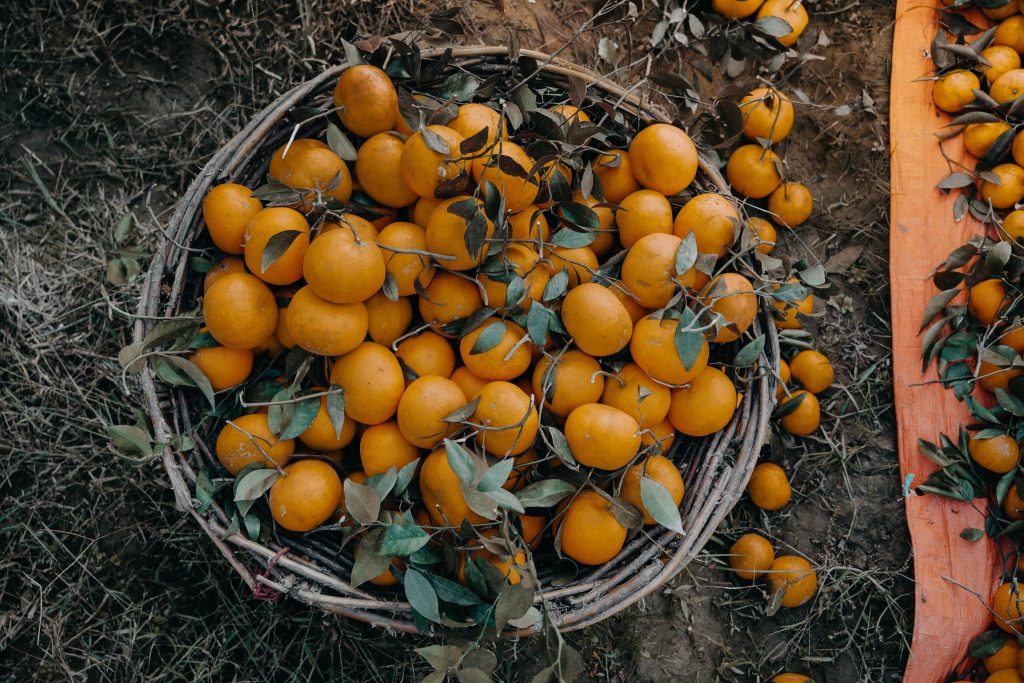
As the colder months approach, staying healthy becomes a priority. Boosting your immune system with vitamin C-rich foods can be a game changer in warding off winter illnesses. Not only do these foods enhance your immunity, but they also deliver delicious taste and vibrant flavors.
Ready to supercharge your winter health? Here are the top seven vitamin C-rich foods that can help keep you feeling your best all season long!
1. Oranges – Best For a Daily Immune Boost
Oranges are the classic go-to for vitamin C. One medium orange packs around 70 mg of this essential vitamin, making it a tasty and refreshing way to fend off winter colds.
Key Features:
- High in fiber and low in calories
- Contains antioxidants that support overall health
- Easy to add to smoothies or enjoy on their own
Pros:
- Widely available and affordable
- Deliciously sweet flavor loved by many
- Can be consumed fresh or in juice form
Cons:
- May not be suitable for those with citrus allergies
- Excessive consumption can lead to stomach discomfort
2. Kiwi – Best For a Nutrient Powerhouse
Not only is kiwi delicious, but it’s also incredibly rich in vitamin C, with one medium kiwi boasting about 71 mg. This small fruit is a powerhouse packed with other nutrients that can help combat illness.
Key Features:
- High in vitamin K and E as well
- Great source of dietary fiber
- Contains folate, beneficial for cell repair
Pros:
- Unique sweet-tart flavor profile
- Versatile for salads, smoothies, or desserts
- Easy to peel and eat on the go
Cons:
- May cause allergies in sensitive individuals
- Available year-round but can be pricey out of season
3. Bell Peppers – Best For Colorful Nutrition
Did you know that bell peppers, especially red ones, are among the richest sources of vitamin C? A single cup of chopped red bell pepper contains about 190 mg of vitamin C—almost double that of an orange!
Key Features:
- Low-calorie and incredibly versatile
- Rich in other antioxidants like carotenoids
- Highly vibrant, adding color to your dishes
Pros:
- Great in salads, dips, or roasted
- Supports healthy vision due to lutein content
- High water content helps with hydration
Cons:
- Can spoil quickly if not stored properly
- Some may dislike the crunchy texture
4. Strawberries – Best For a Sweet Treat
Strawberries aren’t just for desserts. They offer a zesty flavor packed with health benefits, including over 84 mg of vitamin C in just one cup.
Key Features:
- Loaded with antioxidants to combat inflammation
- High in manganese and folate
- Fantastic source of dietary fiber
Pros:
- Deliciously sweet and perfect for snacking
- Versatile for smoothies, salads, or as toppings
- Can be easily frozen for later use
Cons:
- Perishable; needs to be consumed quickly
- May be more expensive when not in season
5. Pineapple – Best For Tropical Flavor
Pineapple provides a delightful burst of flavor while packing a vitamin C punch. One cup of pineapple chunks provides approximately 79 mg of vitamin C, making it a tasty way to support your health.
Key Features:
- Contains bromelain, which aids digestion
- High in manganese, supporting bone health
- Offers anti-inflammatory properties
Pros:
- Refreshing and sweet with a tropical twist
- Can be enjoyed fresh, canned, or juiced
- Supports immune system and digestion
Cons:
- May cause sensitivity in some individuals
- Not suitable for everyone’s palate
6. Guava – Best For Exotic Nutrition
Guava tends to be less common but is one of the richest sources of vitamin C. One guava can contain upwards of 200 mg—more than three times the daily recommended value!
Key Features:
- Rich in dietary fiber and beneficial plant compounds
- Contains vitamin A for eye health
- Offers anti-bacterial properties
Pros:
- Delicious tropical flavor with a unique texture
- Can be eaten raw or used in smoothies
- Low in calories, making it a guilt-free snack
Cons:
- Less widely available in some regions
- May require some preparation to eat
7. Broccoli – Best For a Green Superfood
Broccoli isn’t just a vegetable; it’s a superfood! With about 81 mg of vitamin C per cup when cooked, it’s perfect for adding to winter meals.
Key Features:
- Rich in vitamins K and A as well
- High in fiber and plant compounds
- Supports bone and cardiovascular health
Pros:
- Easy to steam, roast, or include in stir-fries
- Available year-round and budget-friendly
- Promotes healthy digestion due to its high fiber content
Cons:
- Some may have a bitter taste if overcooked
- Can cause gas in some individuals
How to Choose the Best Vitamin C Rich Foods
When selecting vitamin C-rich foods, aim for a colorful variety. Incorporate both fruits and vegetables to maximize your intake and enhance your diet with different flavors and nutrients. Fresh produce typically provides the best vitamin C content, so prioritize whole fruits and veggies over processed options. Lastly, consider seasonal availability for the freshest choices.
#VitaminC #HealthyEating #WinterWellness #ImmuneBoost #NutritionTips #Superfoods #FoodListicle