



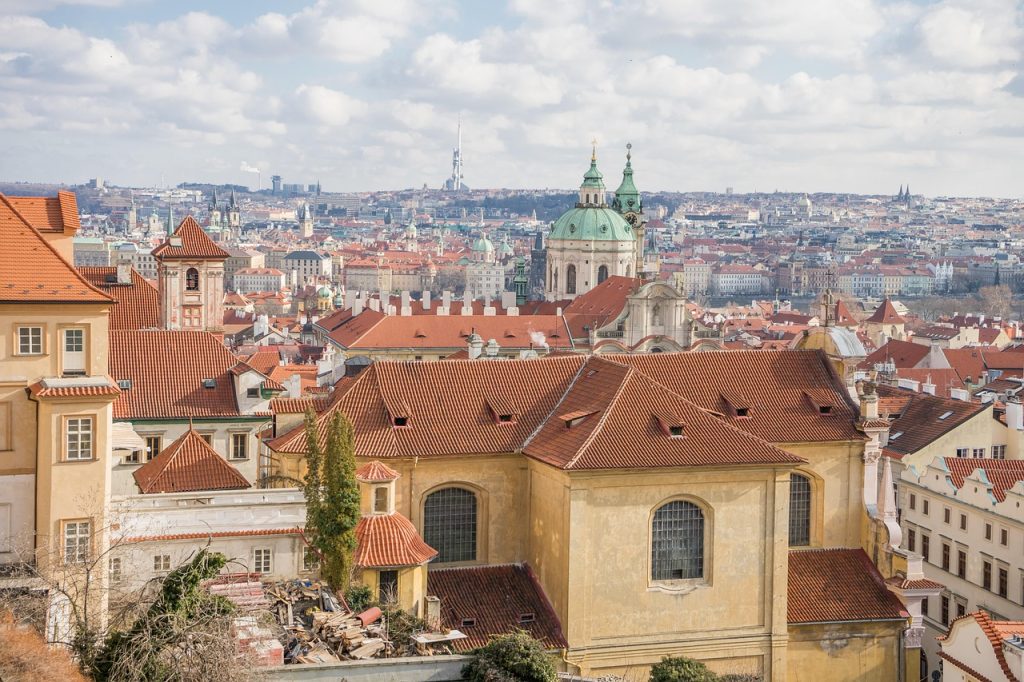
If you’re an architecture enthusiast with a passion for history, exploring capital cities can provide a stunning mix of culture and design. From ancient structures to modern marvels, these cities showcase architectural styles that reflect their unique heritage.
Whether you’re planning a journey or just dreaming from your couch, this curated list highlights the top ten historical capital cities that will captivate any architecture lover. Get ready to be inspired by incredible buildings and rich architectural narratives!
1. Rome, Italy – Best For Timeless Classical Design
Rome is the epitome of historical architecture, boasting a rich tapestry of ancient ruins and stunning Renaissance structures. The city is a living museum where each turn unveils awe-inspiring monuments.
Key Features:
- Home to iconic landmarks like the Colosseum and the Pantheon
- A unique blend of ancient Roman, Renaissance, and Baroque architecture
- Vibrant street life that complements rich historical sites
Pros:
- Rich in history and culture
- Diverse architectural styles to explore
- Accessible public transportation for easy city exploration
Cons:
- Can be crowded with tourists, especially in peak season
- High costs for accommodations
- Some historical sites require paid entry
2. Paris, France – Best For Elegant Romantic Architecture
Paris exudes charm and elegance, showcasing a variety of architectural styles from Gothic to Haussmannian. The city’s intricate designs and memorable skyline attract tourists from around the world.
Key Features:
- Famous structures like the Eiffel Tower and Notre-Dame Cathedral
- Well-preserved historic neighborhoods such as Le Marais
- Strong emphasis on artistic design across buildings
Pros:
- Architectural beauty in every arrondissement
- Cultural attractions alongside architectural sites
- Gorgeous parks and public spaces
Cons:
- Expensive dining and accommodations
- Language barrier for non-French speakers
- Heavy traffic and crowded tourist spots
3. Athens, Greece – Best For Ancient Heritage
As the cradle of Western civilization, Athens offers a plethora of ancient sites fused with modern advancements. The city’s rich history is embodied in its stunning architecture, making it a must-visit.
Key Features:
- Home to the famed Acropolis and Parthenon
- A mix of ancient ruins and contemporary buildings
- Cultural significance dating back thousands of years
Pros:
- Deep historical roots and significant landmarks
- Inviting local culture and cuisine
- Affordable travel options
Cons:
- Can experience extreme heat in the summer
- Some ruins may have accessibility issues
- Tourist areas can be overcrowded
4. Istanbul, Turkey – Best For a Fusion of Cultures
Istanbul bridges Europe and Asia, offering an incredible blend of Byzantine and Ottoman architecture. The city’s unique historical context provides an enriching architectural experience.
Key Features:
- Architectural wonders like Hagia Sophia and the Blue Mosque
- Colorful bazaars and vibrant neighborhoods
- Rich history as former capitals of empires
Pros:
- Stunning mix of cultures and architectural styles
- Vibrant markets and street life
- Incredible culinary scene
Cons:
- Language barriers may arise
- Traffic congestion issues
- Some areas are less well-maintained
5. London, United Kingdom – Best For Diverse Architectural Styles
London’s architecture is as diverse as its population, with buildings that range from medieval to postmodern. The capital has landmarks that tell stories of its rich history and innovation.
Key Features:
- Iconic structures like the Tower of London and The Shard
- Blend of historical and modern architecture
- Cultural landmarks reflecting the city’s evolution
Pros:
- World-renowned cultural institutions and museums
- Extensive public transport network
- Diverse neighborhoods with unique architectural identities
Cons:
- Higher cost of living and travel
- Weather can be unpredictable
- Tourist-heavy attractions in certain areas
6. Prague, Czech Republic – Best For Fairytale Architecture
Prague’s enchanting architecture, from Gothic cathedrals to Baroque palaces, creates a mesmerizing fairytale atmosphere. The city’s charm and beauty make it a top destination for architecture lovers.
Key Features:
- The breathtaking Prague Castle and Charles Bridge
- Preserved medieval architecture
- Rich artistic and cultural heritage
Pros:
- Affordable compared to many Western European cities
- Walkable city with stunning sights at every corner
- Vibrant art scene and festivals
Cons:
- Tourist influx can be overwhelming
- City can feel very commercialized
- Some areas less accessible, particularly for those with mobility issues
7. Mexico City, Mexico – Best For Baroque and Modern Fusion
Mexico City is a vibrant tapestry woven from its tumultuous history, and its architecture reflects this rich narrative. From stunning colonial churches to sleek modernist designs, this city truly has it all.
Key Features:
- The Zócalo, one of the largest public squares in the world
- A mix of ancient Aztec ruins and colonial structures
- Modernist buildings showcasing innovative design
Pros:
- Rich cultural tapestry with various architectural styles
- Exciting culinary experiences
- Wide range of activities for all interests
Cons:
- Air quality issues in some parts of the city
- Potential safety concerns in certain areas
- Traffic congestion can be problematic
8. Vienna, Austria – Best For Imperial Grandeur
Vienna’s imperial history is reflected in its magnificent palaces and stunning buildings. The city is a showcase of Baroque and Classical architecture at its finest.
Key Features:
- The palatial Schönbrunn and Belvedere are must-sees
- Rich musical heritage enhances the architectural experience
- Beautiful historic districts filled with ornate structures
Pros:
- Free cultural events and concerts
- Rich history paired with a vibrant café culture
- Clean and efficient public transport
Cons:
- Can be expensive compared to neighboring countries
- Limited nightlife options for younger travelers
- Language barrier for non-German speakers
9. Lisbon, Portugal – Best For Colorful Maritime Heritage
Lisbon stands out for its unique Azulejos tiles and rich maritime history. The city’s architecture tells tales of exploration and cultural fusion, making it a visual feast.
Key Features:
- The stunning Belem Tower and Jerónimos Monastery
- Streets filled with vibrant colors and tiled facades
- Historic Tram 28 traverses through iconic neighborhoods
Pros:
- Affordable food and accommodations
- Friendly locals and warm climate
- Authentic cultural experiences
Cons:
- Hilliness can be challenging for some
- Potential language barriers for tourists
- Heavy tourist traffic at popular sites
10. Ottawa, Canada – Best For a Blend of Old and New
Ottawa combines beautiful historical structures with modern designs, creating an impressive skyline. As the capital of Canada, it showcases architectural diversity reflective of the country’s heritage.
Key Features:
- The Gothic Revival Parliament Buildings are iconic
- Historic Rideau Canal offers year-round activities
- Modern art galleries and museums complement historical sites
Pros:
- Natural beauty and green spaces throughout the city
- Friendly atmosphere and welcoming community
- Family-friendly events and activities throughout the year
Cons:
- Less vibrant nightlife compared to larger cities
- Cold winters may limit activities
- Limited public transportation options outside urban areas
How to Choose the Right Architectural City for You
When selecting a historical capital city to explore, consider your personal interests in architecture, your budget, and the time of year you plan to visit. Each city has its unique flair and offerings, so choose one that resonates most with your passion for design and history!
#ArchitectureLovers #HistoricalCities #TravelInspiration #CulturalTravel #Wanderlust #CityExploration #ArchitecturalJourney