

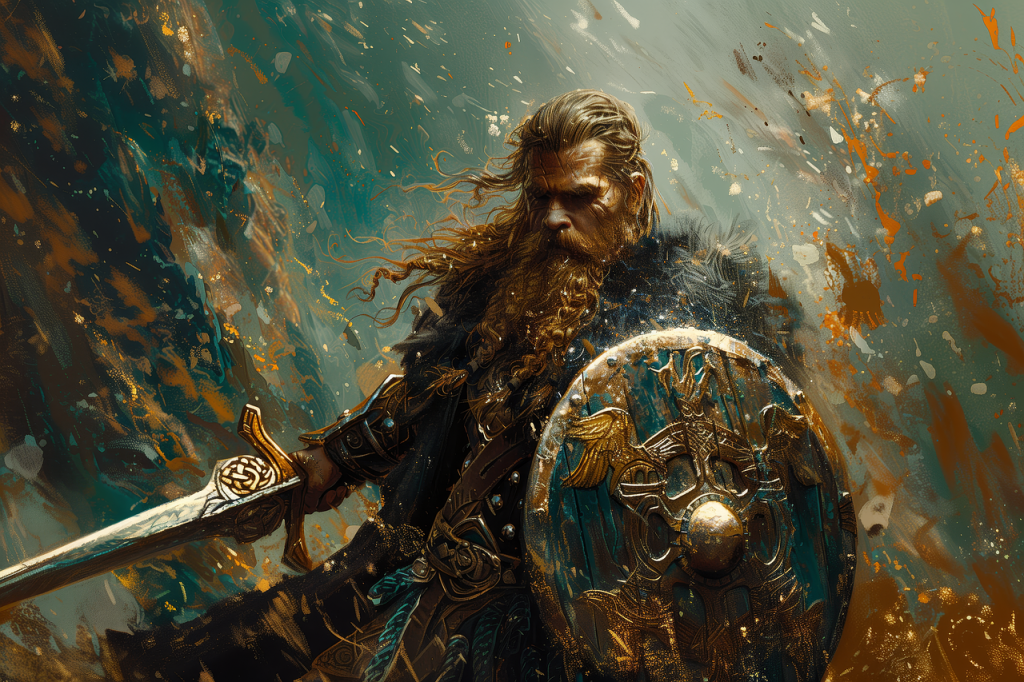
If you’re fascinated by Viking culture and Norse mythology, you’re not alone! These ancient stories are filled with adventure, heroism, and complex characters that have captivated readers for centuries. But where do you start? We’ve compiled a list of the top translation books that bring these sagas to life in English.
Whether you’re a newcomer to Norse literature or a seasoned enthusiast, these seven sagas will deepen your understanding and appreciation of Viking history and mythology. Get ready to embark on a literary journey through the rich tapestry of Norse storytelling!
1. The Prose Edda by Snorri Sturluson – Best For Understanding Norse Mythology
The Prose Edda is essential for anyone interested in the foundations of Norse mythology. Written in the 13th century, it serves as a manual for poets, detailing the gods, giants, and mythical creatures of the Norse pantheon.
Key Features:
- Comprehensive guide to Norse gods and heroes
- Richly detailed narratives
- Insightful commentary from the author
Pros:
- Accessible introduction to Norse mythology
- Highly regarded as a critical historical source
- Engaging storytelling style
Cons:
- Dense historical context might overwhelm beginners
- Complex language in certain translations
2. The Poetic Edda – Best For Authentic Verses
The Poetic Edda is a collection of Old Norse poems that are foundational to understanding Viking mythology. It features tales of creation, the exploits of gods, and legends of heroes, all in their original poetic form.
Key Features:
- Includes the original verse and English translations
- Wide range of themes from creation to heroism
- Various interpretative translations available
Pros:
- Captivating poetic language that retains its original beauty
- Presents a deep dive into Norse legends
- Offers unique insights into Viking culture
Cons:
- May require some background knowledge of Norse concepts
- Some translations vary in quality
3. The Saga of the Volsungs – Best For Epic Heroic Tales
This saga is one of the most famous Norse tales, chronicling the lineage of the legendary hero Sigurd. It is filled with themes of fate, love, and betrayal, making it a timeless epic worthy of modern retellings.
Key Features:
- Engaging narrative structure
- Depicts heroic feats and tragic flaws
- Focuses on profound issues such as destiny
Pros:
- Rich in cultural significance
- Proto-form of many modern fantasy stories
- Powerful character development
Cons:
- Heavy themes may not suit every reader
- Can be complex due to its epic nature
4. The Saga of Grettir the Strong – Best For Intriguing Characters
Known for its strong character development, this saga follows Grettir, a heroic outlaw, and his struggles against both human and supernatural foes. It blends adventure with psychological depth.
Key Features:
- Intriguing mix of action and introspection
- Reflective of Viking societal values
- Rich character arcs and moral struggles
Pros:
- Engages readers with relatable themes
- Provides a unique perspective on heroism
- Illustrates Viking laws and customs
Cons:
- Pacing may lag in sections
- Complex names and places may confuse some
5. The Saga of Eric the Red – Best For Adventure Lovers
This saga recounts the adventurous life of Eric the Red, the founder of Greenland, and his son Leif Erikson, who is thought to be the first European to reach North America. It’s perfect for those who love tales of exploration.
Key Features:
- Engaging tales of exploration and adventure
- Detailed accounts of Viking settlements
- Historical context of the Viking Age
Pros:
- Captivating narratives about voyages
- Illustrates Viking seafaring skills
- Rich historical background
Cons:
- May require patience for historical details
- Less character development compared to other sagas
6. The Tale of Ragnar’s Sons – Best For Family Drama
This saga narrates the story of Ragnar Lothbrok and his sons, focusing on their quests and rivalries. It’s a perfect mix of family drama, honor, and revenge, showcasing the complexities of Viking life and kinship.
Key Features:
- Fascinating study of family dynamics
- Richly woven narratives of rivalry
- Explores themes of honor and legacy
Pros:
- Relatable family themes
- Contains thrilling battle scenes
- Widely influential on modern media
Cons:
- Some readers may find it convoluted
- Requires attention to understand the lineage
7. The Saga of the Jomsvikings – Best For Warfare Enthusiasts
This saga glorifies the legendary Jomsvikings, a brotherhood of mercenary warriors. It’s packed with thrilling tales of warfare, camaraderie, and the code of honor that governed their lives.
Key Features:
- Concentrated themes of brotherhood and loyalty
- Vivid descriptions of battles and strategies
- Highlights Viking martial culture
Pros:
- Exciting and fast-paced narrative
- Deep insights into warrior culture
- Captures the thrill of Viking warfare
Cons:
- May appeal less to those interested in myths over history
- Complex relationships among characters
How to Choose the Right Saga for You
When selecting a saga, consider what aspects you’re most interested in. Are you drawn to myths, heroic tales, or real historical accounts? Also, check the translation quality and accompanying commentary to enhance your reading experience. Take your time to explore different themes, and enjoy the rich narratives Viking literature has to offer!
#NorseMythology #VikingSagas #ReadingList #BookRecommendations #EpicTales #CulturalExploration #LiteraryAdventure #VikingHistory