



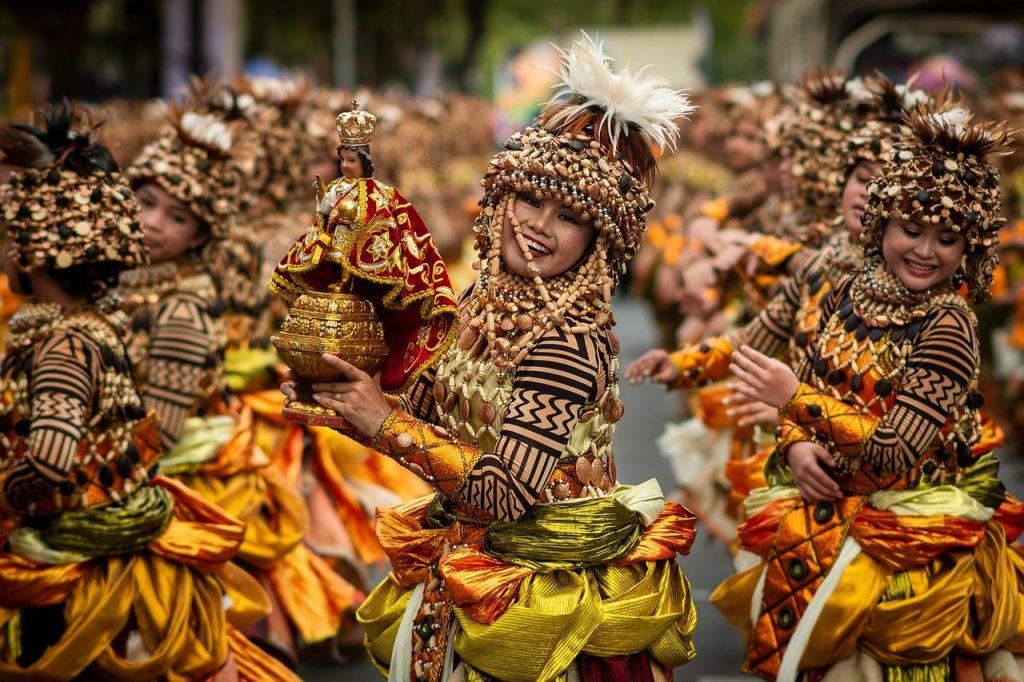
As the clock strikes midnight on December 31st, cultures around the world engage in unique rituals to welcome the New Year. From firework displays to family feasts, these traditions encapsulate hope, love, and the promise of fresh beginnings. Dive into this exciting list of New Year celebrations that showcases the rich tapestry of global customs.
Discover how different countries celebrate this universal moment, and get inspired to incorporate some of their rituals into your own New Year festivities!
1. Hogmanay – Scotland’s Toast to the New Year
In Scotland, Hogmanay is the ultimate New Year celebration filled with traditions including the first-footing, where the first visitor brings luck. People gather for street parties, fireworks, and traditional Scottish music to ring in the New Year.
Key Features:
- Fireworks and street parties
- First-footing tradition
- Scottish music and dance
Pros:
- Rich cultural heritage
- Festive community atmosphere
- Exciting outdoor activities
Cons:
- Cold winter weather
- Crowds can be overwhelming
- Potential for drunken revelry
2. New Year’s Eve Fireworks – Sydney, Australia
Sydney welcomes the New Year with one of the most spectacular fireworks displays in the world at the Sydney Harbour Bridge. Millions gather to enjoy the view, making it a must-see event.
Key Features:
- Iconic fireworks over the harbour
- Various entertainment events happening
- Family-friendly celebrations
Pros:
- Stunning visual spectacle
- Vibrant atmosphere
- Culturally diverse festivities
Cons:
- Heavy traffic and crowds
- Limited viewing spots
- Weather can be unpredictable
3. La Fête de la Saint-Sylvestre – France’s Culinary Celebration
In France, the New Year is celebrated with gourmet dinners that often include luxurious dishes, champagne, and plenty of desserts. Gatherings with family and friends are common as they indulge in culinary delights.
Key Features:
- Gourmet meals and champagne
- Family and friend gatherings
- Rich culinary traditions
Pros:
- Delicious food and drink
- Intimate celebrations
- Culture of culinary artistry
Cons:
- High costs for dining out
- Can be exclusive
- Need for advanced reservations
4. New Year’s Lantern Festival – Taiwan
In Taiwan, the Lantern Festival marks the end of the Chinese New Year celebrations, featuring beautiful lanterns that are released into the sky. It symbolizes the release of the past and welcoming a new future.
Key Features:
- Colorful sky lanterns
- Traditional performances
- Family-oriented activities
Pros:
- Visually stunning experience
- Rich cultural traditions
- Community involvement
Cons:
- Can be crowded
- Weather-dependent activities
- Requires preparation for participation
5. New Year’s Eve Ball Drop – USA
The iconic ball drop in Times Square, New York City, is known worldwide. This massive event attracts thousands of visitors who countdown together as the glittering ball descends on New Year’s Eve.
Key Features:
- Cultural landmark event
- Live performances
- Countdown to midnight
Pros:
- Electric atmosphere
- World-famous tradition
- Opportunity to meet people
Cons:
- Extreme weather conditions
- Long wait times
- Crowds can be daunting
6. Día de los Reyes – Spain’s Kings Day Celebration
In Spain, the arrival of the Three Kings on January 6th signifies the end of the Christmas season with parades, parties, and a traditional cake called Roscón de Reyes, which brings good luck.
Key Features:
- Grand parades and festivities
- Special King’s cake
- Family gatherings
Pros:
- Cultural representation
- Delicious traditional food
- Fun for families
Cons:
- Holiday can be commercialized
- Parades can attract large crowds
- Not widely recognized outside of Spain
7. Shogatsu – Japan’s Traditional New Year
Shogatsu consists of several days of cultural rituals, including visiting shrines, eating special delicacies, and performing traditional ceremonies that convey hope for the New Year.
Key Features:
- Visiting Shinto shrines
- Traditional New Year’s foods
- Decorative ornaments
Pros:
- Rich spiritual experience
- Beautiful aesthetics
- Focus on family and community
Cons:
- May be less engaging for newcomers
- Can be pricey due to travel
- Seasonal closures of businesses
8. New Year Celebrations with Fire – Brazil
In Brazil, people celebrate New Year’s Eve by dressing in white and jumping over seven waves for good luck. They also make offerings to the sea goddess, Yemanja, symbolizing a fresh start.
Key Features:
- Traditional dress code
- Jumping waves for good luck
- Festive beach parties
Pros:
- Warm, festive environment
- Engaging cultural practices
- Major party atmosphere
Cons:
- Public safety concerns
- A lot of preparation needed
- Interaction with the ocean can be risky
9. New Year Bonfires – Germany
In Germany, the New Year is welcomed with fireworks and the tradition of bonfires in many regions. The celebrations symbolize warmth and the act of letting go of the past year’s worries.
Key Features:
- Fireworks at midnight
- Community bonfires
- Traditional New Year’s foods
Pros:
- Community spirit
- Unique ambiance
- Symbol of renewal
Cons:
- Fire safety issues
- Noise can be disturbing
- Weather may be harsh
10. Chao New Year – Vietnam’s Tet Festival
Vietnam’s Tet Festival marks the Lunar New Year with family reunions, special foods, and various activities. This time of renewal emphasizes family ties and honoring ancestors.
Key Features:
- Family reunions and feasting
- Traditional Tet decorations
- Paying respect to ancestors
Pros:
- Cultural significance
- Opulent celebrations
- Delicious traditional cuisine
Cons:
- Can be very busy
- Traveling can be difficult during this period
- Limited business operations
How to Choose Your Own New Year Rituals
When considering which New Year rituals to incorporate into your celebrations, think about what resonates most with you and your family. Can you adapt a cultural tradition that aligns with your values or interests? Remember, the best rituals combine joy, community, and hope for the upcoming year!
#NewYearCelebrations #CulturalTraditions #GlobalFestivities #NewYearRituals #CelebrateDiversity