



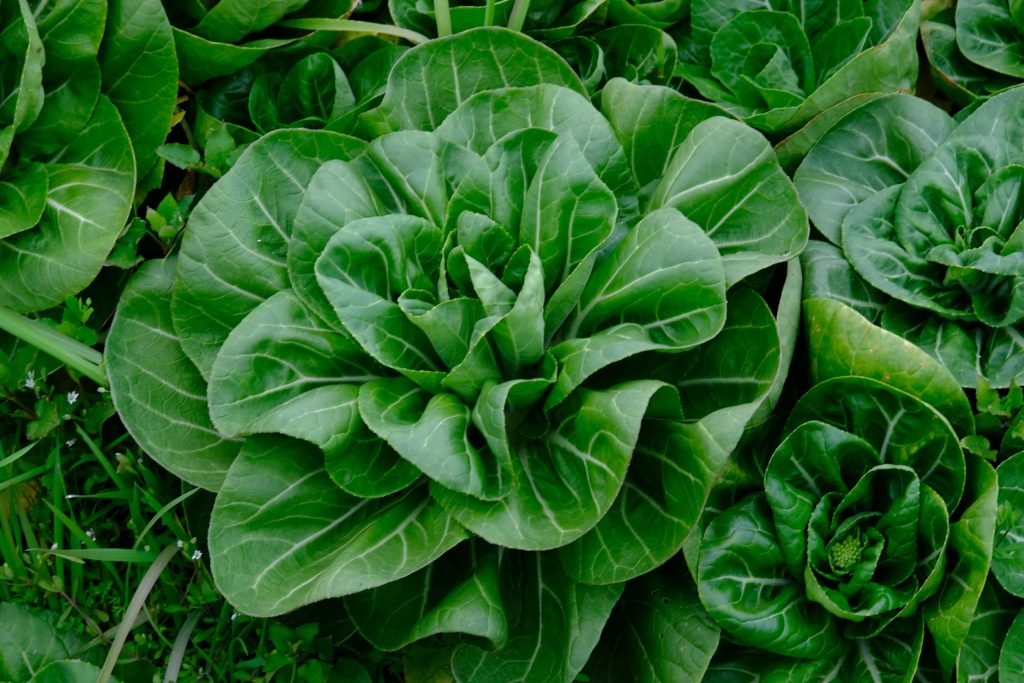
Spring is the perfect season to explore the great outdoors and discover a bounty of wild greens. Foraging not only connects you with nature but also provides fresh, nutritious ingredients for your meals. However, foraging comes with its challenges—knowing what to pick and how to do it safely is essential. Dive into these top spring foraging practices to enhance your foraging skills and enjoy the freshest greens nature has to offer!
From identifying edible species to understanding sustainable harvesting techniques, these practices will help you confidently navigate your foraging adventures. Let’s get started!
1. Know Your Greens – Best For Identification Skills
Being able to accurately identify wild greens is the cornerstone of successful foraging. Always prioritize learning about edible plants in your area from credible sources.
Key Features:
- Use plant identification apps for quick reference.
- Study local foraging guides and books.
- Join foraging groups for shared knowledge and tips.
Pros:
- Boosts confidence in foraging.
- Reduces the risk of poisonous plant consumption.
- Builds a deeper connection with nature.
Cons:
- Learning can be time-consuming.
- Not all apps are reliable.
- Some plants may look very similar to non-edible counterparts.
2. Harvest Responsibly – Best For Sustainability
Practicing responsible harvesting ensures that wild greens can continue to thrive year after year. It’s critical to leave enough of the plant behind to regenerate.
Key Features:
- Only take what you need.
- Leave at least one-third of the plant intact.
- Follow local regulations for wild harvesting.
Pros:
- Supports ecosystem health.
- Encourages biodiversity.
- Fosters long-term foraging opportunities.
Cons:
- May limit the quantity collected.
- Requires knowledge of local laws.
- Can be challenging in dense fields.
3. Understand Seasonal Availability – Best For Timing Your Forage
Wild greens may have specific seasons and peak times for harvesting. Knowing when to forage increases your chances of finding the freshest and tastiest options.
Key Features:
- Research fruiting and flowering times for different greens.
- Keep a foraging calendar for local plants.
- Watch for climate impacts on growth rates.
Pros:
- Maximizes the foraging experience.
- Ensures quality ingredients.
- Enhances cooking versatility with seasonal cooking.
Cons:
- Requires continuous learning as seasons change.
- Sometimes, timing can be unpredictable.
- Certain plants may only be available briefly.
4. Use the Right Tools – Best For Efficient Foraging
Having the right tools can significantly enhance your foraging experience, making it easier to collect and store what you harvest.
Key Features:
- Carry a lightweight foraging basket.
- Use field knives for safe cutting.
- Opt for gloves if handling thorny plants.
Pros:
- Reduces harvesting time.
- Improves safety while foraging.
- Makes transportation of greens easier.
Cons:
- Initial investment in tools may be required.
- Extra weight can be cumbersome.
- Need to remember to pack all essential tools.
5. Practice Ethical Foraging – Best For Respecting Nature
Ethical foraging goes beyond sustainability; it involves respecting local habitats and the communities that depend on them. Practicing ethical foraging shows you care for nature and want to preserve it for future generations.
Key Features:
- Educate yourself on local flora and fauna.
- Avoid foraging in protected areas.
- Be mindful of wildlife and their habitats.
Pros:
- Contributes to conservation efforts.
- Promotes a positive foraging culture.
- Builds community goodwill.
Cons:
- May limit where you can forage.
- Requires awareness of local issues.
- Challenging to fully understand ecological impacts.
6. Enjoy and Experiment – Best For Culinary Inspiration
Finally, the essence of foraging is to enjoy your finds! Experimenting with the wild greens you gather can lead to new and delicious meals.
Key Features:
- Test different cooking methods.
- Incorporate wild greens into various cuisines.
- Share your dishes and experiences with others.
Pros:
- Encourages creativity in the kitchen.
- Enhances knowledge of flavors.
- Provides a sense of accomplishment.
Cons:
- Not all combinations will be successful.
- Requires knowledge of safe cooking methods.
- May involve trial and error.
How to Choose
When embarking on your foraging journey, consider the environment you’ll be in, the plants you’re interested in, and your knowledge level. Start with easy-to-identify plants and gradually expand your skills. Always prioritize safety and sustainability for a rewarding experience.
#foraging #wildgreens #edibleplants #springforaging #sustainableeating #naturelovers #wildfood #homemade