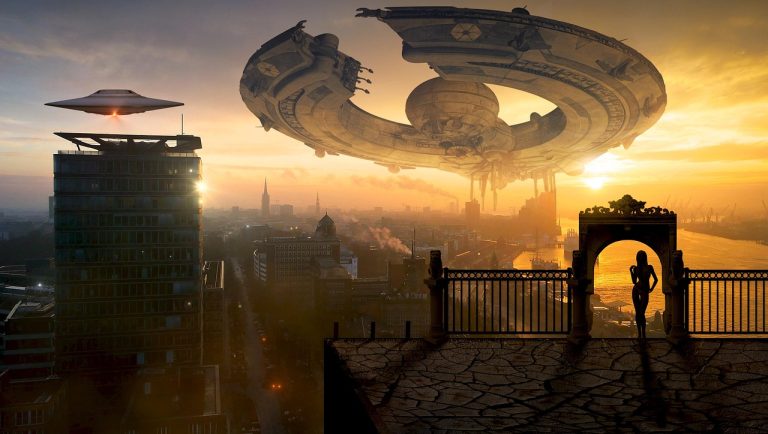

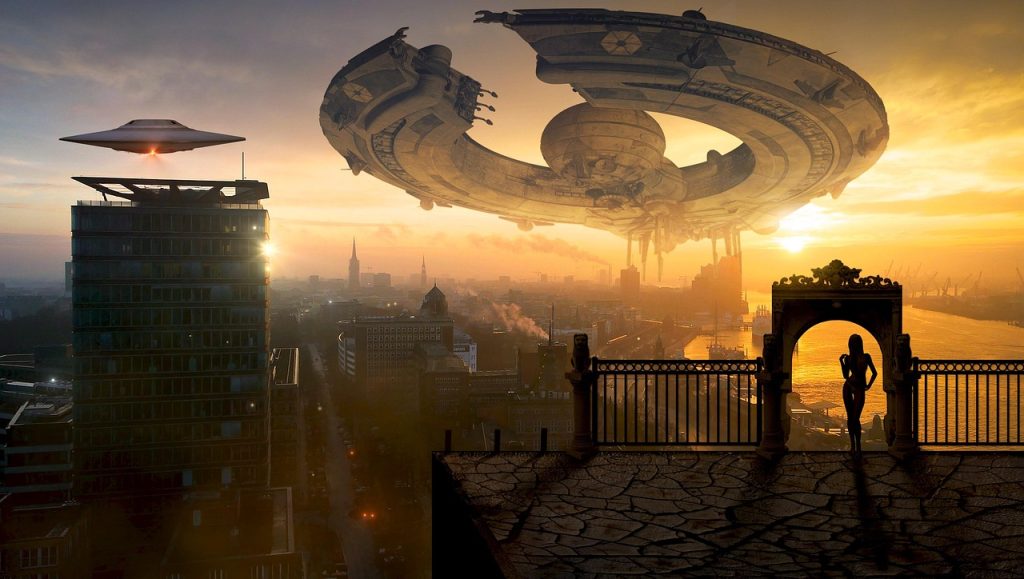
Dystopian fiction serves as a powerful mirror reflecting our society’s most pressing issues and potential futures. These books don’t just entertain; they encourage us to consider the consequences of our social and political actions. Dive into these compelling novels that illuminate the cracks in our civilization and urge us to rethink our paths forward.
If you’re searching for gripping narratives that blend cautionary tales with magnificent storytelling, look no further! Here’s a curated list of the 10 best dystopian future fiction books that are sure to make you think.
1. “1984” by George Orwell – Best For Understanding Totalitarianism
This classic is a chilling exploration of a totalitarian regime where surveillance and suppression run rampant. Orwell’s depiction of life under constant watch resonates in today’s digital age.
Key Features:
- Explores themes of surveillance, government control, and individualism.
- Iconic terms like “Big Brother” and “Newspeak” remain relevant.
- Offers profound critiques of political authority and propaganda.
Pros:
- Timeless relevance and powerful storytelling.
- Richly developed characters and world-building.
- Provokes thought on freedom and privacy.
Cons:
- Dense writing style may be challenging for some readers.
- Futuristic predictions may feel overwhelmingly grim.
2. “The Handmaid’s Tale” by Margaret Atwood – Best For Examining Gender Issues
Atwood’s tale paints a dystopian future where women are stripped of their rights. This powerful narrative raises questions about gender equality and the potential darkness of fundamentalism.
Key Features:
- Highlights women’s rights and autonomy.
- Captivating prose imbued with a blend of hope and despair.
- Inspires conversations about societal roles and moral dilemmas.
Pros:
- Strong, complex female protagonist.
- Rich symbolism and thematic depth.
- Remarkably prescient about current societal trends.
Cons:
- Some readers may find it uncomfortable or distressing.
- Pacing can be slow at times.
3. “Fahrenheit 451” by Ray Bradbury – Best For Advocating Intellectual Freedom
In this imaginative narrative, books are banned, and “firemen” burn any that remain. Bradbury’s exploration of censorship remains frightfully relevant in today’s age of information overload.
Key Features:
- Examines the importance of literature and free thought.
- Intense portrayal of a future dominated by entertainment and apathy.
- Encourages readers to contemplate the role of media in society.
Pros:
- Engaging and fast-paced storytelling.
- Richly imaginative concepts and thought-provoking themes.
- Short but impactful, perfect for quick reads.
Cons:
- Some plot points feel unresolved.
- Characters may lack depth for certain readers.
4. “Brave New World” by Aldous Huxley – Best For Critiquing Consumerism
Huxley presents a vision of a future defined by extreme consumerism and technological control. This novel challenges readers to reflect on the trade-offs of comfort and conformity.
Key Features:
- Explores the impact of technology on human behavior.
- Presents a society where happiness is prioritized over individuality.
- Intriguingly parallels modern issues of excess and desensitization.
Pros:
- Provocative themes and rich philosophical musings.
- Insightful characterization and world development.
- Timeless in its relevance to contemporary society.
Cons:
- Complex language can be challenging for some readers.
- Heavy thematic content may not appeal to everyone.
5. “The Road” by Cormac McCarthy – Best For Emotional Resilience
This haunting tale of a father and son navigating a post-apocalyptic world is a testament to human endurance and love amidst chaos. McCarthy’s stark prose amplifies the emotional weight of survival.
Key Features:
- Explores themes of hope, despair, and the bond of family.
- Meditates on the nature of humanity after civilization falls.
- Engrossing minimalistic writing style.
Pros:
- Richly drawn emotional experience.
- Unforgettable imagery and atmosphere.
- Provokes deep reflections on survival and morality.
Cons:
- Slow pacing may alienate some readers.
- Sparse dialogue can feel detached.
6. “The Hunger Games” by Suzanne Collins – Best For Engaging Young Adult Readers
This action-packed series portrays a future where children must fight to the death for entertainment. Collins intertwines adventure with important themes of inequality and resistance.
Key Features:
- Combines survival elements with strong social critique.
- Prominent themes of inequality and rebellion.
- Fast-paced and gripping narrative for younger audiences.
Pros:
- Relatable and courageous protagonist.
- High-stakes scenarios keep readers engaged.
- Inspires discussions around societal issues.
Cons:
- Some character choices may seem unrealistic.
- The love triangle subplot can feel clichéd.
7. “Snow Crash” by Neal Stephenson – Best For Its Cyberpunk Vision
In this fast-paced novel, the boundaries between reality and virtual reality blur. Stephenson imagines a future driven by technology and economics, making it a must-read for tech enthusiasts.
Key Features:
- Enriched cyberpunk aesthetic and culture.
- Engaging blend of action, humor, and philosophy.
- Examines the influence of virtual reality on society.
Pros:
- Dynamic world-building with vibrant characters.
- Original exploration of language and its power.
- Fast-paced narrative keeps readers hooked.
Cons:
- Some may find it overly technical or convoluted.
- Characters’ depth may vary throughout the narrative.
8. “Divergent” by Veronica Roth – Best For Exploring Identity and Conformity
This thrilling series takes place in a future divided by factions based on personality traits. Roth’s exploration of identity and choice captivates readers and ignites questions about conformity.
Key Features:
- Delivers an energetic plot with a strong female lead.
- Social divisions serve as a framework for character development.
- Themes of free will and identity are prominently featured.
Pros:
- Fast-paced action maintains reader interest.
- Strong emotional arcs for the protagonist.
- Encourages discussions on societal norms and individuality.
Cons:
- Critiques of the society may feel too obvious to some.
- Ending lacks resolution for certain plotlines.
9. “Station Eleven” by Emily St. John Mandel – Best For Reflecting on Humanity’s Resilience
This haunting novel explores life after a pandemic wipes out most of humanity. Mandel crafts a lyrical narrative that intertwines past and present, celebrating the arts amidst devastation.
Key Features:
- Weaves together multiple character arcs throughout time.
- Elaborates on the importance of art and memory.
- Engages with themes of survival and human connection.
Pros:
- Beautifully written with profound insights.
- Intricately developed characters.
- Delivers a message of hope amidst despair.
Cons:
- Pacing may be slow for those seeking constant action.
- Narrative structure might confuse some readers.
10. “The Power” by Naomi Alderman – Best For A Gender-Reversal Perspective
In a world where women develop the power to emit electric shocks, Alderman challenges existing power dynamics and explores themes of gender and control in an engaging, thought-provoking manner.
Key Features:
- Flips traditional gender roles, leading to intriguing scenarios.
- Explores the consequences of power on individuals and society.
- Timely themes of feminism and social justice.
Pros:
- Engaging, fast-paced storyline.
- Challenging thought-provoking concepts.
- Dynamic characters across diverse perspectives.
Cons:
- Some may find its premise far-fetched.
- Critiques may be too blunt for certain readers.
How to Choose Your Next Dystopian Fiction Read
When selecting a dystopian fiction book, consider your personal interests and the themes that resonate with you most. Are you curious about technology’s impact? Or do social issues fascinate you? Look for books that offer diverse perspectives while igniting discussion. Whether you’re in the mood for emotional depth, thrilling adventure, or a chilling take on the future, there’s something on this list for everyone!
#DystopianFiction #BookRecommendations #LiteraryFiction #MustReadBooks #SocialCritique #FutureLiterature #PandemicReads #EmpowermentInLiterature