


Are you tired of slow internet speeds while gaming, streaming, or working from home? The quality of your Ethernet cable plays a significant role in your network’s performance. Choosing the right category can mean the difference between fast, reliable connectivity and frustrating lag.
In this listicle, we’ll explore the best Ethernet cable categories that ensure maximum speed transfer, helping you optimize your internet experience. Whether you’re a casual user or a tech enthusiast, there’s an option here for you!
1. Cat 5e – Best For Budget-Friendly Performance
Cat 5e cables are an excellent choice for those who need reliable performance without breaking the bank. Designed to support speeds up to 1 Gbps for distances up to 100 meters, this category is perfect for basic home networking.
Key Features:
- Supports speeds of up to 1 Gbps
- Frequency up to 100 MHz
- Reduces interference for better data integrity
Pros:
- Cost-effective option
- Widely available
- Backward compatible with Cat 5
Cons:
- Limited to 1 Gbps speeds
- Not suitable for high-performance gaming
2. Cat 6 – Best For High-Speed Internet
Cat 6 cables take performance up a notch, supporting speeds up to 10 Gbps over short distances. They’re perfect for gaming, streaming, or any activity requiring high bandwidth.
Key Features:
- Supports speeds of up to 10 Gbps up to 55 meters
- Frequency up to 250 MHz
- Improved insulation and shielding
Pros:
- High-speed performance
- Great for modern home networks
- Less crosstalk compared to older versions
Cons:
- More expensive than Cat 5e
- Can be bulkier due to shielding
3. Cat 6a – Best For Future-Proofing Your Network
If you’re looking to invest in a cable that will last, Cat 6a is an excellent choice. Offering double the performance of Cat 6, it supports 10 Gbps speeds over distances of up to 100 meters, making it ideal for data-heavy applications.
Key Features:
- Supports 10 Gbps speeds over 100 meters
- Frequency up to 500 MHz
- Enhanced shielding to prevent interference
Pros:
- Excellent performance for high-traffic networks
- Great for online gaming and streaming
- Robust construction
Cons:
- Higher cost
- Less flexible than other categories
4. Cat 7 – Best For Data Centers and Enterprises
Designed for high-speed, high-bandwidth usage, Cat 7 cables support speeds of up to 10 Gbps and are extensively used in data centers. Their advanced shielding makes them ideal for commercial applications.
Key Features:
- Supports 10 Gbps speeds over 100 meters
- Frequency up to 600 MHz
- Advanced shielding technology
Pros:
- Superior performance in high-interference environments
- Ideal for professional setups
- Highly durable
Cons:
- Very expensive
- Overkill for regular household use
5. Cat 8 – Best For Ultra-Fast Networking
For the most demanding users, Cat 8 cables deliver blazing speeds of up to 25-40 Gbps over short distances. Ideal for server farms and advanced gaming setups, they represent the pinnacle of Ethernet technology.
Key Features:
- Supports speeds of 25-40 Gbps over 30 meters
- Frequency up to 2000 MHz
- Heavy shielding for maximum interference reduction
Pros:
- Unmatched speed and performance
- Future-proof for high-demand applications
- Great for enterprises and serious gamers
Cons:
- Very high cost
- Not necessary for basic home use
6. Shielded Twisted Pair (STP) – Best For High-Risk Interference Areas
STP cables are designed specifically to minimize interference in environments with high electromagnetic noise, making them suitable for industrial or densely populated areas.
Key Features:
- Extra shielding to reduce crosstalk
- Supports various Ethernet standards
- Maximizes performance even in challenging environments
Pros:
- Highly effective in interference-heavy situations
- Robust and durable
- Versatile applications
Cons:
- More costly than unshielded cables
- Less flexible and harder to install
7. Unshielded Twisted Pair (UTP) – Best For General Use
UTP cables are the most common type of Ethernet cable. They provide a good balance of cost, flexibility, and performance, making them suitable for most household and office networking needs.
Key Features:
- Lightweight and flexible
- Cost-effective for everyday use
- Supports various Ethernet categories
Pros:
- Affordable and widely available
- Easy to install
- Ideal for home networks
Cons:
- Less protective against interference
- May not support high-speed needs
8. Fiber Optic Cables – Best For Maximum Speed and Distance
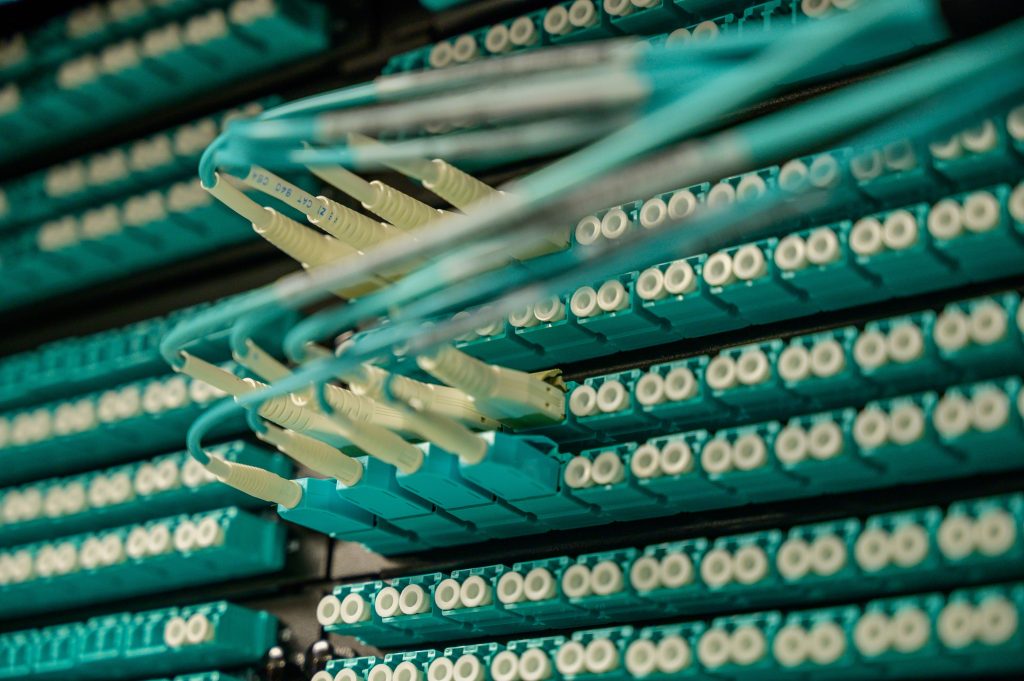
Though not categorized like traditional Ethernet cables, fiber optic cables offer unmatched speed and distance capabilities. They transmit data as light signals, allowing for incredibly high transfer rates over long distances.
Key Features:
- Supports speeds exceeding 100 Gbps
- Capable of spanning several kilometers
- Eliminates electromagnetic interference
Pros:
- Unbeatable speed and bandwidth
- Long-distance data transfer without signal loss
- Highly secure data transmission
Cons:
- Higher installation complexity
- More costly than copper cables
How to Choose the Right Ethernet Cable
When selecting an Ethernet cable, consider your specific needs in terms of speed, distance, and the environment where you’ll be using the cable. For home use, Cat 5e or Cat 6 cables are often sufficient. If you require ultra-fast speeds and have a complex setup, consider investing in Cat 6a, Cat 7, or Cat 8. Additionally, assess whether you need shielded cables based on potential interference in your area.
#EthernetCables #Networking #HomeNetworking #InternetSpeed #TechTips #Gadgets #SmartHome #SpeedUpgrade