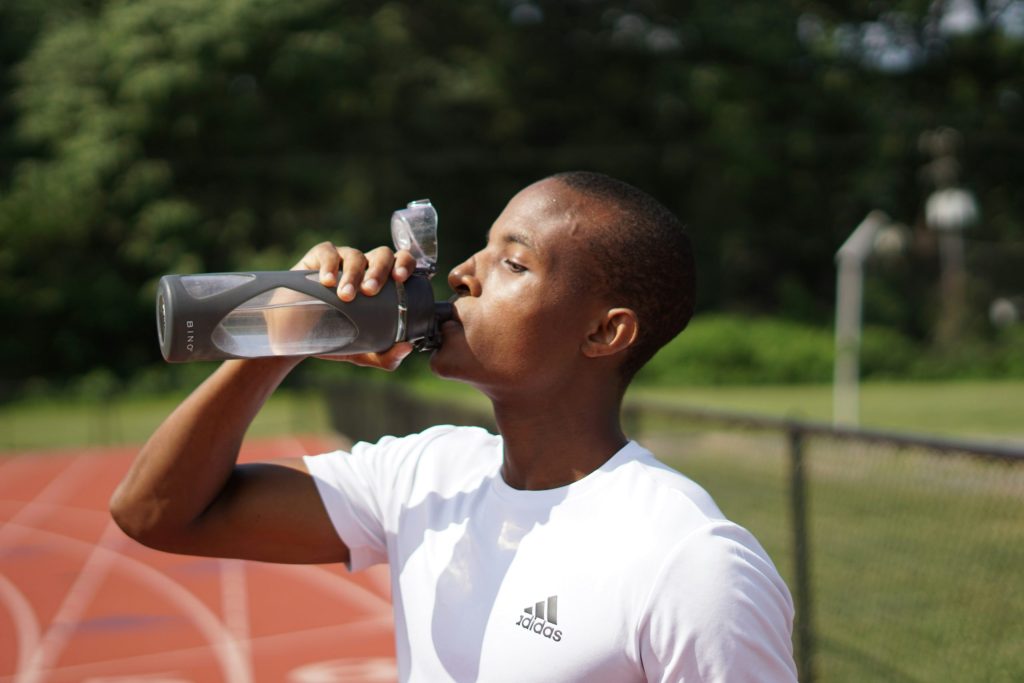
Staying hydrated is crucial for maximizing performance during active fitness days. Whether you’re hitting the gym, going for a run, or participating in a sports event, understanding the best hydration strategies can make all the difference. This guide covers the top tips to keep your hydration levels optimal, ensuring you stay energized and focused.
From smart timing of your fluid intake to utilizing electrolyte-rich drinks, we’ve compiled essential hydration strategies designed to enhance your fitness experience. Let’s dive into these key hydration tactics!
1. Start Before You Sweat – Best for Preparing Your Body
Kickstart your hydration regimen by drinking water before your workout. This prepares your body for physical exertion and helps regulate your temperature.
Key Features:
- Hydrates muscles before starting any activity
- Improves blood circulation
- Prevents dehydration during exercise
Pros:
- Enhances overall performance
- Reduces risk of heat exhaustion
- Improves focus and endurance
Cons:
- Requires discipline to remember
- May lead to frequent bathroom breaks
2. Use Electrolyte Drinks – Best for Intense Workouts
For prolonged or intense exercise sessions, electrolyte drinks provide a great boost. They replenish vital minerals lost through sweat, ensuring your body functions optimally.
Key Features:
- Contains sodium, potassium, and magnesium
- Replenishes lost fluids quickly
- Improves hydration efficiency
Pros:
- Prevents muscle cramps
- Restores energy quickly
- Tastes refreshing and appetizing
Cons:
- Can contain high sugar levels
- May cause digestive discomfort if consumed in excess
3. Hydrate During Your Workout – Best for Continual Energy
Drinking water regularly during your workout helps maintain hydration levels. Aim for sips every 15-20 minutes based on the intensity and duration of your activity.
Key Features:
- Consistent hydration throughout your workout
- Aids in energy maintenance
- Supports joint and muscle function
Pros:
- Improves performance throughout exercise
- Reduces post-workout fatigue
- Cools the body effectively
Cons:
- May disrupt focus if too much water is consumed
- Potential for bloating when overhydrated
4. Monitor Your Urine Color – Best for Quick Assessments
A quick and effective way to gauge hydration level is checking your urine color. Aim for light, straw-colored urine as an indicator of good hydration.
Key Features:
- Easy and straightforward method
- Immediate feedback on hydration status
- No special equipment required
Pros:
- Painless and quick assessment
- Can be done any time
- Provides real-time hydration guidance
Cons:
- Food coloring may affect results
- Dehydration signs can vary
5. Incorporate Hydrating Foods – Best for Nutritional Hydration
Integrating foods with high water content, such as fruits and vegetables, can aid in hydration. This method provides additional nutrients, making it a healthy choice.
Key Features:
- Contains natural water and electrolytes
- Offers vitamins and minerals
- Makes hydration tasty and enjoyable
Pros:
- Boosts overall nutrition
- Keeps you feeling fuller
- Helps maintain energy levels
Cons:
- May not provide enough hydration alone
- Preparation can be time-consuming
6. Set Reminders to Drink – Best for Consistency
In our busy lives, it’s easy to forget to hydrate. Setting reminders on your phone or using hydration apps can help you establish a routine for drinking water.
Key Features:
- Enhances awareness of hydration needs
- Encourages consistency
- Can be easily customized
Pros:
- Promotes healthy habits
- Reduces chances of dehydration
- Simple to implement
Cons:
- May be inconvenient for some
- Requires technology or manual tracking
7. Chill Your Water – Best for Refreshing Hydration
Cold water is often more refreshing, making it more appealing to drink. Chilling your water before workouts can encourage you to hydrate more often.
Key Features:
- Enhances taste and refreshment
- Encourages higher fluid intake
- Helps cool down the body temperature
Pros:
- Stimulates thirst
- Makes hydration enjoyable
- Ideal for hot weather workouts
Cons:
- Some may prefer room temperature
- Chilling takes time and resources
8. Post-Workout Rehydration – Best for Recovery
Don’t forget to hydrate after your workout! Replenishing lost fluids post-exercise is essential for recovery and to restore your body’s hydration balance.
Key Features:
- Restores fluids lost during exercise
- Helps in muscle recovery
- Prevents delayed onset muscle soreness (DOMS)
Pros:
- Supports rapid recovery
- Enhances muscle function
- Reduces fatigue after exercise
Cons:
- Requires planning to ensure proper intake
- Could lead to overconsumption if ignored
How to Choose the Right Hydration Strategy
Choosing the best hydration strategies for your active fitness days depends on factors like workout intensity, duration, and personal preferences. Be mindful of your body’s signals and adapt your hydration approach as necessary. Experiment with different methods to determine what works best for you, whether it’s timing your water intake, using electrolyte drinks, or incorporating hydrating foods into your diet.
#HydrationStrategies #FitnessHydration #ActiveLifestyle #HealthyLiving #FitnessTips #HydrationChallenge #WorkoutRecovery #FitnessGoals