



Are you looking to elevate your coaching and mentoring practice? With the right frameworks, you can streamline your processes, improve client outcomes, and grow your business effectively. Here’s our carefully curated list of the best coaching and mentoring frameworks that can transform your approach.
From the GROW model to the Co-Active Framework, these methodologies provide structured pathways to help both coaches and clients achieve their goals. Dive in to discover which frameworks best suit your needs and how they can enhance your coaching success!
1. GROW Model – Best for Goal Setting and Accountability
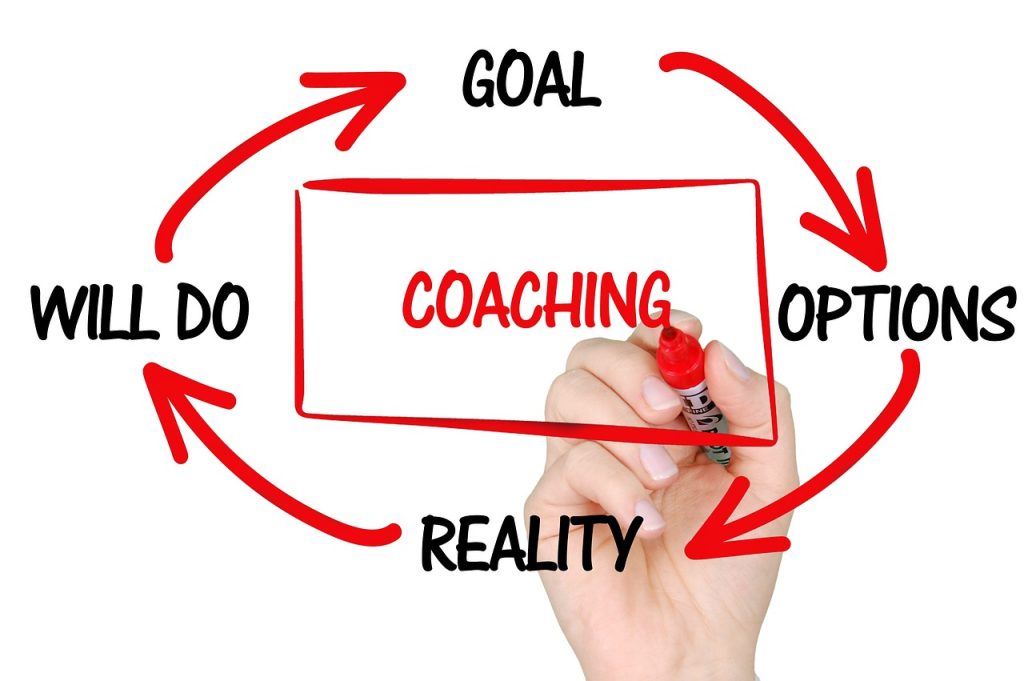
The GROW model is a widely recognized framework that focuses on setting goals and understanding the current reality. It guides coaches in facilitating sessions that promote accountability and clear objective setting.
Key Features:
- Focus on Goals, Reality, Options, and Will
- Encourages personal responsibility
- Highly adaptable for various contexts
Pros:
- Simple to understand and implement
- Effective for individual and team coaching
- Enhances self-awareness and decision-making
Cons:
- Can be too simplistic for complex issues
- May require additional frameworks for deeper insights
2. Co-Active Coaching – Best for Transformational Growth
This approach emphasizes the relationship between coach and client, fostering a partnership that encourages personal transformation. It delves into the client’s experiences to promote holistic growth.
Key Features:
- Focuses on the client as whole and resourceful
- Involves deep listening and asking powerful questions
- Emphasizes powerful self-expression
Pros:
- Deeply personal and transformative
- Builds strong coach-client relationships
- Creates lasting change
Cons:
- Can be time-consuming
- Requires strong communication skills from the coach
3. Solution-Focused Brief Therapy (SFBT) – Best for Quick Wins
SFBT is a goal-directed, collaborative approach that focuses on finding solutions in the present and exploring hope for the future. It’s particularly useful for clients looking for quick and practical results.
Key Features:
- Short-term focus on solutions instead of problems
- Encourages clients to envision their preferred future
- Employs the ‘miracle question’ technique for clarity
Pros:
- Quick and effective for immediate issues
- Empowers clients by focusing on strengths
- Flexible for various coaching situations
Cons:
- May overlook underlying issues
- Clients might need additional support for complex problems
4. The CLEAR Model – Best for Client Engagement
Developed specifically for coaching, the CLEAR model promotes a structured approach to the coaching process. It stands for Contracting, Listening, Exploring, Action, and Review.
Key Features:
- Strong emphasis on the coaching contract
- Encourages active listening and exploration
- Focus on creating actionable steps
Pros:
- Increases client engagement and accountability
- Structured framework promotes clarity
- Enhances the coach-client relationship
Cons:
- Can feel too structured for some clients
- Requires flexibility and adaptability from the coach
5. The FUEL Model – Best for Performance Enhancement
The FUEL model (Frame, Understand, Explore, and Lead) combines performance coaching with strategic insights. It’s ideal for business coaches helping clients enhance performance in a work environment.
Key Features:
- Focuses on workplace and performance improvement
- Encourages exploration of options
- Results in actionable leadership transformation
Pros:
- Proven effective for organizational coaching
- Promotes performance accountability
- Great for team coaching and development
Cons:
- Less focus on personal growth
- May not be ideal for individual life coaching
6. The ACE Model – Best for Self-Discovery
The ACE model stands for Acknowledge, Choose, and Engage. This coaching framework is designed for clients aiming for self-discovery and understanding their personal motivations.
Key Features:
- Supports deep reflection and acknowledgment
- Facilitates choice-making in personal growth
- Encourages active engagement in the process
Pros:
- Empowers clients toward self-awareness
- Promotes a proactive approach to improvement
- Flexible for various personal goals
Cons:
- Requires time for personal exploration
- Results may vary based on client readiness
7. Motivational Interviewing – Best for Behavioral Change
This client-centered approach is effective in promoting behavioral change and enhancing motivation. It’s particularly beneficial for clients facing transitions or challenges in their life.
Key Features:
- Focuses on enhancing intrinsic motivation
- Utilizes open-ended questions to encourage discussion
- Builds rapport and trust with clients
Pros:
- Proven to improve client engagement
- Supports long-term behavioral changes
- Adapts well to various coaching contexts
Cons:
- May be complex for beginners
- Requires extensive training to master
8. The 5E Coaching Model – Best for Educational Settings
The 5E model (Engage, Explore, Explain, Elaborate, and Evaluate) is especially useful in educational coaching contexts. It’s tailored to enhance teacher effectiveness and student learning.
Key Features:
- Focuses on the learning process
- Builds on the inquiry-based approach
- Encourages reflection and evaluation
Pros:
- Effective in educational environments
- Enhances collaboration among educators
- Promotes continuous improvement
Cons:
- Less effective outside of academic settings
- Requires familiarity with educational standards
How to Choose the Right Coaching Framework
When selecting a coaching framework, consider your goals, coaching style, and the needs of your clients. Evaluate whether you prefer structured approaches or more flexible ones based on client desires. Ultimately, the right framework will resonate with both you and your clients’ objectives, ensuring a successful coaching experience.
#Coaching #Mentoring #BusinessFrameworks #PersonalDevelopment #TransformationalCoaching #ClientSuccess #CoachingModels #ProfessionalGrowth