



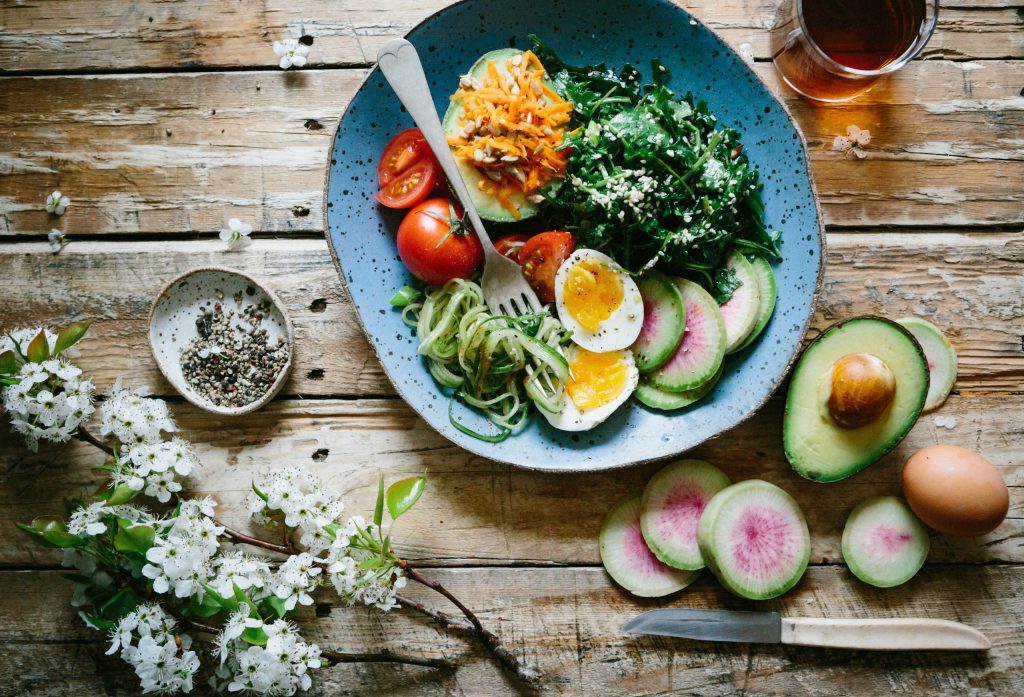
Are you looking to boost your metabolism while enjoying delicious foods? Protein-rich foods can help you do just that! Not only do they keep you feeling full longer, but they also support muscle growth and increase calorie burn. Whether you’re an athlete or just aiming for a healthy lifestyle, these foods are your best allies!
In this article, we’ll explore the top 10 protein-packed foods that will supercharge your metabolism. Discover how adding them to your diet can make a difference in your fitness journey!
1. Chicken Breast – Best For Lean Protein
Chicken breast is a staple for anyone looking to increase their protein intake while keeping fat low. It’s versatile, easy to prepare, and packed with nutrients, making it an ideal choice for metabolic support.
Key Features:
- High in protein (about 31g per 100g)
- Low in fat
- Rich source of B vitamins
Pros:
- Supports muscle growth
- Very versatile in recipes
- Quick cooking time
Cons:
- Can be dry if overcooked
- May not be suitable for vegetarians
2. Greek Yogurt – Best For Probiotics
Greek yogurt is a creamy and delicious way to boost your protein intake while also benefiting from gut-friendly probiotics. It’s perfect for breakfasts, snacks, or smoothies!
Key Features:
- Contains about 10g of protein per 100g
- Rich in calcium
- Great source of probiotics
Pros:
- Supports digestive health
- Versatile – can be used in sweet or savory dishes
- May help with weight management
Cons:
- Some varieties are high in added sugars
- Can be higher in calories than other yogurts
3. Lentils – Best For Plant-Based Protein
Lentils are an excellent source of protein for vegetarians and vegans. They are rich in fiber and essential nutrients, contributing to overall metabolic health.
Key Features:
- About 25g of protein per 200g cooked
- High in fiber
- Great source of iron and folate
Pros:
- Affordable and easy to prepare
- Helps regulate blood sugar levels
- Versatile for soups, salads, and sides
Cons:
- May cause digestive issues for some
- Longer cooking time compared to canned options
4. Quinoa – Best For Complete Proteins
Quinoa is unique as it contains all nine essential amino acids, making it a complete protein. It’s gluten-free, nutritious, and perfect for salads and bowls.
Key Features:
- About 8g of protein per cup cooked
- Rich in fiber and magnesium
- Gluten-free
Pros:
- Supports muscle recovery
- Quick cooking time
- Nutty flavor adds variety to meals
Cons:
- Can be more expensive than rice
- Requires rinsing to remove bitter saponins
5. Eggs – Best For Nutrient Density
Eggs are one of the best sources of high-quality protein, along with essential vitamins and minerals. Their versatility makes them a favorite among health enthusiasts!
Key Features:
- About 6g of protein per egg
- Rich in omega-3 fatty acids
- Contains a range of vitamins and minerals
Pros:
- Inexpensive and widely available
- Easy to cook
- Supports brain health due to choline content
Cons:
- High in cholesterol; moderation is key
- Can cause allergies in some individuals
6. Tofu – Best For Versatility
Tofu is a fantastic source of plant-based protein that can adapt to various dishes. It’s perfect for those looking for a meat alternative that is rich in nutrients!
Key Features:
- About 8g of protein per 100g
- Low in calories
- Rich in iron and calcium
Pros:
- Very versatile in cooking
- Absorbs flavors well
- High in antioxidants
Cons:
- Texture may not appeal to everyone
- Some may have concerns about soy consumption
7. Cottage Cheese – Best For Low-Calorie Snacking
Cottage cheese is a great snack choice that is high in protein yet low in calories. Its creamy texture makes it a delicious option for either sweet or savory dishes.
Key Features:
- About 11g of protein per 100g
- Low in fat
- Rich in calcium and B vitamins
Pros:
- Helps maintain muscle mass
- Can be paired with various foods
- Easy to incorporate into meals
Cons:
- May be high in sodium in some brands
- Texture may not be appealing to everyone
8. Salmon – Best For Omega-3 Rich Protein
Salmon is not only a great source of protein but also packed with omega-3 fatty acids, making it a powerhouse for heart health and metabolic support.
Key Features:
- Approximately 25g of protein per 100g
- High in healthy fats
- Rich in vitamin D and B vitamins
Pros:
- Supports brain and heart health
- Delicious and satisfying
- Quick to cook
Cons:
- Can be expensive compared to other proteins
- Mercury content concerns in larger fish
9. Almonds – Best For Healthy Snacking
Almonds are a delicious and nutritious snack option that provides protein along with healthy fats and fiber, ideal for maintaining energy levels.
Key Features:
- About 21g of protein per 100g
- Rich in vitamin E and magnesium
- High in healthy fats
Pros:
- Great for on-the-go snacking
- Supports heart health
- May aid in weight management
Cons:
- Higher in calories, moderation is key
- Can lead to allergies in some individuals
10. Chia Seeds – Best For Nutrient Density
Chia seeds may be tiny, but they pack a powerful nutritional punch, providing protein, fiber, and omega-3 fatty acids. Perfect for smoothies or as a topping!
Key Features:
- About 17g of protein per 100g
- Rich in fiber
- High in antioxidants
Pros:
- Great for adding texture to meals
- May help with hydration
- Easy to incorporate into various foods
Cons:
- Can be expensive compared to other seeds
- Requires soaking to improve digestion
How to Choose the Right Protein-Rich Foods
When selecting protein-rich foods for metabolic support, consider your dietary preferences, budget, and nutritional needs. Aim for a mix of animal and plant-based proteins to ensure you get a variety of nutrients. Look for options that are minimally processed and free from added sugars and unhealthy fats for the best health benefits.
#proteinrich #metabolicsupport #healthyeating #cleaneating #nutritiontips #fitnessfood #mealprep #healthyrecipes