



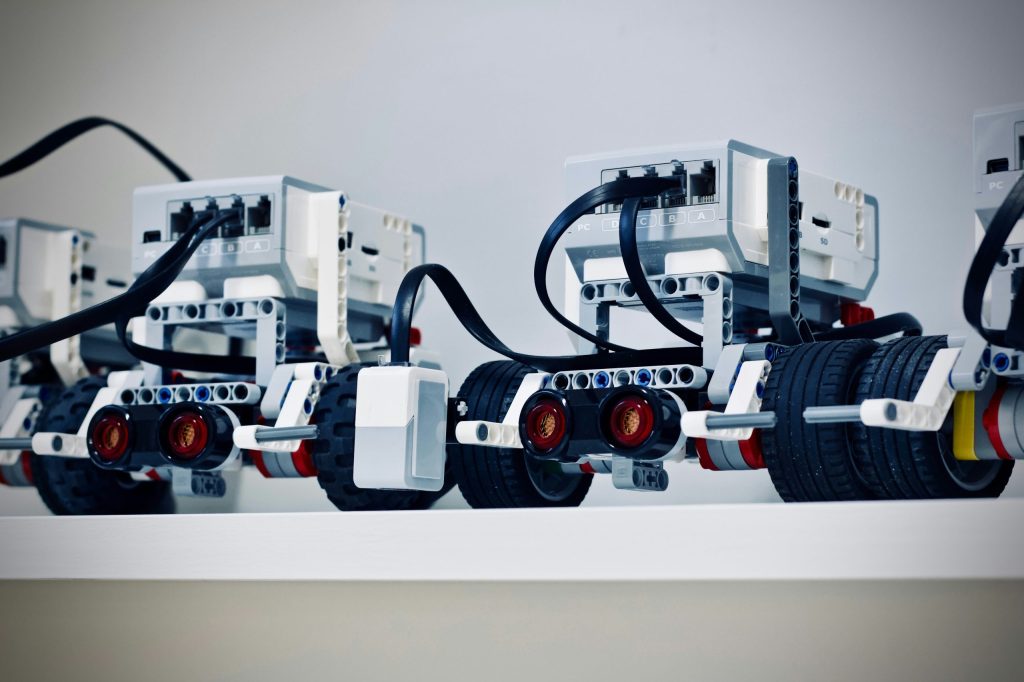
Biorobotics is revolutionizing how we interact with machines and enhance human capabilities. Whether you’re a student, a researcher, or simply an enthusiast, understanding advanced control systems in biorobotics is essential for the next wave of innovation. In this list, we spotlight the top eight overviews that dive deep into the complexities of this fascinating field.
With our carefully curated selections, you’ll explore groundbreaking technologies and concepts that are shaping the future of robotics. Let’s jump in!
1. Biomechanics and Control Strategies – Best for Understanding Movement Dynamics
This comprehensive overview covers the principles of biomechanics as they apply to robotic systems. It outlines how these strategies are essential for developing more intuitive and responsive robotic movements.
Key Features:
- In-depth analysis of human movement.
- Applications in prosthetic design.
- Integration of sensory feedback systems.
Pros:
- Clear explanations of complex concepts.
- Rich diagrams and illustrations.
- Applicable to various biorobotics fields.
Cons:
- May be too technical for beginners.
- Limited examples outside biomechanics.
2. Neural Control in Robotics – Best for Bio-Inspired Algorithms
This overview explores how neural networks can mimic biological functions, offering insights into the development of bio-inspired control algorithms for robots.
Key Features:
- Discussion of neural network architectures.
- Applications in autonomous systems.
- Case studies on bio-robot interaction.
Pros:
- Innovative approaches highlighted.
- Rich reference materials.
- Engaging examples from real-world applications.
Cons:
- Assumes prior knowledge of neural networks.
- Fast-paced sections may overwhelm novices.
3. Human-Robot Interaction Paradigms – Best for User-Centric Design
This guide focuses on the interaction between humans and robots, discussing how control systems can be optimized for better user experience.
Key Features:
- Design principles for intuitive interfaces.
- Examples of successful HRI projects.
- Evaluation methods for interfacing systems.
Pros:
- Focus on user experience.
- Interdisciplinary approach.
- Practical insights for developers.
Cons:
- Narrow focus may exclude technical depth.
- Less emphasis on control algorithms.
4. Algorithms for Robotic Motion Planning – Best for Path Optimization
This overview delves into algorithms that enable robots to plan efficient paths and navigate their environments, crucial for autonomous operation.
Key Features:
- Comparison of various motion planning algorithms.
- Integration of sensor data.
- Use cases in unmanned vehicles.
Pros:
- Practical examples enhance understanding.
- Clear comparisons help in decision making.
- Great resource for Algorithm enthusiasts.
Cons:
- May not cover real-time constraints thoroughly.
- Technical jargon used throughout.
5. Biohybrid and Soft Robotics – Best for Flexibility in Design
This exciting overview highlights the merging of biological structures with robotic systems, ideal for understanding design flexibility and innovative applications.
Key Features:
- Insights on soft robotic materials.
- Exploration of hybrid biological-robotic systems.
- Future trends in design and application.
Pros:
- Bridges biology and robotics seamlessly.
- Innovative concepts are discussed.
- Future-proof insights.
Cons:
- Still a developing field, some concepts remain theoretical.
- Examples may lack detailed case studies.
6. Control Systems for Autonomous Aircraft – Best for Aerial Applications
Focusing on aviation, this overview provides insights into control systems specifically designed for autonomous flying robots, with applications in drone technology.
Key Features:
- Overview of flight control theory.
- Real-life applications in drone delivery.
- Sensitivity analysis for control precision.
Pros:
- Relevant to current industry trends.
- Diverse applications covered.
- Well-structured guide for engineers.
Cons:
- Doesn’t cater to ground robotics.
- Technical language that may alienate casual readers.
7. Swarm Robotics Systems – Best for Collaborative Robotics
This overview introduces the concept of swarm robotics, showcasing how multiple robots can work together to complete complex tasks efficiently.
Key Features:
- Principles of collective behavior.
- Applications in environmental monitoring.
- Coordination algorithms for swarm behavior.
Pros:
- Innovative methods for collaboration.
- Rich with real-world applications.
- Potential for future breakthroughs.
Cons:
- Complexity may confuse less experienced readers.
- A niche area with limited general application.
8. Ethical Considerations in Biorobotics – Best for Responsible Development
This final overview discusses the ethical implications of developing and deploying biorobotic systems, emphasizing the need for responsible engineering practices.
Key Features:
- Examination of ethical dilemmas in robotics.
- Frameworks for ethical decision making.
- Case studies highlighting ethical breaches.
Pros:
- Covers a crucial aspect of technology.
- Encourages responsible thinking among engineers.
- Promotes awareness of social impact.
Cons:
- Lacks technical depth on engineering aspects.
- Discussion may feel abstract to some readers.
How to Choose the Right Overview for You
When selecting a biorobotics control system overview, consider your background and specific interests. If you’re new to the field, starting with foundational concepts like biomechanics might be beneficial. For those looking to dive deeper into technical strategies, resources focused on algorithms and motion planning will be more enriching. Lastly, interdisciplinary approaches, such as human-robot interaction and ethical considerations, can provide essential perspectives for future innovators.
#Biorobotics #ControlSystems #RoboticsEngineering #Innovation #TechnologyTrends #SoftRobotics #AI #NeuralNetworks