

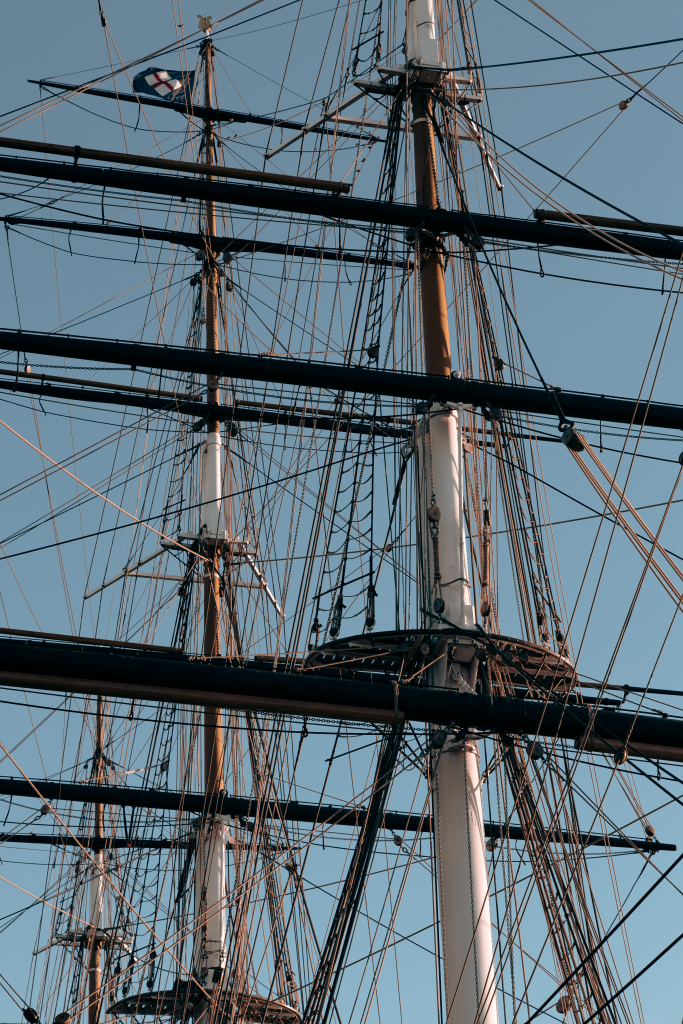
If you’re captivated by the tales of the sea, the evolution of maritime exploration, or the intricate details of sailing ships, you’re in for a treat! We have compiled a list of the top compendiums that offer a wealth of knowledge about maritime history, perfect for both casual readers and serious enthusiasts.
Dive into these remarkable books filled with stunning illustrations and thoughtful narratives, ensuring that you won’t just learn about the past, but also feel the pulse of maritime adventures.
1. The Oxford Companion to Ships and the Sea – Best For Comprehensive Coverage
This extensive compendium covers everything from ancient maritime traditions to modern naval technology, making it an essential reference for any maritime enthusiast.
Key Features:
- Over 3,000 entries on ships, maritime history, and terminology.
- Contributions from renowned maritime historians and specialists.
- Illustrated with maps, photographs, and diagrams.
Pros:
- In-depth exploration of maritime topics.
- Well-organized and easy to navigate.
- Rich illustrations enhance understanding.
Cons:
- Some entries may be too academic for casual readers.
- Heavy volume; not ideal for on-the-go reading.
2. The Sea and Civilization – Best For Historical Context
This book provides a historical narrative that outlines how the sea has influenced human civilizations throughout history, making it a must-read for anyone interested in the interplay between maritime and human development.
Key Features:
- Chronologically organized chapters for clear historical progression.
- Discusses the impact of the sea on economic and social structures.
- Engaging storytelling with rich historical anecdotes.
Pros:
- Interesting blend of history and personal stories.
- Accessible to both history buffs and general readers.
- Illuminates lesser-known societal impacts.
Cons:
- Focus may be too broad for specific maritime interests.
- Less detailed on specific ships or maritime technologies.
3. The Ship: An Illustrated History – Best For Visual Learners
If you learn better through visuals, this beautifully illustrated book provides an expansive view of different ship types throughout history, showcasing their evolution through time.
Key Features:
- Rich illustrations and photographs complement thorough descriptions.
- Covers ships from ancient times to the present.
- Discusses design, construction, and the roles of ships.
Pros:
- Visually captivating, making it hard to put down.
- Great for all ages and reading levels.
- Provides a solid foundation for ship design expertise.
Cons:
- Less textual depth compared to other compendiums.
- Occasional inaccuracies in visual attribution.
4. The Maritime History of the United States – Best For American Maritime Enthusiasts
This comprehensive guide details the maritime past of the United States, punctuating how naval innovations reflect the country’s military, economic, and cultural heritage.
Key Features:
- Focused narrative on U.S. naval history and ships.
- Deep analysis of key historical events and figures.
- Incorporates both military and civilian maritime aspects.
Pros:
- Well-researched with extensive citations.
- Engagingly written, making it a good read.
- Valuable insights into U.S. maritime policy.
Cons:
- Primarily U.S. focused, less universal appeal.
- Could overwhelm those unfamiliar with U.S. history.
5. A History of Sailing Ships – Best For Nautical Design Enthusiasts
This title focuses on the technology and craftsmanship that made sailing ships possible, catering to those who appreciate nautical engineering and design.
Key Features:
- Detailed discussions on shipbuilding techniques through the ages.
- Illustrated designs of sail configurations and hull shapes.
- Interviews with shipbuilders and designers.
Pros:
- Ideal for enthusiasts and aspiring shipbuilders.
- Comprehensive technical insights.
- Shows the evolution of design practices.
Cons:
- Technical jargon may be dense for lay readers.
- Focuses less on stories and anecdotal evidence.
6. Sailor’s Secrets: Discovering the World of Sailing – Best For Beginners
This is a perfect starter book for those interested in sailing, filled with tips, stories, and the essentials of sailing culture and navigation.
Key Features:
- Covers basic sailing skills and terms.
- Includes anecdotes from experienced sailors.
- Helpful illustrations show techniques and navigation routes.
Pros:
- Great resource for beginners.
- Easy-to-understand language.
- Inspiring stories motivate readers to sail.
Cons:
- Limited in-depth coverage for more advanced sailors.
- Could feel too simplistic for experienced sailors.
7. The History of the British Merchant Navy – Best For British Maritime History Lovers
This book chronicles the role of the British Merchant Navy throughout history, making it an essential read for those interested in maritime economics and trade.
Key Features:
- Explores the impact of trade and naval power on the British economy.
- Describes significant events affecting the merchant navy.
- Engages with maritime literature and cultural reflections.
Pros:
- Rich historical context and insights.
- Good storytelling makes for an engaging read.
- References to literature provide cultural depth.
Cons:
- Highly specific focus may not appeal to all readers.
- Little analysis of non-British merchant practices.
8. Famous Ships: Their Stories and Significance – Best For Quick Reads
If you’re looking for bite-sized information on legendary ships and their adventure-filled tales, this compendium is the ideal choice!
Key Features:
- Short biographies of iconic ships around the world.
- Highlights their impact on maritime history.
- Rich illustrations accompany each story.
Pros:
- Quick insights perfect for busy readers.
- Engaging stories bring history alive.
- Perfect for children and adults alike.
Cons:
- Lack of depth in individual ship stories.
- May leave avid readers wanting more detail.
9. Seafaring Women: 250 Years of Shipboard Wisdom – Best For Gender Studies
This unique book focuses on the often-overlooked contributions of women in maritime history, celebrating their roles within ship crews and the maritime world.
Key Features:
- Features personal stories from various seafaring women throughout history.
- Examines gender roles and shifts in maritime culture.
- Illustrated with historical photographs and documents.
Pros:
- Highlights important but forgotten figures in maritime history.
- Engagingly written and informative.
- Offers a unique perspective on maritime contributions.
Cons:
- Primarily focuses on gender, which may alienate some readers.
- Limited technical maritime content.
10. Vagabonding in the Mediterranean – Best For Adventurers
This travel-focused compendium blends adventure with maritime history, sharing the author’s thrilling experiences while sailing through the Mediterranean.
Key Features:
- Combines travel narratives with insights on local maritime history.
- Richly descriptive and engaging writing style.
- Offers practical travel tips for aspiring sailors.
Pros:
- Highly inspiring for adventurers and globetrotters.
- Evocative prose brings the sea to life.
- Encourages exploration and learning about culture.
Cons:
- May lack the academic rigor some readers seek.
- Focused more on personal experience than historical analysis.
How to Choose the Right Maritime History Compendium
To find the perfect maritime history book for you, consider your interests and level of expertise. Are you seeking something pictorial for casual reading, or do you want detailed technical knowledge? Look for reviews and descriptions that resonate with you to ensure your next book adds value to your maritime journey!
#MaritimeHistory #Sailing #ShipCompendiums #SeaLovers #BookRecommendations #HistoryOfSailing #NauticalBooks