



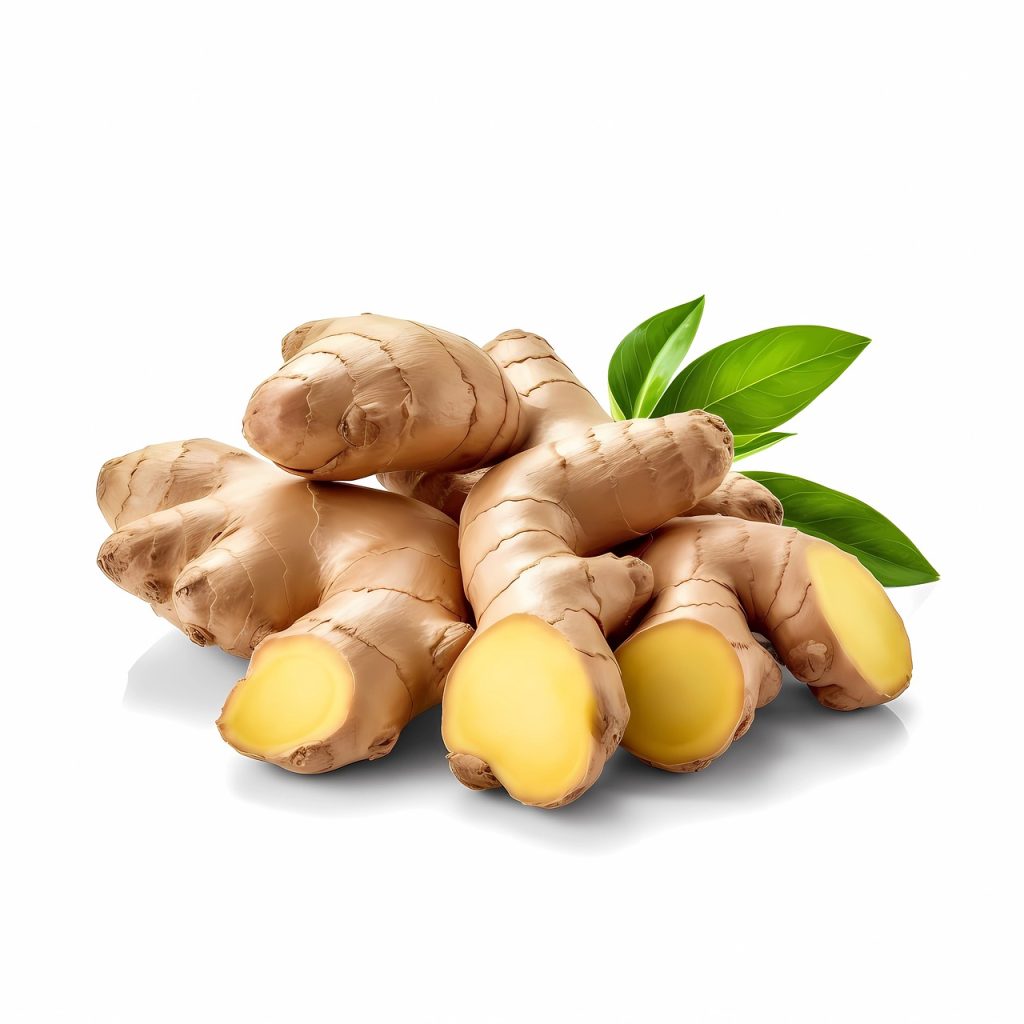
If you’re battling joint pain or recovering from an injury, the right nutrition can play a crucial role in your healing process. Integrating anti-inflammatory foods into your diet can not only alleviate pain but also promote quicker recovery. In this list, we’ll explore seven powerhouse ingredients that help reduce inflammation and support your joint health.
Let’s dive into these delicious foods that not only taste great but also provide the essential nutrients your body needs to heal. Your joints will thank you!
1. Fatty Fish – Best For Omega-3 Fatty Acids
Fatty fish like salmon and mackerel are loaded with omega-3 fatty acids, which are known for their anti-inflammatory properties. These healthy fats can help reduce stiffness and joint pain, making them a fantastic addition to your recovery diet.
Key Features:
- Rich in high-quality protein.
- Contains vitamin D, essential for bone health.
- Low in saturated fat.
Pros:
- Promotes heart health.
- Enhances immune function.
- Supports mental health.
Cons:
- May be expensive compared to other proteins.
- Potential for high mercury levels in some fish.
- May not be suitable for those following a vegetarian or vegan diet.
2. Berries – Best For Antioxidant Power
Berries such as blueberries, strawberries, and raspberries are brimming with antioxidants that help combat oxidative stress, a contributor to inflammation. Incorporating these colorful fruits into your meals can enhance joint recovery.
Key Features:
- High in vitamins C and K.
- Low in calories but high in fiber.
- Contains natural anti-inflammatory compounds.
Pros:
- Supports brain health.
- Improves skin health.
- Easy to incorporate into meals and snacks.
Cons:
- Can be pricey when out of season.
- May cause allergic reactions in some individuals.
- Short shelf-life compared to other fruits.
3. Leafy Greens – Best For Nutrient Density
Leafy greens like spinach and kale are excellent sources of vitamins, minerals, and phytonutrients that fight inflammation. Their high nutrient density makes them a vital component of a joint-friendly diet.
Key Features:
- Rich in vitamins A, C, and K.
- High in antioxidants.
- Low in calories and high in fiber.
Pros:
- Supports overall health and well-being.
- Versatile for salads, smoothies, and cooking.
- Can help with weight management.
Cons:
- May cause digestive discomfort for some.
- Requires preparation time.
- Can spoil quickly if not stored properly.
4. Turmeric – Best For Curcumin Content
This vibrant yellow spice contains curcumin, a powerful anti-inflammatory compound. Adding turmeric to your diet can significantly reduce joint inflammation and speed up recovery.
Key Features:
- Contains powerful antioxidants.
- Improves bioavailability when paired with black pepper.
- Supports digestive health.
Pros:
- Easy to incorporate into meals or smoothies.
- May offer joint pain relief.
- Potential anti-cancer properties.
Cons:
- Overuse can cause digestive issues.
- May interact with certain medications.
- Requires proper dosage for beneficial effects.
5. Avocado – Best For Healthy Fats
Avocado is rich in monounsaturated fats and anti-inflammatory compounds, making it an excellent choice for joint health. Its creamy texture and versatility make it a beloved addition to various dishes.
Key Features:
- High in potassium and fiber.
- Contains antioxidants like lutein and zeaxanthin.
- Enhances nutrient absorption from other foods.
Pros:
- Supports cardiovascular health.
- Improves skin hydration.
- Easy to add to salads, sandwiches, and smoothies.
Cons:
- Can be high in calories.
- May not be suitable for people with certain food sensitivities.
- Requires proper storage to avoid spoilage.
6. Nuts and Seeds – Best For Healthy Protein
Nuts and seeds are packed with healthy fats, protein, and anti-inflammatory compounds. They provide essential nutrients that support overall joint function and recovery.
Key Features:
- High in fiber and protein.
- Contains omega-3 fatty acids, especially in flaxseeds and walnuts.
- Low in carbohydrates.
Pros:
- Convenient and portable snacks.
- May promote heart health.
- Variety enhances dietary enjoyment.
Cons:
- Can be calorie-dense.
- Some individuals may have nut allergies.
- Storage issues can lead to rancidity.
7. Olive Oil – Best For Monounsaturated Fats
Extra virgin olive oil is renowned for its health benefits, particularly its anti-inflammatory properties. Its monounsaturated fats help reduce inflammation while adding flavor to your meals.
Key Features:
- Rich in antioxidants and vitamin E.
- Offers heart-healthy omega-3 and omega-6 fatty acids.
- Enhances flavor in cooking and dressings.
Pros:
- Versatile for cooking and dressings.
- May reduce the risk of chronic diseases.
- Supports weight management.
Cons:
- Can be expensive compared to other oils.
- May not be suitable for high-heat cooking.
- Storage in light or heat can degrade quality.
How to Choose the Best Anti-Inflammatory Foods
When selecting anti-inflammatory foods, focus on incorporating a variety of whole, minimally processed foods. Look for items that are rich in omega-3 fatty acids, antioxidants, and essential vitamins. Balance is key, so mix fruits, vegetables, healthy fats, and lean proteins to optimize your joint health and recovery.
#AntiInflammatoryFoods #JointHealth #HealthyEating #Nutrition #InflammationRelief #FoodForRecovery #HealthyLifestyle