



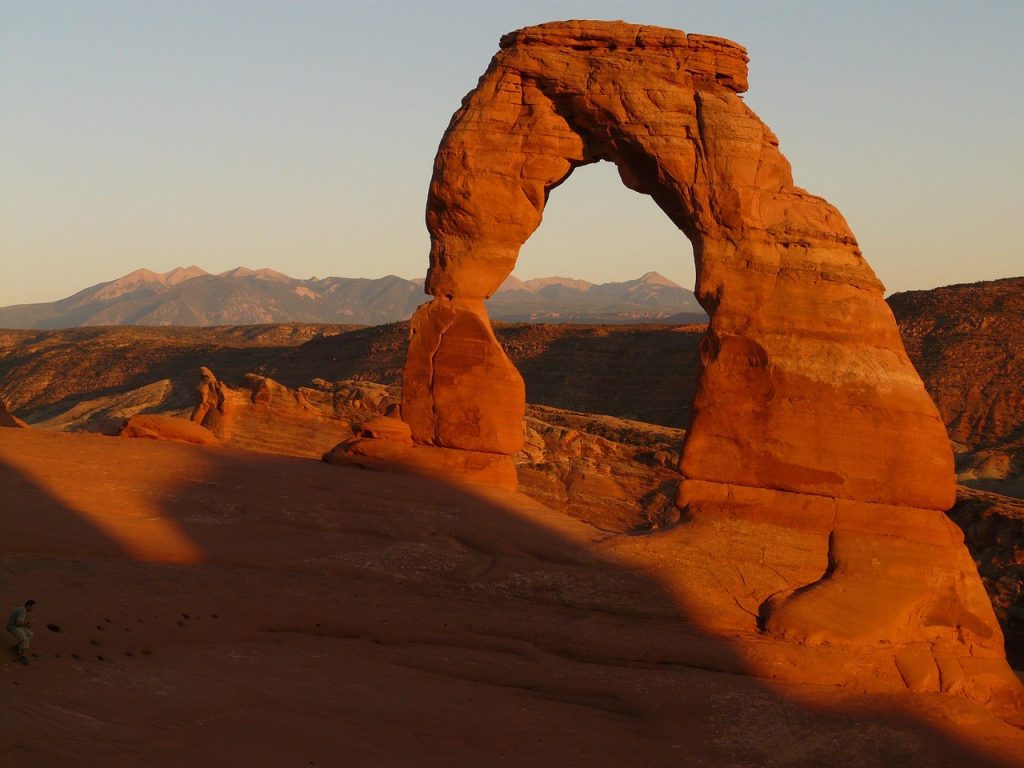
Camping in national parks is a breathtaking experience, but it comes with the responsibility of preserving these natural wonders. The Leave-No-Trace principles ensure that we respect and protect the environment while enjoying its beauty. In this guide, we’ll cover the essential guidelines that every camper should follow to minimize their impact.
By adhering to these eight Leave-No-Trace camping guidelines, you’ll not only enhance your outdoor experience but also help preserve the stunning landscapes for future generations.
1. Plan Ahead and Prepare – Best for Avoiding Surprises
Before heading out on your camping adventure, thorough planning can significantly reduce your impact. Know the park rules, conditions, and regulations to ensure a smooth trip.
Key Features:
- Research your destination
- Understand local regulations and restrictions
- Pack necessary gear for the specific environment
Pros:
- Helps prevent accidents
- Reduces environmental impact
- Enhances overall enjoyment
Cons:
- Requires time and effort
- May need to adjust plans based on new information
2. Travel and Camp on Durable Surfaces – Best for Protecting Flora
Sticking to established trails and campsites minimizes damage to vegetation and soil. This practice is critical in preserving the natural ecosystem.
Key Features:
- Stay on marked trails
- Use established campsites
- Avoid creating new paths
Pros:
- Preserves wildlife habitats
- Reduces soil erosion
- Maintains the park’s aesthetic
Cons:
- Limited access to certain scenic spots
- Can feel restrictive for adventurous spirits
3. Properly Dispose of Waste – Best for Keeping Nature Clean
Waste disposal is essential for maintaining the beauty of national parks. Always pack out what you pack in, including food scraps and personal items.
Key Features:
- Use restroom facilities where available
- Pack out all trash
- Follow guidelines for human waste
Pros:
- Keeps parks clean and inviting
- Reduces pollution
- Aids in wildlife preservation
Cons:
- Requires planning for waste management
- Can be inconvenient
4. Leave What You Find – Best for Preserving Cultural Resources
Leave natural and historical items undisturbed. Removing stones, plants, or artifacts not only harms the ecosystem but also strips future visitors of their experience.
Key Features:
- Avoid collecting any natural or cultural items
- Take photos instead of items
- Respect wildlife and their habitats
Pros:
- Maintains historical integrity
- Protects ecosystems
- Helps preserve cultural heritage
Cons:
- May be tempting to take mementos
- Requires mindfulness and restraint
5. Minimize Campfire Impact – Best for Reducing Fire Risks
Campfires can be wonderful but can also cause lasting damage. It’s crucial to manage them properly to avoid wildfires and habitat destruction.
Key Features:
- Use established fire rings
- Keep fires small and manageable
- Extinguish completely before leaving
Pros:
- Creates a cozy atmosphere
- Fosters camaraderie
- Minimizes fire damage
Cons:
- Some parks may restrict fires entirely
- Can be time-consuming to manage
6. Respect Wildlife – Best for Coexisting Safely
Wildlife encounters are a highlight for campers, but it’s critical to observe from a safe distance. Feeding wildlife can disrupt their natural behaviors and diets.
Key Features:
- Observe animals from a distance
- Store food securely
- Do not approach or feed wildlife
Pros:
- Promotes natural animal behaviors
- Ensures safety for both visitors and wildlife
- Enhances your learning experience
Cons:
- May limit wildlife viewing opportunities
- Requires understanding animal behaviors
7. Be Considerate of Other Visitors – Best for Community Harmony
Everyone deserves to enjoy the great outdoors. By being considerate, such as keeping noise levels down and yielding the trail, you enhance everyone’s experience.
Key Features:
- Follow group etiquette
- Yield the trail to hikers and other campers
- Keep noise to a minimum
Pros:
- Creates a welcoming environment
- Encourages shared respect
- Enhances social interactions
Cons:
- Requires mindfulness in personal behavior
- Can feel overly restrictive for some
8. Use Plastic Free Alternatives – Best for Environmental Sustainability
Reducing plastic waste is vital for preserving the pristine environment of national parks. Opt for biodegradable or reusable items to decrease your footprint.
Key Features:
- Select reusable containers
- Use biodegradable soap
- Avoid single-use plastics
Pros:
- Reduces landfill waste
- Encourages sustainable practices
- Supports a greener future
Cons:
- Initial cost may be higher
- Requires effort to find alternatives
How to Choose the Right Guidelines
When planning your camping trip, consider your destination, group size, and season. Tailor your approach to fit your environment and the specific Leave-No-Trace guidelines to ensure a respectful and enjoyable visit to our national parks. Remember, the goal is to leave these beautiful landscapes as you found them, for others to enjoy in the future.
#LeaveNoTrace #CampingTips #NationalParks #EcoFriendlyCamping #SustainableTravel #OutdoorEthics #NatureConservation #CampingGuidelines