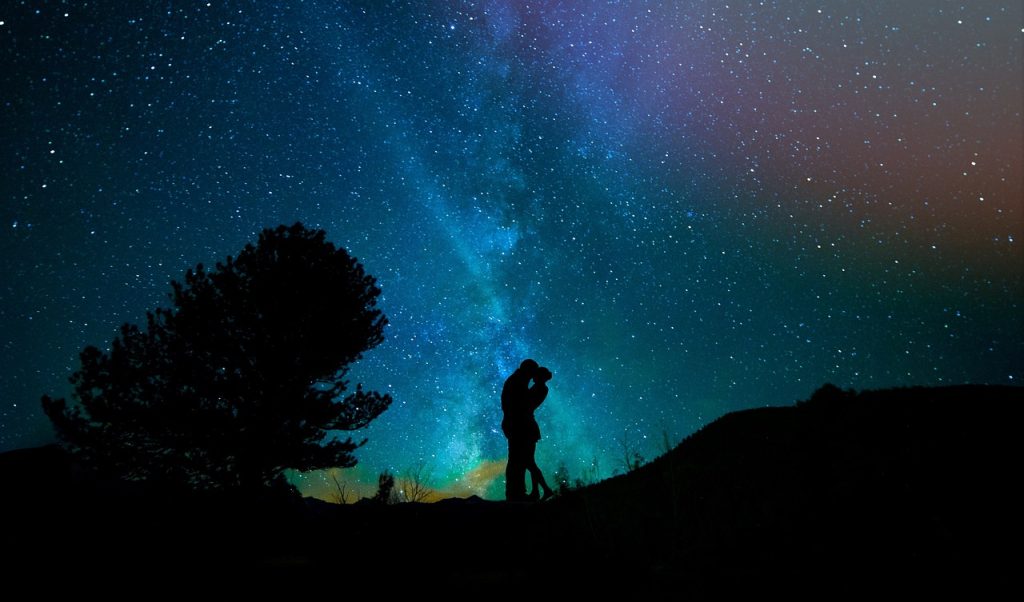
As summer nights stretch on, there’s no better time to explore the vast beauty of the cosmos. Dark Sky Reserves provide the perfect escape from city lights, offering a breathtaking view of the stars. Whether you’re an avid astronomer or a casual stargazer, these stunning locations promise unforgettable experiences under the night sky.
From breathtaking landscapes to minimal light pollution, these parks have been carefully selected for their exceptional stargazing opportunities. Get ready to grab your telescope or simply lay back and enjoy the celestial show!
1. Jasper National Park – Best for Remote Wilderness
Nestled in the heart of the Canadian Rockies, Jasper National Park is famous for its stunning mountain views and pristine skies. As a designated Dark Sky Preserve, it’s one of the best places in Canada to watch the stars.
Key Features:
- Accessibility to diverse stargazing sites
- A plethora of astronomical events throughout the summer
- Guided night sky programs available
Pros:
- Stunning mountain backdrop
- Wide variety of accommodations
- Family-friendly activities
Cons:
- Can get crowded during peak season
- Weather can be unpredictable
2. Big Bend National Park – Best for Remote Viewing
Big Bend National Park in Texas is a hidden gem for stargazing. With its vast, remote landscapes and minimal light pollution, it offers some of the darkest skies in the continental U.S., ideal for viewing the Milky Way.
Key Features:
- Over 1,200 square miles of pristine wilderness
- Scheduled night sky programs and events
- A variety of landscapes including mountains, desert, and river
Pros:
- Incredible views of the Milky Way
- Unique geological features
- Great hiking opportunities
Cons:
- Remote location may require extensive travel
- Limited amenities in the park
3. Aoraki Mackenzie International Dark Sky Reserve – Best for Astrophotography
Located in New Zealand, this reserve is not only celebrated for its clear skies but also its stunning natural beauty. The Aoraki Mackenzie area is perfect for astrophotographers looking to capture the night sky in all its glory.
Key Features:
- Well-maintained viewing areas
- Workshops for aspiring astrophotographers
- Accessible locations for various skill levels
Pros:
- Extraordinarily clear skies
- Breathtaking landscapes
- Educational programs offered
Cons:
- Can be cold at night during winter
- Some areas difficult to access without a vehicle
4. Cherry Springs State Park – Best for Amateur Stargazers
Located in Pennsylvania, Cherry Springs State Park is a premier stargazing destination. Known for its remarkable night sky visibility, it’s perfect for beginners and seasoned stargazers alike.
Key Features:
- Designated as a Dark Sky Park by the International Dark-Sky Association
- Stargazing events throughout the summer
- Open fields allow for unobstructed views
Pros:
- Family-friendly atmosphere
- Close-knit community of stargazers
- Educational resources available
Cons:
- Can be crowded during stargazing events
- Limited amenities nearby
5. Death Valley National Park – Best for Extreme Stargazing
As one of the hottest places on Earth, Death Valley is also a fantastic location for stargazing. With its expansive desert landscapes and elevation changes, it provides an unspoiled view of the night sky.
Key Features:
- One of the darkest national parks in the U.S.
- Host of various stargazing events
- Unique geological features enhance the experience
Pros:
- Distinctive desert landscapes
- Year-round stargazing opportunities
- A variety of hiking options
Cons:
- Extreme temperatures during the day
- Limited cell service in areas
6. Kitt Peak National Observatory – Best for Guided Tours
Situated in Arizona, Kitt Peak is home to the largest collection of optical telescopes in the world. This observatory offers nighttime programs that include guided tours and the chance to look through professional telescopes.
Key Features:
- Public evening observing programs
- Experts available to guide your stargazing experience
- Educational facilities with observatories
Pros:
- Access to powerful telescopes
- Knowledgeable staff to enhance learning
- Ideal for all ages
Cons:
- Reservations required for nighttime viewing
- Some nights may be clouded over
7. Mont-Mégantic International Dark Sky Reserve – Best for Local Culture
Nestled in Quebec, Canada, this reserve not only offers stunning skies but also unique cultural experiences. The Mont-Mégantic area blends natural beauty with local traditions and attractions.
Key Features:
- Rich combination of astronomy and cultural events
- Observation domes available at the observatory
- Workshops and educational sessions
Pros:
- Combines education with recreation
- Stunning natural landscapes
- Family-friendly programs
Cons:
- Seasonal accessibility may vary
- Crowded during special events
8. Ngā Whiteina Dark Sky Reserve – Best for Unique Night Tours
Located in New Zealand, the Ngā Whiteina Reserve provides thrilling night tours designed to immerse visitors in Māori astronomy. It’s a unique stargazing experience combined with cultural insights.
Key Features:
- Unique cultural perspective on astronomy
- Stunning views of nearby landscapes
- Accessibility for various skill levels
Pros:
- Combines cultural education with stargazing
- Less crowded compared to other locations
- Incredible scenic views
Cons:
- Limited commercial amenities
- Night tours may require advanced booking
How to Choose the Best Stargazing Park for You
When selecting a dark sky reserve for stargazing, consider factors such as accessibility, the availability of guided programs, weather conditions, and your level of stargazing experience. Whether you want a family-friendly location or a remote adventure, there’s a perfect spot waiting for you!
#Stargazing #DarkSkyReserves #NationalParks #Astrophotography #SummerNights #NightSky #AstronomyLovers #TravelGoals