



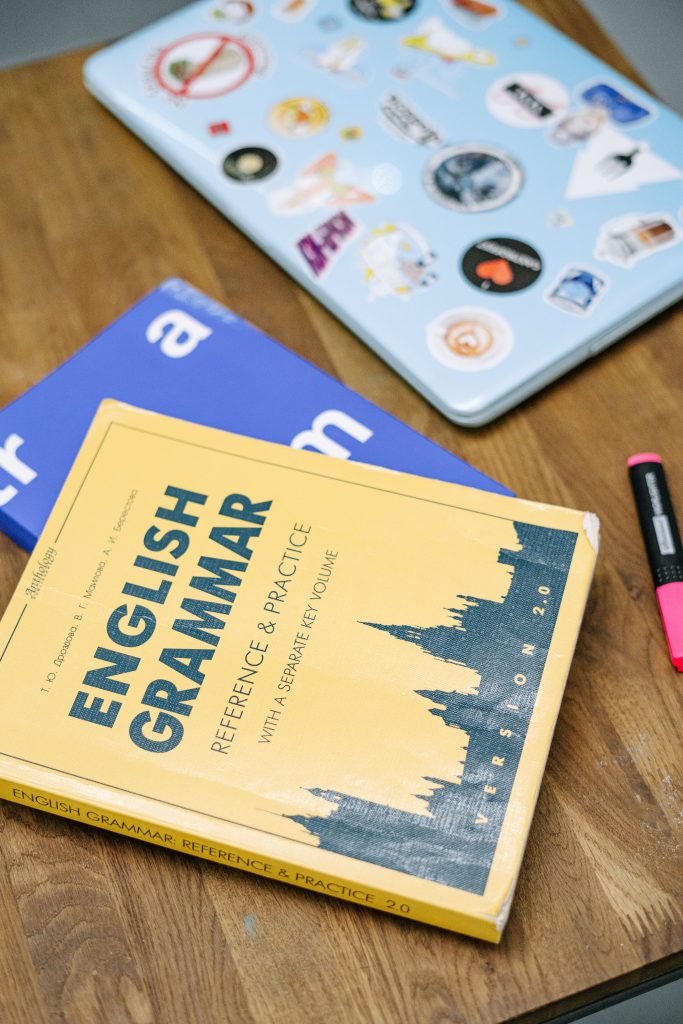
If you’re diving into the fascinating world of sign language and its rich cultural history, the right resources are essential. Understanding the grammar and background of sign language not only enhances your communication skills but also enriches your appreciation for the Deaf community. Let’s explore five must-read books that delve into sign language grammar and cultural history.
These handpicked titles are perfect for both beginners and seasoned learners who wish to deepen their knowledge. From linguistics to cultural narratives, these books are your gateways to mastering sign language and understanding its profound impact.
1. “Signing Naturally” – Best for Structured Learning
“Signing Naturally” is a classic text that focuses on American Sign Language (ASL) grammar and usage. Its structured approach helps learners effectively grasp essential concepts through engaging activities.
Key Features:
- Comprehensive lessons on ASL grammar
- Interactive exercises for various skill levels
- Rich visual resources that enhance understanding
Pros:
- Widely used in ASL classes
- Inclusive of cultural insights
- Easy to follow for all learners
Cons:
- Focus primarily on ASL, not other sign languages
- Can be dense for casual readers
2. “A Journey Into the Deaf-World” – Best for Cultural Context
This book provides an in-depth look at the culture, history, and experiences of the Deaf community. It illuminates the context surrounding the use of sign language as more than just a means of communication.
Key Features:
- Cultural anecdotes that highlight Deaf experiences
- Insights into the evolution of sign language
- Interviews with members of the Deaf community
Pros:
- Engaging storytelling format
- Educational for both Deaf and hearing audiences
- Promotes awareness and understanding
Cons:
- Less focus on grammar specifics
- May not suit academic purposes
3. “American Sign Language: A Student’s Guide” – Best for Academic Insights
This guide is designed for students wishing to excel in their sign language studies. It covers fundamental grammar rules and provides a solid foundation for both written and signed communication.
Key Features:
- Clear explanations of ASL syntax and grammar
- Practice exercises for diverse learning styles
- Supplementary resources for further study
Pros:
- Excellent for classroom settings
- Structured layout aids comprehension
- Supportive of various learning methods
Cons:
- Can be overwhelming for beginners
- Some content may feel repetitive
4. “The Complete Idiot’s Guide to Learning Sign Language” – Best for Beginners
This friendly guide demystifies sign language and makes it approachable for newcomers. It covers basic grammar and cultural considerations in a fun and engaging manner.
Key Features:
- Simplified lessons with everyday applications
- Fun illustrations and practical tips
- Invaluable cultural context included
Pros:
- Highly accessible for all ages
- Interactive exercises included
- Encouraging tone throughout
Cons:
- Less depth for advanced learners
- Covers limited aspects of ASL grammar
5. “Sign Language in the 21st Century” – Best for Contemporary Perspectives
This book addresses the ongoing evolution of sign language and its role in modern society. It blends grammar with cultural analysis, making it an excellent resource for those interested in current developments.
Key Features:
- Analysis of technological impacts on sign language
- Discussion of social issues affecting the Deaf community
- Current trends and future directions
Pros:
- Very relevant to today’s society
- Forward-thinking perspective
- Encourages community engagement
Cons:
- May require prior knowledge of ASL
- Pace can vary, depending on reader interest
How to Choose the Right Sign Language Book
Consider your current skill level and what aspects of sign language interest you most. If you’re a beginner, start with accessible guides that introduce basic grammar. For those interested in cultural history, choose books that reflect on the Deaf community. Lastly, always look for resources that encourage practice and engagement with members of the Deaf community to enhance your learning experience.
#SignLanguage #DeafCulture #ASLGrammar #LearnSignLanguage #CulturalHistory #SignLanguageBooks #DeafCommunity #LanguageLearning