



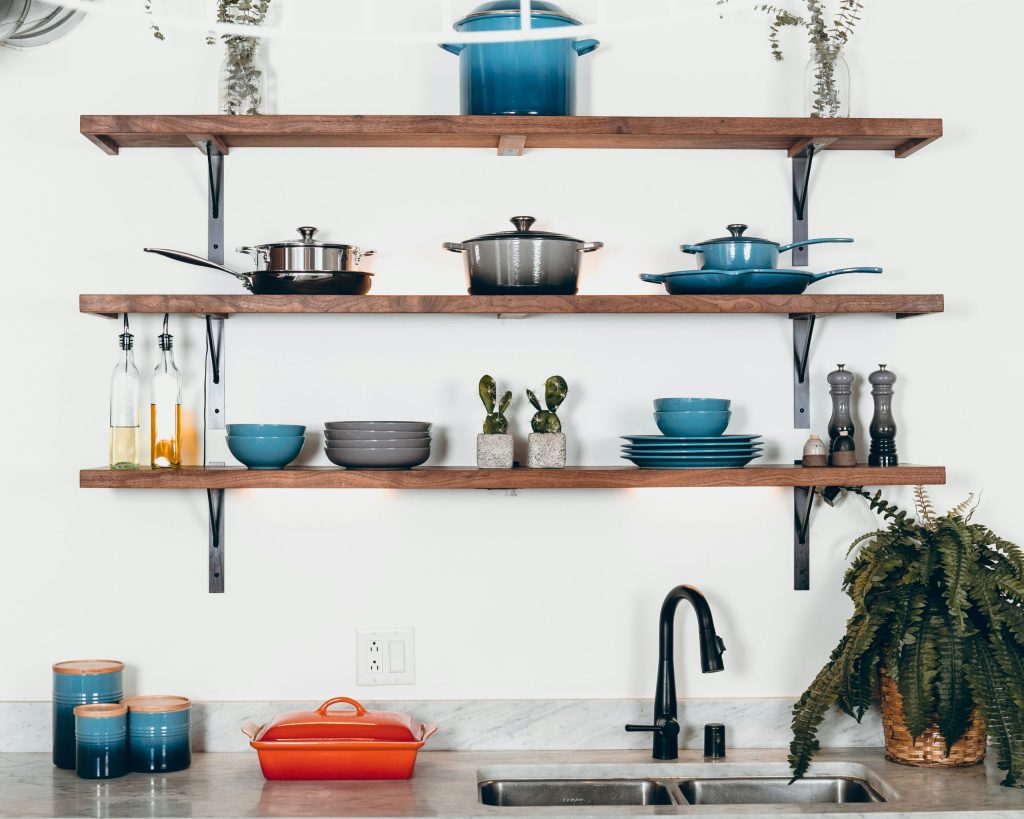
Are you ready to wave goodbye to plastic and embrace a more sustainable kitchen? Transitioning to a plastic-free kitchen routine may seem daunting, but with the right steps, it can be rewarding both for the environment and your lifestyle. Let’s explore seven essential tips to help you make this meaningful change!
From swapping out plastic containers to discovering eco-friendly alternatives, this guide is packed with practical solutions to turn your kitchen into a plastic-free zone. Let’s dive into these tips and take your first big step toward sustainability!
1. Start with a Declutter – Clear Out Plastic Items
The first step in your plastic-free journey is to identify and remove plastic items from your kitchen. A decluttered space makes room for sustainable alternatives and helps you visualize your goals.
Key Features:
- Evaluate your current kitchen supplies.
- Dispose of or donate items you no longer need.
- Keep only the essentials for your transition.
Pros:
- Creates a fresh start for your kitchen.
- Encourages mindful consumption.
- Reduces stress and clutter.
Cons:
- Can be time-consuming.
- May require initial investment for replacements.
- Sentimental items can be hard to let go.
2. Invest in Reusable Containers – Best For Food Storage
Replace plastic containers with glass or stainless steel alternatives. These materials are durable, safe, and sustainable, providing a perfect solution for food storage.
Key Features:
- Glass containers are microwave-safe and easy to clean.
- Stainless steel options are lightweight and rust-resistant.
- Both materials are recyclable at the end of their life cycle.
Pros:
- Long-lasting and eco-friendly.
- BPA-free and safe for food storage.
- Variety of sizes and styles available.
Cons:
- Higher initial cost than plastic.
- Glass containers can be heavy and fragile.
- Some options may not be dishwasher safe.
3. Choose Beeswax Wraps – Best For Food Preservation
Instead of plastic wrap, beeswax wraps are an excellent choice for covering food and reducing plastic waste. They are reusable, compostable, and come in various designs!
Key Features:
- Made from organic cotton infused with beeswax.
- Flexible and moldable to fit various food shapes.
- Can be washed and reused for up to a year.
Pros:
- Eco-friendly and biodegradable.
- Beautiful patterns that add charm to your kitchen.
- Reduces reliance on single-use plastic wraps.
Cons:
- Not suitable for raw meat or fish.
- Requires care to maintain their lifespan.
- Initial investment may be high if buying in bulk.
4. Opt for Bulk Buying – Best For Reducing Packaging Waste
Buying in bulk not only saves money but also significantly minimizes packaging waste. Bring your reusable bags to bulk stores and fill them with grains, nuts, and other essentials.
Key Features:
- Reduces the use of plastic packaging.
- Allows customization of purchase quantity.
- Encourages local shopping habits.
Pros:
- Cost-effective for everyday pantry items.
- Fresh and often organic options are available.
- Encourages sustainable shopping practices.
Cons:
- Requires storage space at home.
- May not be conveniently located.
- Initial purchase may be larger than usual.
5. Swap Plastic Utensils – Best For Food Prep and Dining
Replace plastic utensils with wooden or bamboo alternatives for cooking and dining. These materials make for sturdy and stylish kitchen accessories that are biodegradable.
Key Features:
- Natural materials that are eco-friendly.
- Durable and heat-resistant properties.
- Variety of designs and utensils available.
Pros:
- Stylish addition to kitchen decor.
- Completely plastic-free and compostable.
- Safer for non-stick cookware.
Cons:
- Requires regular maintenance and oiling.
- Can absorb odors if not cleaned properly.
- May be less durable for certain cooking tasks.
6. Use Natural Cleaning Products – Best For Eco-Friendly Maintenance
Switching to natural cleaning products limits your exposure to harsh chemicals and plastic bottles. Opt for brands that focus on sustainability or make your own cleaners at home.
Key Features:
- Made from biodegradable ingredients.
- Often packaged in recyclable materials.
- Safe for both the environment and your family.
Pros:
- Better for your health and air quality.
- Can be customized for specific cleaning needs.
- Reduces plastic waste from packaging.
Cons:
- May require more effort to make homemade versions.
- Some natural products may not work as effectively.
- Can be more expensive than conventional cleaners.
7. Educate Yourself and Others – Best For Community Impact
Staying informed about the impacts of plastic on our environment allows you to make better choices. Share your knowledge with friends and family to inspire a collective movement toward sustainability.
Key Features:
- Learn about the effects of plastic pollution.
- Explore local initiatives and resources.
- Join communities focused on sustainability.
Pros:
- Promotes a culture of sustainability.
- Encourages shared learning and support.
- Catalyzes change in local communities.
Cons:
- May encounter resistance to change.
- Requires continuous education and effort.
- Can feel overwhelming when advocating for change.
How to Choose the Best Plastic-Free Options for Your Kitchen
When transitioning to a plastic-free kitchen, begin by identifying your most used items and prioritize replacements based on necessity. Look for durable, biodegradable, and recyclable alternatives that fit your budget. Remember, it’s about making gradual changes – every small step counts!
#PlasticFreeKitchen #SustainableLiving #EcoFriendlyTips #ZeroWasteLifestyle #GreenHome #SustainableKitchen #EcoConscious #ReducePlasticWaste