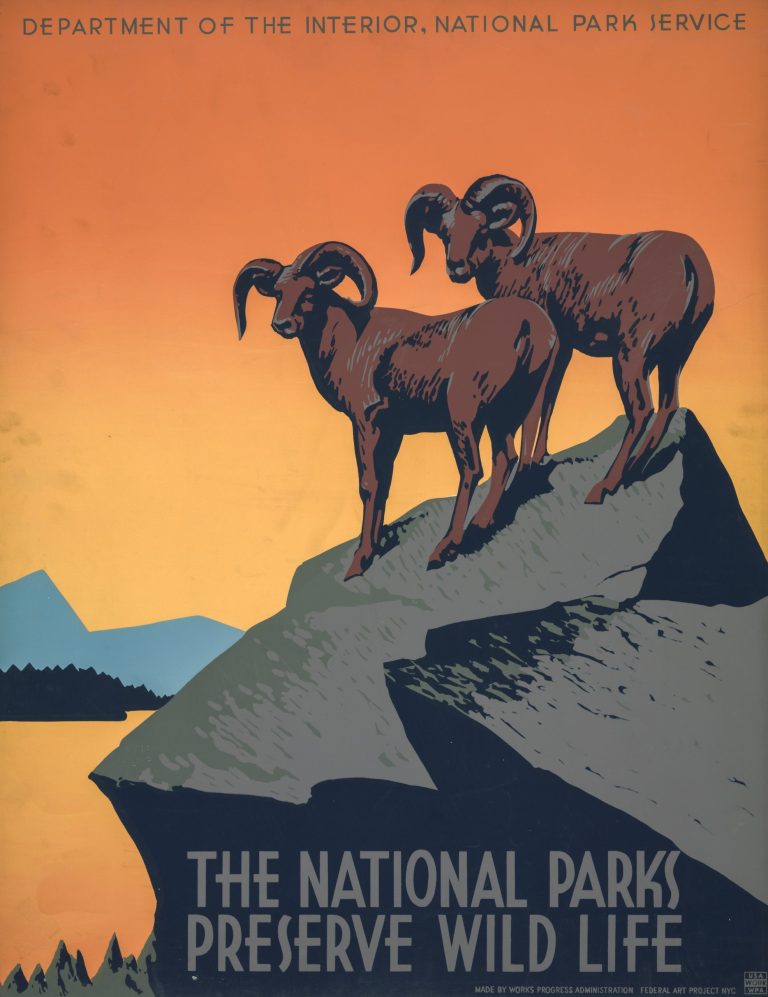



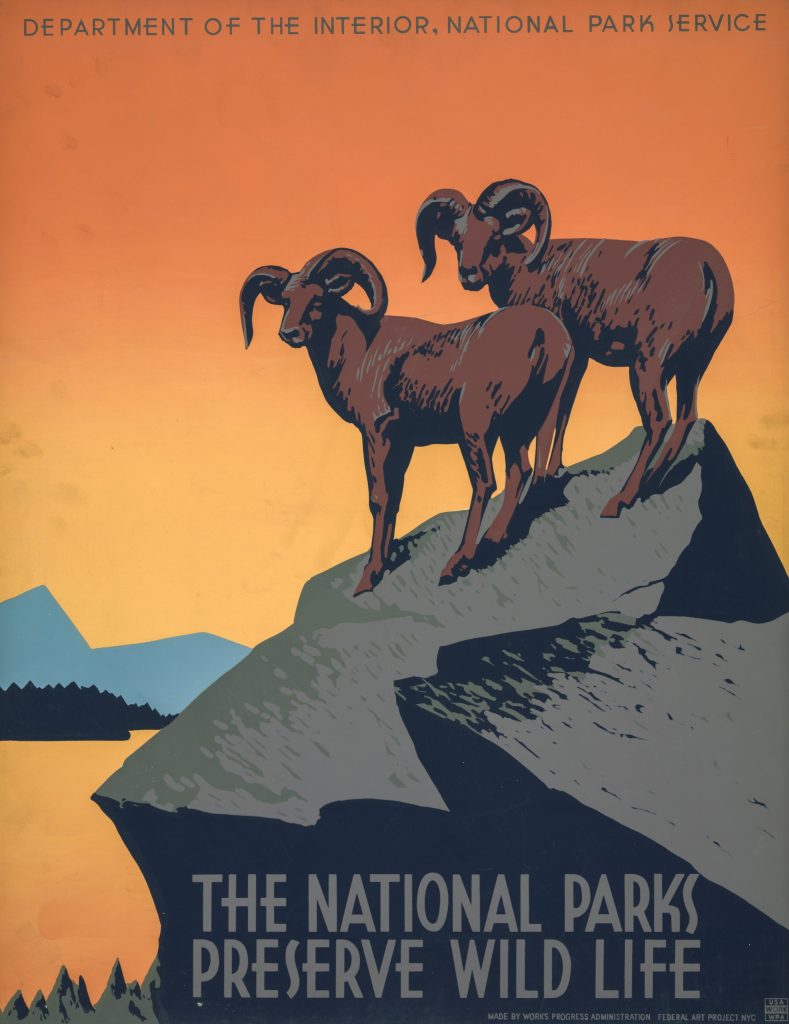
If you love exploring the great outdoors and want to ensure that our national parks stay pristine for future generations, understanding the laws surrounding their preservation and eco-tourism is crucial. From protecting wildlife to conserving natural landscapes, these laws play a pivotal role in sustainable tourism.
This listicle will guide you through seven essential laws that safeguard our beloved national parks. Whether you’re a nature enthusiast or an eco-tourist, knowing these regulations can enhance your appreciation and help you contribute positively during your adventures.
1. National Park Service Organic Act of 1916 – Foundational Law for Preservation
The National Park Service Organic Act established the National Park Service (NPS) and set a precedent for the preservation of natural and cultural resources in national parks. This act emphasizes the importance of enjoying and protecting these areas for future generations.
Key Features:
- Established the NPS to manage national parks.
- Promotes conservation of natural and cultural resources.
- Encourages public enjoyment while ensuring protection.
Pros:
- Provides a legal framework for park management.
- Supports education and outreach initiatives.
- Aims for sustainable tourism practices.
Cons:
- Implementation can be inconsistent across parks.
- Funding limitations may hinder conservation efforts.
2. Wilderness Act of 1964 – Protecting Undeveloped Land
This landmark legislation designates certain federal lands as wilderness areas, safeguarding them from development. It ensures a natural space free from human intrusion, preserving ecosystems for wildlife and recreational activities.
Key Features:
- Designates lands as protected wilderness areas.
- Restricts development and motorized access.
- Promotes the use of non-motorized recreational activities.
Pros:
- Preserves biodiversity and natural habitats.
- Enhances outdoor recreational opportunities.
- Promotes solitude and wilderness experiences.
Cons:
- Access can be limited for some visitors.
- May restrict resource extraction for local communities.
3. National Environmental Policy Act (NEPA) – Process for Environmental Assessments
The NEPA requires federal agencies to assess the environmental impacts of proposed actions, ensuring that ecological considerations are factored into decision-making processes related to national parks.
Key Features:
- Mandates environmental impact assessments (EIA).
- Encourages public participation in environmental decision-making.
- Ensures protection of natural resources.
Pros:
- Promotes transparency and accountability.
- Encourages sustainable development practices.
- Fosters community engagement.
Cons:
- Can lead to delays in project implementation.
- Sometimes lacks enforcement mechanisms.
4. Endangered Species Act of 1973 – Protecting Threatened Wildlife
This significant legislation provides a framework for the conservation of endangered and threatened species and their habitats within national parks, ensuring that park ecosystems remain balanced and biodiversity is preserved.
Key Features:
- Identifies and protects endangered species.
- Designates critical habitats for conservation.
- Promotes recovery plans for at-risk species.
Pros:
- Helps prevent extinction of diverse species.
- Supports ecosystem integrity and resilience.
- Facilitates public awareness and education campaigns.
Cons:
- Can create conflicts with land use and development.
- Implementation may require significant resources.
5. National Park System General Authorities Act – Management Framework
This act provides guidance for the management and operation of the national parks system, encouraging a unified approach in preserving resources across all parks while enhancing recreational opportunities.
Key Features:
- Establishes guidelines for park management.
- Promotes collaborative resource conservation.
- Encourages visitor engagement and education.
Pros:
- Centralizes management for improved efficiency.
- Enhances park accessibility and visitor experience.
- Encourages sustainable tourism practices.
Cons:
- Can be seen as too bureaucratic.
- Implementation varies between parks.
6. National Historic Preservation Act – Conserving Cultural Heritage
This act focuses on protecting significant cultural sites and historic landscapes within national parks, ensuring not just environmental, but cultural preservation as well.
Key Features:
- Establishes a national register of historic places.
- Guides preservation efforts for historic resources.
- Encourages public participation in preservation activities.
Pros:
- Safeguards cultural history and heritage.
- Enhances educational opportunities for visitors.
- Promotes tourism centered on cultural interests.
Cons:
- May limit development opportunities.
- Funding can be inadequate for preservation projects.
7. Federal Land Policy and Management Act – Strategic Land Use
This act addresses the management of federal land, balancing the needs of conservation while allowing for sustainable use and enjoyment of these lands, including national parks.
Key Features:
- Establishes comprehensive land management policies.
- Promotes multiple uses of public lands, including recreation.
- Emphasizes conservation and sustainable practices.
Pros:
- Facilitates a balanced approach to land management.
- Supports diverse recreational activities.
- Allows cooperative management efforts with local communities.
Cons:
- Can lead to conflicts over land use priorities.
- Implementation may face local resistance.
How to Choose: Navigating National Park Laws
When exploring national parks, it’s essential to familiarize yourself with the specific regulations that apply to each site. Before your visit, research the parks’ preservation laws and eco-tourism guidelines to ensure your activities align with conservation efforts. Aim to educate yourself on Leave No Trace principles and actively support sustainable practices to contribute positively to these beautiful areas. Remember, the more informed you are, the more impactful your presence will be!
#NationalParks #EcoTourism #SustainableTravel #Conservation #Wilderness #EnvironmentalAwareness #EcoFriendlyTravel #TravelResponsibly