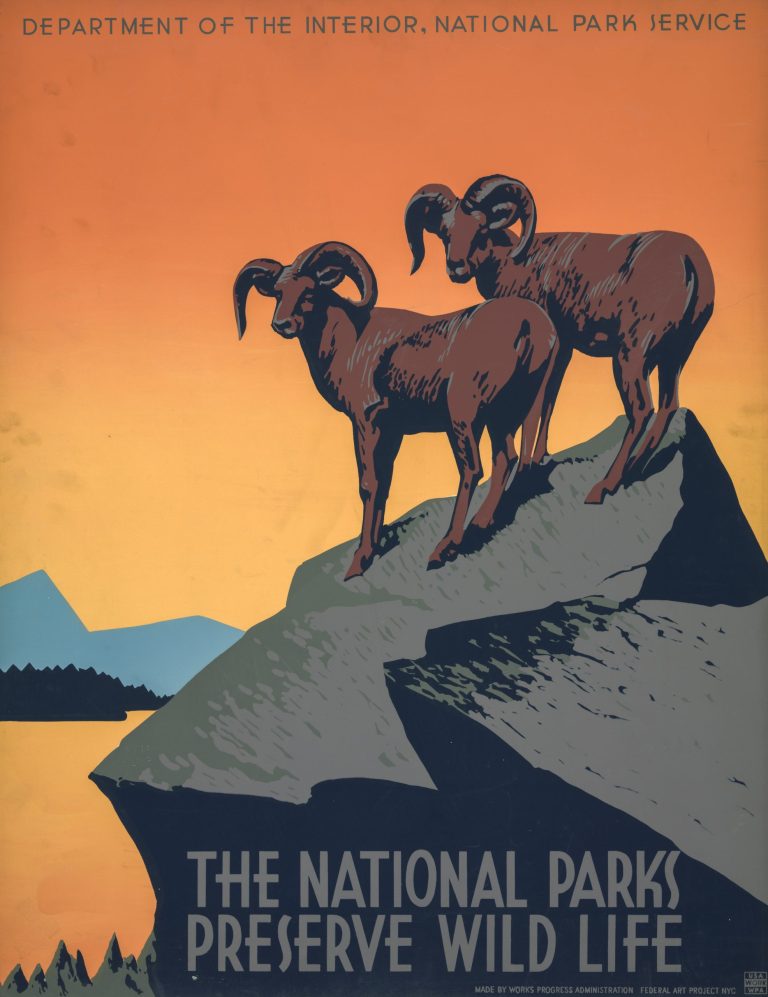



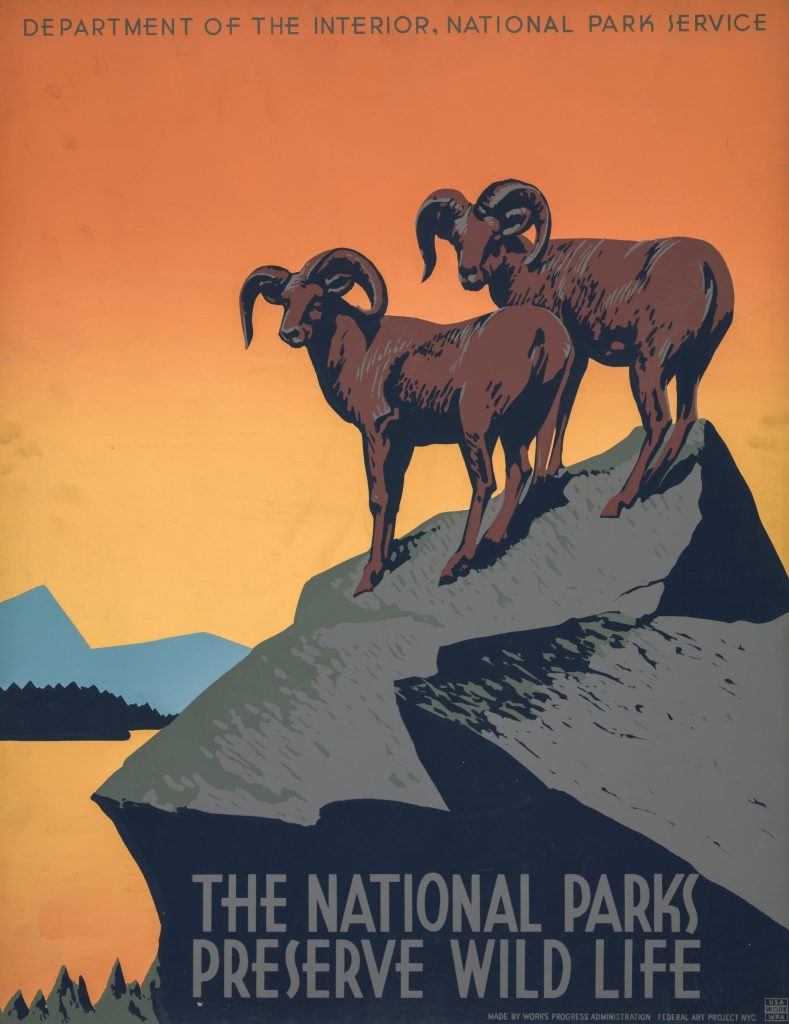
Did you know that many national parks across the globe have specific laws designed to protect their natural beauty and wildlife? These regulations not only ensure preservation but also promote responsible tourism that benefits local communities. This article dives into seven critical laws related to national park preservation and eco-tourism that every traveler, nature lover, and environmentalist should be aware of!
Whether you’re planning your next adventure to a national park or looking to understand how eco-tourism laws work, this list will equip you with valuable knowledge and inspire responsible travel choices.
1. National Park Service Organic Act – Preserving America’s Treasures
This landmark legislation established the National Park Service (NPS) in the United States, emphasizing the importance of protecting park resources for future generations. It lays the groundwork for eco-tourism by prioritizing visitor experience and conservation.
Key Features:
- Established the NPS in 1916
- Focuses on conservation and public enjoyment
- Sets standards for park management
Pros:
- Key framework for protecting park ecosystems
- Encourages sustainable tourism practices
- Promotes educational programs for visitors
Cons:
- Limited funding may hinder enforcement
- Challenges in balancing tourism and conservation
2. The Wilderness Act – Protecting the Wild
Passed in 1964, this act provides for the preservation of wilderness areas, ensuring that they remain untouched by human development. It is crucial for maintaining biodiversity and the integrity of national parks that include wilderness regions.
Key Features:
- Designates wilderness areas within national parks
- Restricts motorized access and human development
- Enhances wildlife habitats
Pros:
- Preserves pristine landscapes
- Supports diverse ecosystems
- Provides areas for hiking and exploration
Cons:
- Potential restrictions on recreational activities
- Management challenges in remote areas
3. Endangered Species Act – Protecting Wildlife
The Endangered Species Act, enacted in 1973, aims to protect endangered plants and animals and their habitats. This act directly impacts national parks, promoting eco-tourism by preserving the unique species found within them.
Key Features:
- Identifies and lists threatened species
- Establishes critical habitats
- Imposes restrictions on development
Pros:
- Enhances biodiversity conservation
- Promotes eco-tourism through wildlife watching
- Encourages research and education on conservation
Cons:
- Implementation can be slow and complex
- Conflicts may arise between development and conservation
4. National Environmental Policy Act (NEPA) – A Sustainable Approach
NEPA, established in 1969, requires federal agencies to assess the environmental impact of their proposed actions, including national park projects. This act ensures that eco-tourism developments consider the environment before moving forward.
Key Features:
- Mandates Environmental Impact Statements (EIS)
- Encourages public participation in planning
- Promotes environmental stewardship
Pros:
- Increases transparency in decision-making
- Enhances community involvement
- Supports sustainable development principles
Cons:
- Process can be lengthy and bureaucratic
- Possible opposition from development interests
5. Marine Mammal Protection Act – Safeguarding Sea Life
This act, enacted in 1972, provides protections for marine mammals, particularly within coastal national parks. It plays a crucial role in supporting eco-tourism focused on marine wildlife observation and conservation.
Key Features:
- Prohibits the hunting or harassment of marine mammals
- Encourages conservation of marine habitats
- Involves community education programs
Pros:
- Aids in restoring marine populations
- Supports eco-tourism activities like whale watching
- Promotes awareness of marine ecosystems
Cons:
- Conflicts with fishing industries
- Enforcement can be challenging
6. The Forest Reserve Act – Conservation Through Management
This 1891 act allows the President to set aside forest reserves, which often include national parks. It is essential for conserving large areas of forested land and promoting eco-tourism through responsible management and recreation.
Key Features:
- Establishes the framework for forest reserves
- Helps protect water sources and habitats
- Supports sustainable logging practices
Pros:
- Protects forest ecosystems
- Facilitates recreational opportunities
- Promotes eco-friendly tourism models
Cons:
- May restrict certain land uses
- Complications in multi-use management
7. The Clean Water Act – Ensuring Water Quality
This act aims to restore and maintain the integrity of the nation’s waters, which is vital for national parks that depend on clean water for their ecology and tourism activities. It promotes the protection of aquatic ecosystems in park areas.
Key Features:
- Regulates pollutant discharges into water bodies
- Supports wetland conservation efforts
- Encourages public participation in water management
Pros:
- Improves water quality in and around parks
- Protects fish and wildlife habitats
- Enhances recreational opportunities such as fishing and swimming
Cons:
- Regulatory complexity can lead to confusion
- Potential conflicts between stakeholders
How to Choose Eco-Friendly Travel Options
When planning your visit to national parks, consider these tips for choosing eco-friendly options:
- Research parks that prioritize conservation efforts.
- Choose guided eco-tours that respect wildlife.
- Opt for accommodations that have sustainable practices.
#NationalParks #EcoTourism #ConservationLaw #SustainableTravel #WildlifeProtection #NaturePreservation #TravelResponsibly #ExploreNature