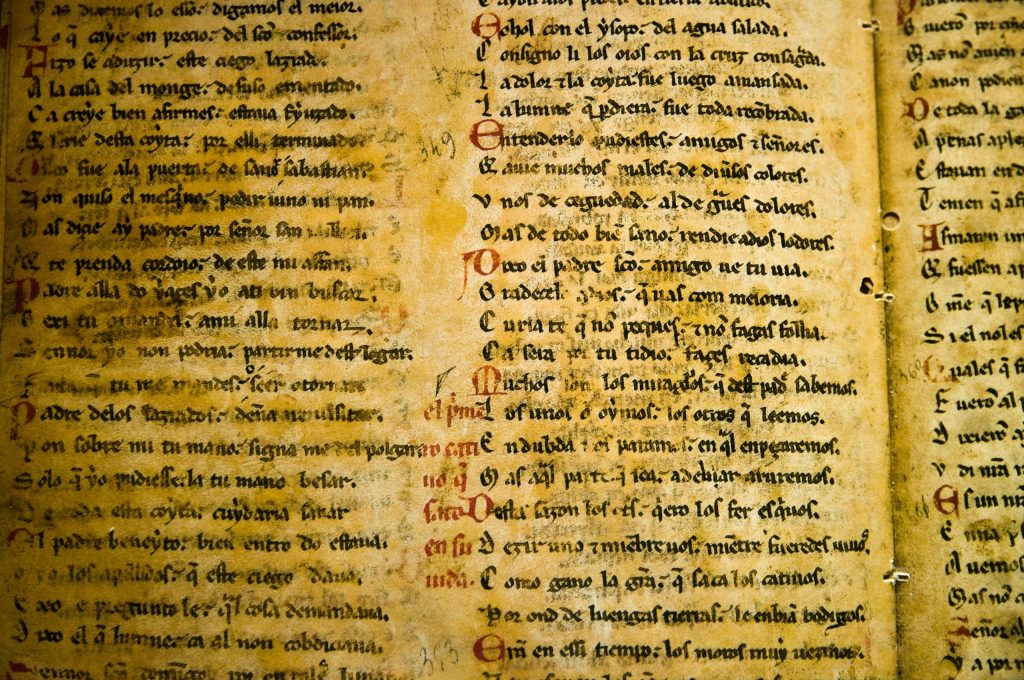
Are you passionate about the art of manuscript illumination and binding? Discover the timeless techniques and artistry in these invaluable manuals that reveal the secrets of historical practices! Whether you’re a seasoned bookbinder or just starting, these resources will inspire your creative journey.
From detailed illustrations to step-by-step instructions, each manual on this list serves as a gateway into the past and showcases the beauty of handcrafted books. Dive into these gems that will enhance your skills and knowledge in the art of manuscript creation.
1. The Book of Hours – Best For Understanding Liturgical Contexts
This remarkable manuscript not only teaches about illumination but also highlights the religious significance of texts in historical contexts. It’s a perfect blend of art and devotion.
Key Features:
- Insightful layout designs for prayers and texts
- Richly illustrated examples of historical bindings
- Historical context that influences illumination styles
Pros:
- Comprehensive exploration of liturgical manuscripts
- Beautiful illustrations that serve as inspiration
- Accessible language for both beginners and experts
Cons:
- Limited focus on contemporary techniques
- Some sections may be overly detailed for casual readers
2. The Art of Bookbinding by Joseph C. K. Lee – Best For Practical Techniques
Joseph C. K. Lee’s manual is an essential guide for anyone looking to learn practical binding techniques rooted in historical practices.
Key Features:
- Step-by-step binding instructions
- A range of binding styles from different eras
- Helpful illustrations demonstrating each technique
Pros:
- Covers both traditional and modern methods
- Easy to follow with clear diagrams
- Encourages experimentation
Cons:
- May require specific tools not available to all
- Focus on techniques may overshadow historical context
3. Medieval Manuscripts in the National Library of France – Best For Visual Inspiration
This compilation showcases stunning examples of manuscript illuminations from the medieval period, perfect for artists seeking inspiration.
Key Features:
- High-resolution images of manuscripts
- Diverse examples from various regions
- Annotations explaining illumination techniques
Pros:
- Invaluable for visual learners and artists
- Rich historical context included
- Engaging format that fosters creativity
Cons:
- Lacks extensive how-to guides
- Primarily visual-focused, not technique-focused
4. The Secret Lives of Manuscripts by Daniel W. H. Fuchs – Best For Historical Context
Delve into the fascinating narratives behind various historical manuscripts and their illuminations. This book gives readers a deeper appreciation for the craft.
Key Features:
- Historical anecdotes about significant manuscripts
- Insight into the lives of scribes and illuminators
- Engaging storytelling style
Pros:
- Enriches understanding of historical context
- Great for both book enthusiasts and artisans
- Appealing for those interested in history and art
Cons:
- Less emphasis on technical skills
- Some may prefer more hands-on guides
5. Illuminated Manuscripts: A Reader’s Guide by Francesca S. Turner – Best For Academic Study
This guide serves as a comprehensive resource for scholars and students interested in the academic side of manuscript studies, focusing on illumination.
Key Features:
- Thorough bibliographic references
- Analysis of various schools of illumination
- Critical essays by leading experts
Pros:
- In-depth academic resource
- Informs about historical movements and styles
- Supports research and understanding of manuscripts
Cons:
- May be too advanced for casual readers
- Limited practical application for binding
6. The Golden Legend: The Life of Christ by Jacobus de Voragine – Best For Narrative Books with Illustrations
This medieval text is lavishly illustrated and remains a prime example of how illumination brought stories to life, making it a staple for understanding narrative in manuscripts.
Key Features:
- Stunning illustrations accompanying each story
- Insight into narrative techniques in manuscript creation
- Richly decorated pages
Pros:
- Provides a vivid representation of medieval culture
- A resource for both literary and visual art studies
- A treasure trove for illumination enthusiasts
Cons:
- Less emphasis on practical application
- Focuses primarily on religious narratives
7. The Craft of Bookbinding by Peter Verheyen – Best For Modern Adaptations of Historical Techniques
This manual expertly bridges traditional bookbinding techniques with contemporary practices, making it perfect for modern artisans seeking historical inspiration.
Key Features:
- Combines traditional and modern techniques
- Clear, contemporary style with easy-to-follow instructions
- Addresses the needs of today’s binders
Pros:
- Encourages innovation while respecting tradition
- Great resource for makers and DIY enthusiasts
- Accessible and user-friendly
Cons:
- May appeal more to experienced binders
- Some historical nuances may be overlooked
How to Choose the Right Manual for You
When selecting a historical manuscript illumination and binding manual, consider your current skill level and goals. If you’re looking for practical techniques, choose a book focused on step-by-step instructions. For inspiration, seek out visually rich texts filled with illustrations. Finally, consider how much context and historical information you want; some manuals deeply explore these topics, while others are more technique-based.
#manuscriptillumination #bookbinding #historicalart #bookcraft #illuminationart #historicalmanuals #artisancrafts #creativeinspiration