



Finding the right balance between workout intensity and recovery can be challenging. An active recovery day is vital for maintaining fitness levels while allowing your body to heal and endure future workouts. Whether you’re an athlete or just starting your fitness journey, incorporating active recovery days into your routine will boost your performance and prevent injuries.
In this article, we’ll explore seven fantastic active recovery day ideas that will keep your body moving and help you recharge. Get ready to enjoy low-impact activities that enhance your overall well-being!
1. Gentle Yoga – Best For Flexibility and Mind-Body Connection
Yoga isn’t just about flexibility; it also promotes relaxation and mindfulness. Gentle yoga sessions can help stretch sore muscles, enhance flexibility, and promote recovery by improving blood flow.
Key Features:
- Improves flexibility and mobility
- Reduces stress and promotes relaxation
- Enhances balance and coordination
Pros:
- Accessible for all fitness levels
- Can be done at home or in a class
- Enhances mental well-being
Cons:
- May require guidance for beginners
- Some poses might feel challenging
- Can be time-consuming
2. Walking – Best For Low-Impact Cardio
Walking is one of the easiest ways to engage in active recovery. A leisurely stroll not only helps your body recover but also clears your mind and lifts your mood.
Key Features:
- Boosts cardiovascular health
- Easy to incorporate into daily life
- Can be done anywhere
Pros:
- Minimal equipment required
- Suitable for all age groups
- Reduces stiffness in joints
Cons:
- May not challenge your fitness level
- Weather dependent for outdoor walking
- Can become monotonous
3. Swimming – Best For Full-Body Engagement
Swimming offers a fantastic full-body workout while being easy on the joints. It’s an ideal choice for recovery, promoting muscle relaxation and flexibility.
Key Features:
- Low-impact exercise
- Great for all fitness levels
- Strengthens both muscles and cardiovascular system
Pros:
- Refreshing in warm weather
- Variety of strokes to keep it interesting
- Helps build endurance
Cons:
- Access to a pool needed
- Can be intimidating for beginners
- Requires swimming skills
4. Cycling – Best For Building Endurance
Cycling provides an effective and engaging way to keep the heart rate up while allowing your legs to recover. This low-impact activity is perfect for branching outside your usual fitness regime.
Key Features:
- Strengthens leg muscles
- Improves endurance and cardiovascular health
- Can be done on stationary or road bikes
Pros:
- Fun way to explore your area
- Adjustable intensity levels
- Very social if done with friends
Cons:
- Requires a bicycle and safety equipment
- Potential for soreness in the lower body
- Weather can be a factor
5. Pilates – Best For Core Strength and Stability
Pilates focuses on core strength, flexibility, and overall body awareness. A gentle Pilates class can aid in muscle recovery while improving posture and reducing the risk of injuries.
Key Features:
- Targets core muscles
- Improves posture and alignment
- Enhances body control
Pros:
- Can be modified for different skill levels
- Ideal for long-term health maintenance
- Reduces the risk of injuries
Cons:
- Classes may require an instructor
- Can feel challenging for beginners
- May not feel like a traditional workout
6. Light Strength Training – Best For Maintaining Muscle Tone
Incorporating light strength training helps maintain muscle without risking injury from heavy lifting. Use lighter weights or resistance bands for effective recovery.
Key Features:
- Supports muscle recovery
- Can improve muscle endurance
- Boosts metabolism
Pros:
- Quick and easy sessions
- Flexible workout options
- Enhances overall strength
Cons:
- Requires access to weights or bands
- May feel insufficient for some
- Poor form can lead to injury
7. Tai Chi – Best For Balance and Mindfulness
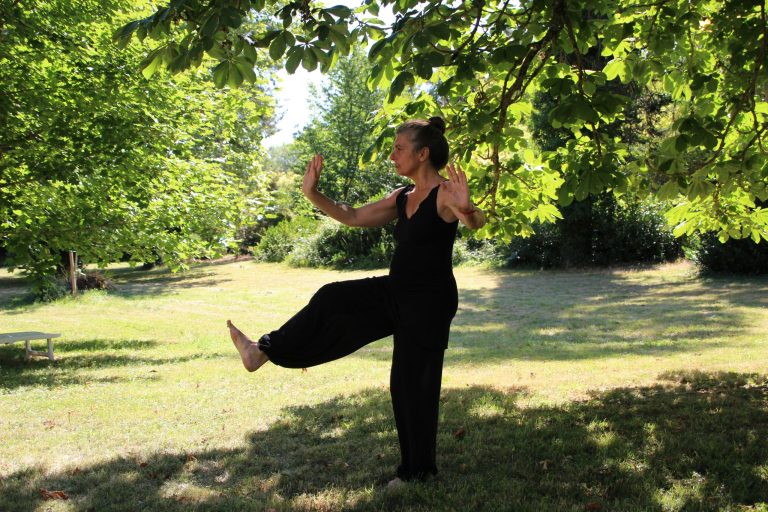
Tai Chi is a gentle form of martial arts focusing on slow, controlled movements that promote relaxation, balance, and flexibility. It’s perfect for those looking to incorporate mindfulness into their recovery routine.
Key Features:
- Enhances balance and coordination
- Improves mental focus
- Low impact and easy on joints
Pros:
- Suitable for all ages and fitness levels
- Can be practiced alone or in a group
- Promotes overall well-being
Cons:
- May take time to master
- Classes may not be readily available
- Requires patience and practice
How to Choose Your Active Recovery Activity
Consider your current fitness level, available resources, and what you enjoy doing. Alternate activities to keep your workouts fresh and engaging while ensuring your body is getting adequate recovery. Listen to your body and prioritize rest when needed!
#ActiveRecovery #WellnessJourney #FitnessIdeas #HealthAndWellness #MindfulMovement #FitnessInspiration #SelfCare #HealthyLifestyle