



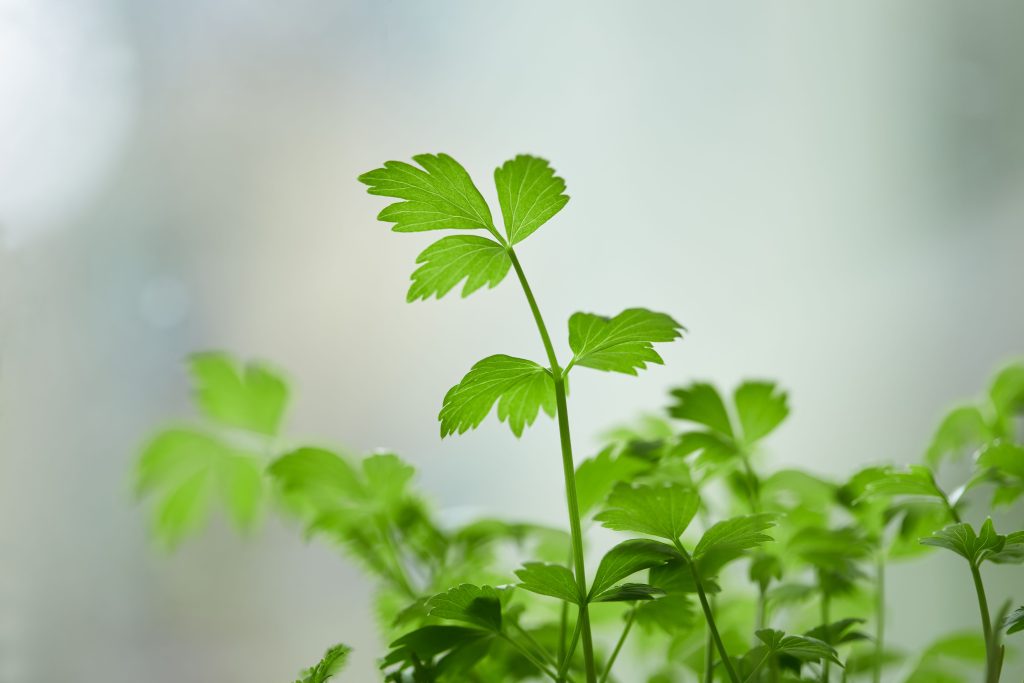
Are you tired of flavorless, store-bought herbs? Want to elevate your cooking with fresh, aromatic ingredients right from your garden? With the right organic gardening practices, you can grow a flourishing herb garden that not only enhances your dishes but also promotes health and sustainability.
This listicle explores the top six organic gardening practices tailored for growing fresh herbs, ensuring you enjoy the best flavors straight from your own backyard!
1. Choose the Right Location – Best for Optimal Growth
Selecting an appropriate site for your herb garden significantly affects your plants’ growth. Herbs generally thrive in full sunlight, requiring at least six hours of direct light daily.
Key Features:
- Sunlight exposure maximizes photosynthesis.
- Good drainage prevents root rot.
- Close proximity to the kitchen provides convenience.
Pros:
- Encourages healthy and vibrant growth.
- Improves accessibility for regular harvesting.
- Creates a pleasant outdoor environment.
Cons:
- Limited options in shaded areas.
- May conflict with existing landscaping.
- More prone to pests in crowded spaces.
2. Use Organic Soil – Best for Nutrient-Rich Growth
Key Features:
- Rich in beneficial microorganisms.
- Retains moisture effectively.
- Boosts natural fertility without chemicals.
Pros:
- Promotes healthy root development.
- Reduces the need for chemical fertilizers.
- Enhances overall plant health and flavor.
Cons:
- Can be more expensive than conventional soil.
- Requires initial research to find the best blends.
- May need frequent replenishment.
3. Practice Companion Planting – Best for Pest Control
Implementing companion planting methods can greatly reduce pest issues while optimizing growth. Certain herbs pair well together, enhancing each other’s flavor and deterring unwanted pests naturally.
Key Features:
- Enhances growth through mutual benefits.
- Natural pest deterrent properties.
- Improves biodiversity in the garden.
Pros:
- Reduces reliance on chemical pesticides.
- Increases the overall yield of the garden.
- Creates a balanced ecosystem.
Cons:
- Requires planning and knowledge of plant relationships.
- May have limited options for certain herbs.
- Difficulty in balancing needs of different plants.
4. Water Wisely – Best for Preventing Overwatering
Maintaining proper watering techniques is crucial for healthy herb growth. Too much water can lead to root rot, while too little can cause shriveling and poor growth.
Key Features:
- Encourages deep root development.
- Reduces disease risk through balanced moisture levels.
- Can be tailored to specific herb needs.
Pros:
- Promotes optimal growth conditions.
- Enhances flavor profiles of herbs.
- Improves soil quality over time.
Cons:
- Requires regular monitoring for best results.
- Time-consuming during dry spells.
- Inconsistent methods can harm plants.
5. Organic Pest Control – Best for Healthy Plants
Utilizing organic pest control measures ensures your herb garden remains free of harmful chemicals. Natural solutions keep your herbs healthy while protecting beneficial insects.
Key Features:
- Safe for humans and pets.
- Supports long-term garden health.
- Encourages the presence of pollinators.
Pros:
- Enhances the ecological balance of the garden.
- Promotes a healthy diet by avoiding chemicals.
- Long-lasting effects on pest populations.
Cons:
- May require more effort and monitoring.
- Can take time to show results.
- Limited solutions for severe infestations.
6. Regular Harvesting – Best for Continuous Growth
Harvesting your herbs regularly encourages bushy growth and helps maintain optimal flavor. Use proper techniques to ensure your plants continue to thrive.
Key Features:
- Stimulates new growth.
- Prevents flowering, which can alter flavor.
- Maximizes yield throughout the growing season.
Pros:
- Improves flower and leaf production.
- Increases your yield for culinary uses.
- Encourages plant health and resilience.
Cons:
- Requires knowledge of proper cutting techniques.
- Too much pruning can stress the plant.
- Needs commitment to regular care.
How to Choose the Best Practices for Your Herb Garden
To create a thriving organic herb garden, start by considering your climate and available space. Assess what herbs you want to grow and tailor your gardening practices to meet their specific requirements. Regularly monitor your garden to adjust practices as needed for optimal growth and health.
#OrganicGardening #FreshHerbs #HerbGarden #SustainableLiving #GreenThumb #GardeningTips #HomeCooking #PlantCare