


Understanding the intricate dynamics of marine ecosystems is crucial for appreciating the delicate balance of life in our oceans. These food webs are not just chains; they’re complex networks, where each organism plays a vital role in maintaining ecological harmony. Dive in as we explore the top six dynamics of marine ecosystem food webs that you need to know!
1. Phytoplankton – The Base of the Food Web
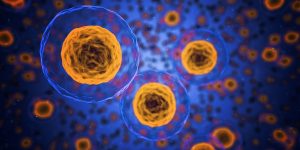
Phytoplankton are microscopic plants that form the foundation of marine food webs. These primary producers harness sunlight to produce energy through photosynthesis, serving as the primary food source for a vast array of marine animals.
Key Features:
- Photosynthetic organisms that produce oxygen.
- Form the basis for most marine food chains.
- Support a diverse range of marine life.
Pros:
- Essential for the survival of marine species.
- Contribute significantly to global oxygen production.
- Support various ecosystems, from coral reefs to open oceans.
Cons:
- Susceptible to changes in water temperature.
- Vulnerable to pollution and nutrient overload.
- Can experience harmful algal blooms under certain conditions.
2. Zooplankton – The Grazers of the Ocean
Following phytoplankton, zooplankton act as the grazing link in the food web, consuming these microscopic plants. This group includes tiny animals like copepods and larger species like jellyfish.
Key Features:
- Primary consumers that feed on phytoplankton.
- Integral part of the diet for many fish species.
- Indicator species for ecosystem health.
Pros:
- Supports a wide range of fish and other marine animals.
- Helps in nutrient cycling in the ocean.
- Key to the marine food web’s energy transfer efficiency.
Cons:
- Population fluctuations can impact higher trophic levels.
- Can be affected by climate change and ocean acidification.
- Vulnerable to overfishing of their predators.
3. Small Fish – The Foragers
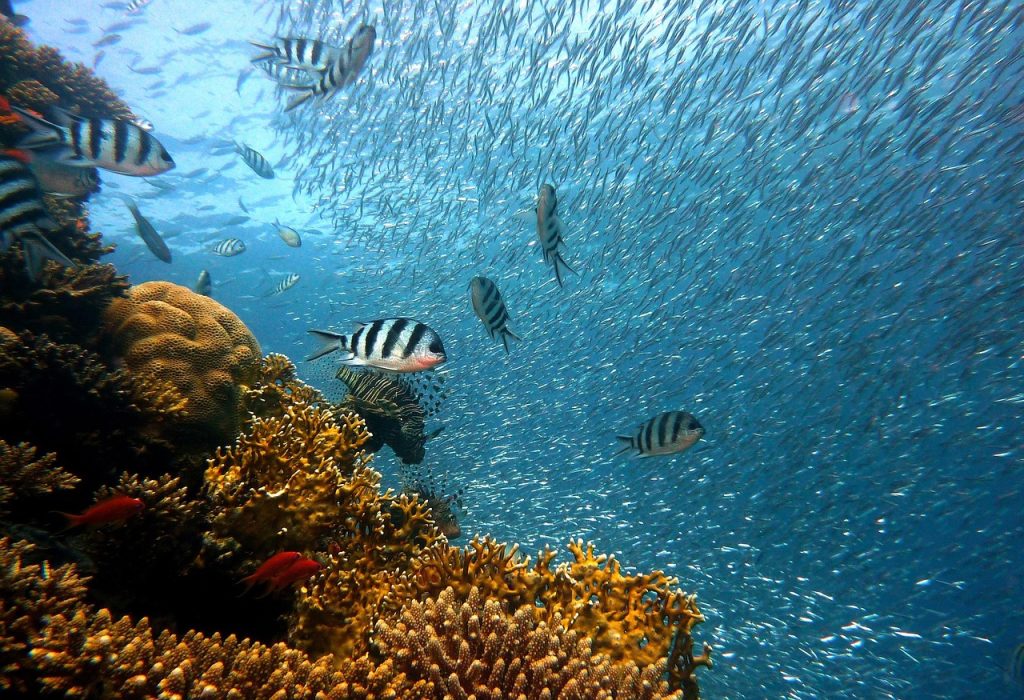
Small fish play a crucial role in marine food webs as they feed on zooplankton and in turn become prey for larger fish and marine mammals. They are vital for energy transfer within the ecosystem.
Key Features:
- Feed primarily on zooplankton and small planktonic organisms.
- Serve as bait for larger predator species.
- Community indicators of aquatic health.
Pros:
- High reproductive rates ensure population stability.
- Serve as a main food source for larger predators.
- Play a role in nutrient cycling and energy flow.
Cons:
- Vulnerable to overfishing and habitat loss.
- Population collapse can disrupt larger predator species.
- Sensitive to changes in water quality.
4. Larger Fish – Apex Predators
Larger fish such as tuna and sharks are essential in regulating the populations of smaller fish, maintaining the balance of marine life. They are often apex predators in their ecosystems.
Key Features:
- Expert hunters that control the populations of smaller fish.
- Key indicators of ocean health due to their sensitivity to environmental changes.
- Support commercial fishing and recreational industries.
Pros:
- Maintain the health and balance of marine populations.
- Promote biodiversity within the ecosystem.
- Integral to many human economies through fishing.
Cons:
- Sensitive to overfishing and habitat destruction.
- Vulnerable to the effects of climate change.
- Interlinked with many other species, leading to cascading effects if removed.
5. Marine Mammals – Complex Interactions
Marine mammals like dolphins and seals play an important role in marine ecosystems, providing ecological services and contributing to the food web as both predators and prey.
Key Features:
- Top predators that regulate fish populations.
- Highly social and intelligent creatures.
- Sensitive to environmental changes and human activities.
Pros:
- Contribute to ocean ecosystem health and resilience.
- Attract ecotourism, boosting local economies.
- Serve as indicators of ocean health due to their position in the food web.
Cons:
- Highly susceptible to habitat loss and pollution.
- Adversely affected by climate change and ocean acidification.
- Face threats from hunting and bycatch in fisheries.
6. Decomposers – Nature’s Clean-Up Crew
In the marine environment, decomposers such as bacteria and fungi play a critical role in recycling nutrients back into the ecosystem. They break down dead matter, returning essential nutrients to the water.
Key Features:
- Essential for nutrient recycling in ocean ecosystems.
- Break down organic material, making nutrients available for primary producers.
- Support the health of the marine environment.
Pros:
- Maintain nutrient balance critical for ecosystem function.
- Important for soil and water quality.
- Heavily involved in stabilizing the ecosystem.
Cons:
- Can be negatively impacted by pollution and changes in habitat.
- Overfeeding can lead to imbalances in nutrient cycling.
- Some bacteria can become harmful in certain conditions.
How to Choose the Right Marine Ecosystem Perspectives
When studying marine food webs, it’s important to consider the interconnectedness of all species and how changes in one level can impact the entire ecosystem. Whether through research, conservation efforts, or simply appreciation of marine life, understanding these dynamics will help promote a healthier ocean.
#MarineEcosystem #FoodWebDynamics #MarineConservation #OceanLife #Biodiversity #Phytoplankton #MarineMammals #Ecology