


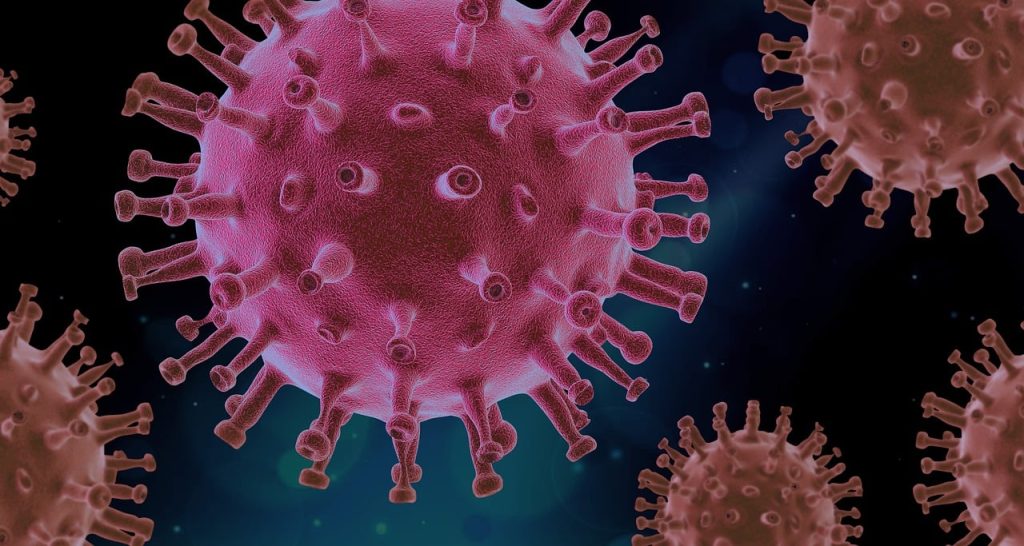
Understanding the viral replication cycle is crucial for virologists and health professionals alike. This intricate process is key to comprehending how viruses infect hosts, reproduce, and spread. In this article, we’ll dive into the top 5 stages of the viral replication cycle along with their significance and implications for viral treatment and prevention.
Each stage provides unique insights into viral behavior and challenges in combating infections. Ready to enhance your virology knowledge? Let’s explore these vital stages!
1. Attachment – The First Step in Infection
The first step in the viral replication cycle is attachment, where the virus binds to the host cell’s surface. This is a critical stage that determines whether the virus can infect the host.
Key Features:
- Engagement of specific receptor proteins.
- Enables virus entry into the host cell.
- Initial barrier against host immune defenses.
Pros:
- Establishes the foothold for subsequent infection.
- Facilitates enhanced specificity for the virus.
- Opens avenues for targeted antiviral therapies.
Cons:
- Requires specific cellular receptors, limiting range.
- Viral mutations can evade receptor recognition.
- Vulnerability to environmental conditions affecting receptor presence.
2. Penetration – Getting Inside the Host Cell
After a successful attachment, the virus must penetrate the host cell membrane. This stage can occur through various mechanisms, such as endocytosis or direct fusion.
Key Features:
- Utilization of cellular machinery for entry.
- Varies by virus type and host cell interaction.
- Critical for establishing infection.
Pros:
- Enables the virus to exploit cellular resources.
- Paves the way for viral genome release.
- Provides insights for vaccine development.
Cons:
- Potential for host cell damage during entry.
- Some viruses can induce apoptosis.
- Antiviral strategies can target penetration mechanisms.
3. Uncoating – Releasing the Viral Genome
Uncoating is the process by which the virus sheds its protective coat, releasing its genetic material into the host cell. This step is crucial for the virus’s replication machinery to take over.
Key Features:
- Completes entry of viral elements into the host.
- Triggers downstream replication activities.
- Essential for RNA and DNA viruses.
Pros:
- Allows for immediate transcription and replication.
- Targets for antiviral drug design.
- Facilitates the integration of viral DNA in certain viruses.
Cons:
- Vulnerable to host’s immune response during this phase.
- Errors in uncoating can lead to ineffective viral replication.
- Some viruses can alter host cellular pathways.
4. Replication – Viral Genome Duplication
In this pivotal stage, the viral genome is replicated, producing new viral RNA or DNA. This process is tailored to the type of virus and relies on host cellular machinery.
Key Features:
- Formation of multiple copies of the viral genome.
- Production of mRNA for viral protein synthesis.
- Exploit host cell enzymes for replication.
Pros:
- Rapid increase in viral load.
- Facilitates gene expression and viral assembly.
- Potential target for antiretroviral therapies.
Cons:
- Dependence on host’s enzymatic processes.
- Potential for mutations during replication.
- High viral loads can overwhelm the immune system.
5. Assembly and Release – Spreading the Infection
Finally, the newly formed viral particles are assembled and released from the host cell, ready to infect new cells. This stage completes the viral cycle and initiates further infection.
Key Features:
- Forming mature viral particles.
- Utilizing cellular membranes for enveloped viruses.
- Can trigger cell lysis or budding for release.
Pros:
- Facilitates rapid spread of the virus.
- Allows for persistence of the infection.
- Important for developing failure-resistant vaccines.
Cons:
- Can lead to host cell damage upon release.
- Risk of generating new viral strains.
- Overwhelms the immune response, leading to disease.
How to Choose a Viral Replication Study
When selecting a viral replication study, consider the virus type, your research objectives, and the potential implications for treatment and prevention strategies. Understanding these stages can help inform targeted interventions and enhance therapeutic techniques.
#Virology #ViralReplication #Infection #Cells #VirusStudy #BioResearch #MolecularBiology