



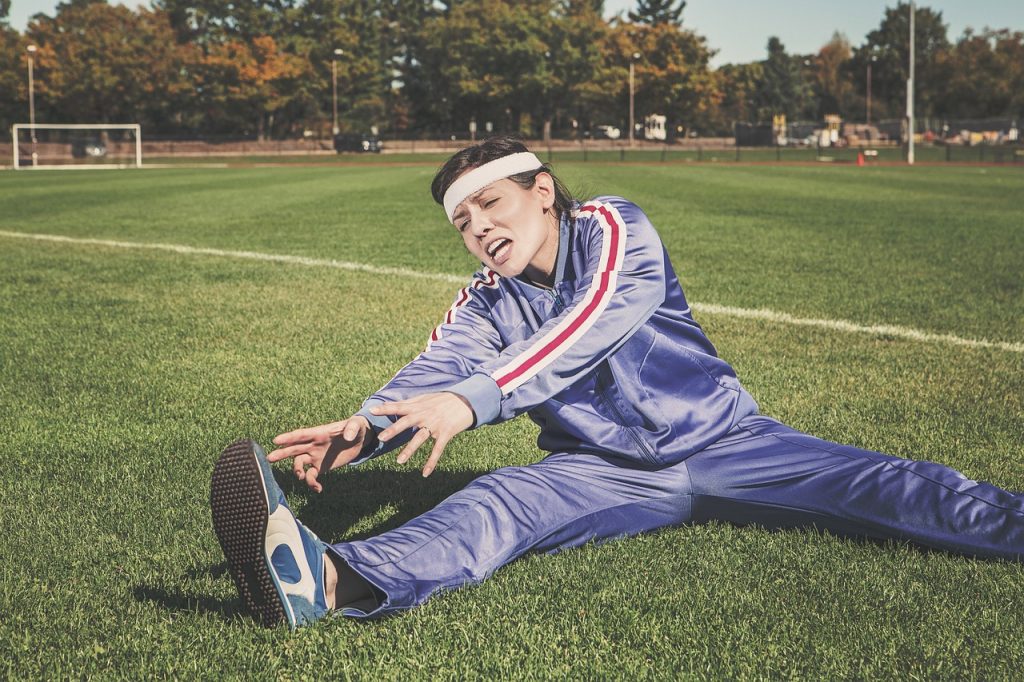
As a growing athlete, stretching is essential not just for flexibility but also for injury prevention. However, with so many options available, it can be overwhelming to find the right routines that are both effective and safe. This list highlights the top five stretching routines tailored for teen athletes, promoting growth and health in every movement.
Let’s dive into the best stretching routines that will keep young athletes limber and ready for peak performance!
1. Dynamic Warm-Up Routine – Best For Pre-Workout Preparation
This dynamic warm-up routine is designed to get teen athletes moving and ready for action. It incorporates mobility exercises that promote blood flow to the muscles and prepare the body for the demands of sports.
Key Features:
- Involves light cardiovascular activities
- Enhances muscle elasticity and range of motion
- Promotes overall athletic performance
Pros:
- Quick and easy to follow
- Reduces chance of injury during workouts
- Can be done anywhere without equipment
Cons:
- May require some supervision for proper form
- Some exercises may not suit all sports
2. Static Stretching Routine – Best For Post-Workout Recovery
This static stretching routine is perfect for cooling down after exercise. It helps to relax the muscles and improve flexibility which is essential for young athletes in their growth phase.
Key Features:
- Targets major muscle groups
- Improves flexibility over time
- Can help reduce muscle soreness
Pros:
- Promotes recovery after intense workouts
- Easy to incorporate into any post-workout routine
- Helps in maintaining flexibility
Cons:
- Not suitable as a warm-up
- Requires time to see significant flexibility improvements
3. Yoga for Athletes – Best For Balance and Mental Focus
This yoga routine is tailored for teen athletes, focusing on poses that enhance balance, mental clarity, and overall body flexibility. It’s not just about physical stretching; it also integrates breathwork and mindfulness.
Key Features:
- Combines stretching with breathing techniques
- Enhances mental focus and stress relief
- Improves core strength and stability
Pros:
- Can improve overall athletic performance
- Suitable for athletes of all skill levels
- Provides a holistic approach to training
Cons:
- Requires commitment to see benefits
- Some poses may be challenging for beginners
4. Foam Rolling Routine – Best For Muscle Release
Foam rolling is an excellent addition to any stretching routine. It helps in releasing muscle tightness and improving blood flow, which is ideal for growing athletes needing extra recovery care.
Key Features:
- Targets muscle knots and tension
- Promotes recovery by enhancing circulation
- Easy to use and relatively affordable
Pros:
- Can be performed anytime
- Helps alleviate muscle soreness
- Improves range of motion
Cons:
- May be uncomfortable initially
- Requires proper technique for effectiveness
5. Sport-Specific Stretching – Best For Individual Sports
This routine focuses on stretches tailored to the specific needs of various sports, ensuring that athletes target areas critical for their performance and safety.
Key Features:
- Customized stretches for different sports
- Addresses sport-specific muscle groups
- Enhances overall sport performance
Pros:
- Tailored approach for maximum effectiveness
- Helps prevent sport-related injuries
- Encourages engagement from athletes
Cons:
- May require guidance from a coach
- Can be time-consuming to develop
How to Choose the Right Stretching Routine
When selecting a stretching routine, consider the athlete’s specific sport, their current level of flexibility, and any past injuries. Incorporate a mix of dynamic and static stretches while ensuring proper technique to maximize benefits and minimize injury risk. Aim for a well-rounded regimen that includes recovery, mobility, and sport-specific needs.
#TeenAthletes #StretchingRoutines #YouthSports #InjuryPrevention #FitnessForTeens #AthleticPerformance #HealthyGrowth