


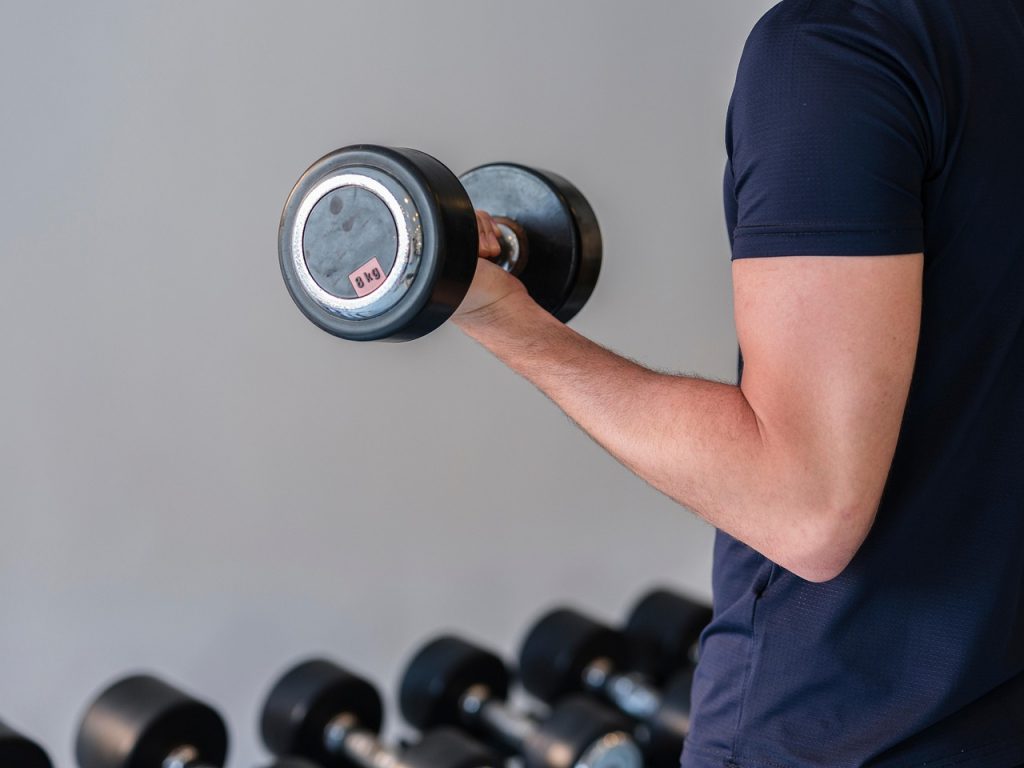
Did you know that resistance training is not just for building muscles but also crucial for maintaining skeletal health? As we age, our bones can weaken, leading to a higher risk of fractures and osteoporosis. Incorporating the right resistance exercises into your routine can significantly enhance your bone density and overall strength. This article explores the top five resistance training moves you must include for better skeletal health!
From simple moves you can do at home to gym exercises that are easy to add to your routine, these exercises will help you build stronger bones and maintain a healthy lifestyle. Let’s dive in!
1. Squats – Best for Lower Body Strength
Squats are a fantastic compound exercise that targets multiple muscle groups, particularly the quadriceps, hamstrings, and glutes. This move promotes bone density in the lower body, making it essential for skeletal health.
Key Features:
- Targets multiple muscles in the lower body.
- Enhances core stability.
- Can be performed with or without weights.
Pros:
- Improves balance and coordination.
- Can be modified for all fitness levels.
- Strengthens bones in the legs and hips.
Cons:
- Poor form can lead to injury.
- May cause knee pain if not done correctly.
2. Deadlifts – Best for Overall Body Strength
Deadlifts are a powerhouse of an exercise, effectively working the posterior chain including hamstrings, glutes, and lower back. They are excellent for enhancing overall body strength and promoting bone health through weight-bearing activities.
Key Features:
- Engages multiple muscle groups.
- Enhances grip strength.
- Improves posture and spinal alignment.
Pros:
- Boosts metabolism due to muscle engagement.
- Promotes healthy bones and joints.
- Increases functional strength for daily activities.
Cons:
- Can be intimidating for beginners.
- Risk of injury with improper form.
3. Push-Ups – Best for Upper Body Endurance
Push-ups are a classic bodyweight exercise that not only strengthens the muscles of the chest, shoulders, and triceps but also supports bone health by encouraging stability and strength in the upper body.
Key Features:
- Strengthens the upper body and core.
- No equipment needed.
- Can be modified for difficulty levels.
Pros:
- Convenient for home workouts.
- Engages multiple muscle groups simultaneously.
- Enhances muscular endurance.
Cons:
- Can be challenging for beginners without modifications.
- Wrist discomfort for some individuals.
4. Lunges – Best for Hip and Leg Strength
Lunges are exceptional for targeting the legs and glutes while also improving balance and coordination. They provide a great way to work on lower body strength which is crucial for maintaining skeletal health.
Key Features:
- Works all major muscle groups in the lower body.
- Improves balance and coordination.
- Can be done in various directions (forward, backward, lateral).
Pros:
- Flexible exercise that can be performed anywhere.
- Helps prevent injuries by improving joint stability.
- Encourages functional strength for day-to-day movements.
Cons:
- Knee strain if not done correctly.
- Requires good balance to perform effectively.
5. Planks – Best for Core Strength
Planks are an isometric exercise that not only strengthens the core but also engages the entire body. A strong core aids in maintaining proper posture and reducing the risk of injuries, especially as we age.
Key Features:
- Activates multiple muscle groups at once.
- Improves stability and balance.
- Can be modified for different skill levels.
Pros:
- Strengthens the core significantly.
- Requires no equipment.
- Improves overall body strength and endurance.
Cons:
- Can be challenging for beginners.
- Poor form can lead to back pain.
How to Choose
When choosing resistance training moves for skeletal health, consider the following factors: your current fitness level, any pre-existing injuries, the availability of equipment, and personal goals. Start with bodyweight exercises to learn proper form and gradually incorporate weights to further challenge your bones and muscles. Remember to allow recovery time between workouts and focus on a balanced routine that includes strength, flexibility, and cardiovascular components for optimal health.
#ResistanceTraining #SkeletalHealth #BoneStrength #FitnessTips #HealthyBones #StrengthTraining #ExerciseForHealth #FitLifestyle