



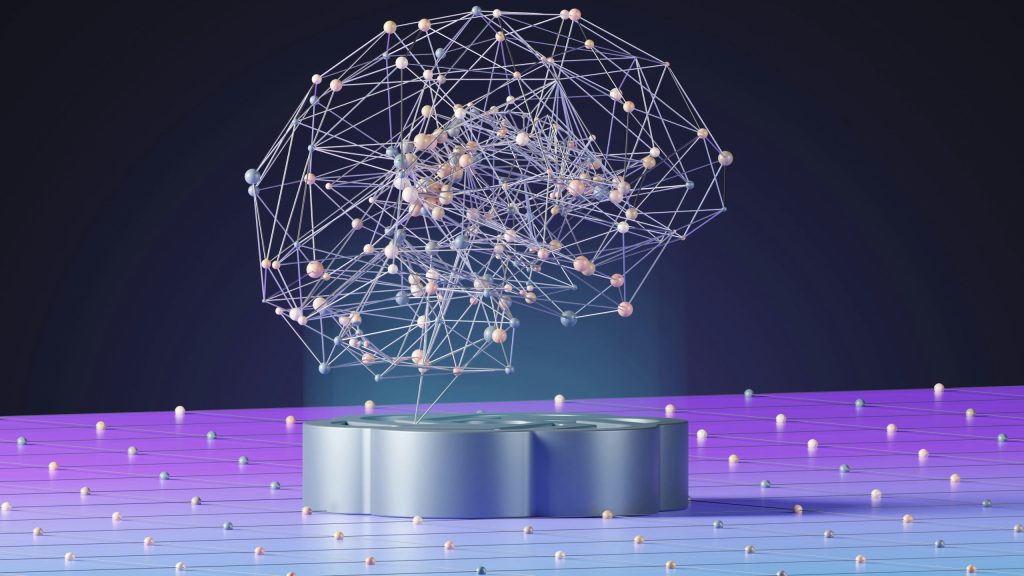
Neuroscience is making colossal leaps forward, particularly with the development of artificial neural interfaces (ANIs). These groundbreaking advancements are allowing for unprecedented communication between the brain and machines, opening up new frontiers in medicine and technology. If you’re intrigued by the merging of human intelligence with artificial capabilities, this listicle is for you!
Join us as we explore the top 5 fascinating discoveries that are reshaping how we understand the brain and its interaction with technology. Each discovery promises not only scientific innovation but also practical applications that could change lives.
1. Brain-Computer Interfaces (BCIs) – Enabling Movement for the Paralysed
Brain-Computer Interfaces have changed the game for individuals with mobility impairments. They allow users to control devices directly with their thoughts, providing newfound independence.
Key Features:
- Direct communication between the brain and electronic devices.
- Ability to control robotic arms and wheelchairs using brain signals.
- Advancements in non-invasive technology are increasing accessibility.
Pros:
- Empowers people with disabilities.
- Encourages independence and improved quality of life.
- Offers potential for advancements in rehabilitation therapies.
Cons:
- Still in the early stages of development for widespread use.
- High costs for advanced technology.
- Potential for ethical concerns and privacy issues.
2. Neural Dust – Revolutionizing Brain Monitoring
Neural Dust is a novel approach that uses tiny, wireless sensors to monitor brain activity in real-time. This technology allows for ongoing observation of neuronal health and function.
Key Features:
- Ultrasonic signals are used for communication.
- Allows for high-resolution monitoring without invasive procedures.
- Potential applications in understanding neurological disorders.
Pros:
- Non-invasive and potentially more comfortable for patients.
- Real-time data collection improves patient monitoring.
- Expands research opportunities in neuroscience.
Cons:
- Current technology is still in experimental stages.
- Long-term effects and reliability are yet to be fully understood.
- Cost and fabrication complexity can be significant.
3. Neuroprosthetics – Restoring Lost Senses
Neuroprosthetics integrate artificial devices that replace lost sensory functions—most notably in hearing and vision. Recent advancements are enabling users to regain abilities they thought were permanently lost.
Key Features:
- Devices can effectively stimulate the nervous system to restore functionalities.
- Potential to enhance existing senses and capabilities.
- Personalized programming based on user needs.
Pros:
- Significant improvements in quality of life for users.
- Offers opportunities for improved interaction with the environment.
- Expanding capabilities beyond natural limitations.
Cons:
- Complex fitting and adjustment processes.
- May not work for all users due to variability in brain responses.
- Requires ongoing maintenance and updates.
4. Optogenetics – Lighting Up Neuronal Activity
Optogenetics is a revolutionary technology that allows researchers to control neurons using light, providing insights into brain functions and guiding future treatments for neurological disorders.
Key Features:
- Using genetically modified neurons that respond to light.
- Ability to activate or deactivate specific neural circuits.
- Key insights into the treatment of epilepsy, depression, and other disorders.
Pros:
- Enables highly precise control of brain activity.
- Promotes understanding of previously obscured neural mechanisms.
- Potential applications in creating new therapies.
Cons:
- Ethical concerns surrounding genetic modifications.
- Requires invasive procedures to introduce light-sensitive proteins.
- Logistical challenges in translating research into practical applications.
5. Brain-to-Brain Communication – Sharing Thoughts Directly
This emerging field explores the possibility of direct communication between brains via artificial interfaces. Initial studies have shown that it could allow for thought sharing without spoken language.
Key Features:
- Utilizes BCIs to transmit thoughts between individuals.
- Potential applications in enhancing collaborative task completion.
- Insights into the mechanisms of thought processes.
Pros:
- Pioneers a new form of human interaction and communication.
- Potential to help those with speech and language disorders.
- Spurs curiosity about human cognitive capabilities.
Cons:
- Still in experimental stages and far from practical application.
- Risks associated with privacy and mental space.
- Technological limitations in transmitting complex thoughts.
How to Choose the Right Artificial Neural Interface Technology
When selecting an artificial neural interface technology, consider your needs, the specific application of the technology, and the stage of development. Evaluate factors such as comfort, invasiveness, and costs associated with each option. Joining discussions in online communities or with professionals in the field can also provide valuable insights.
#Neuroscience #ArtificialIntelligence #BrainComputerInterfaces #NeuralInterfaces #Neuroprosthetics #InnovationInScience #BCI #Optogenetics