


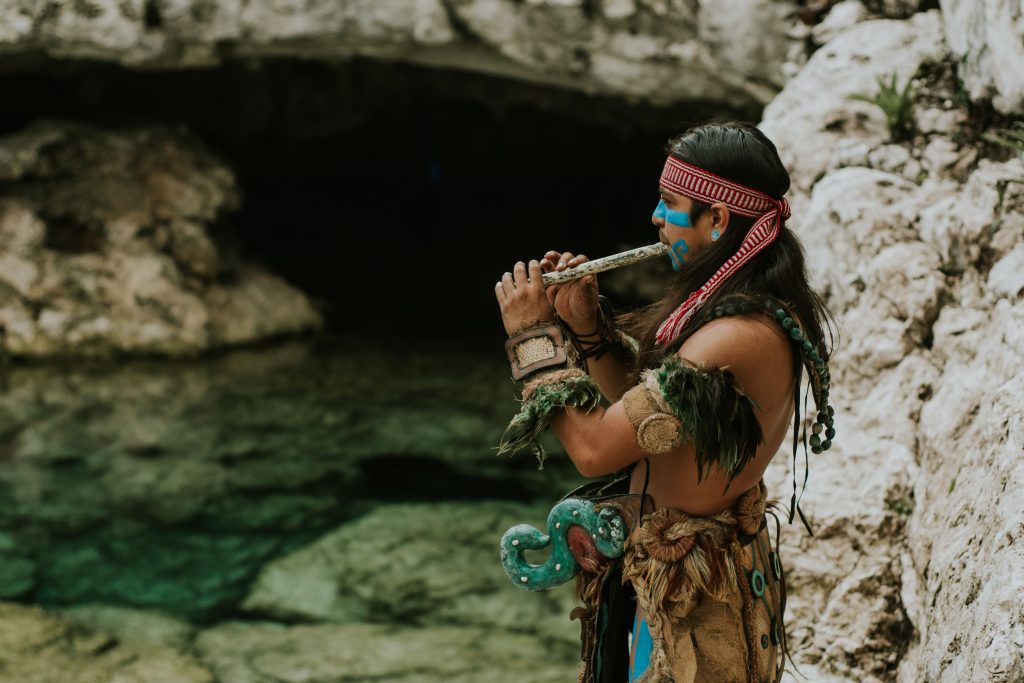
Indigenous art and cultural heritage centers are treasure troves of tradition, creativity, and storytelling. They offer a unique glimpse into the rich histories and vibrant cultures of Indigenous peoples around the world. Discovering these centers not only enriches your understanding but also supports local communities and initiatives.
In this list, we’ve highlighted the top five Indigenous art and cultural heritage centers that showcase remarkable artistry and cultural narratives. Let’s explore these vibrant spaces that serve as essential platforms for cultural expression.
1. National Museum of the American Indian – Best For Comprehensive Indigenous History
Located in Washington, DC, the National Museum of the American Indian offers an unparalleled insight into the diverse histories, cultures, and artistry of Native Americans across the globe. Its impressive collection and engaging exhibitions make it a must-visit.
Key Features:
- Extensive collection of over 800,000 artifacts.
- Interactive exhibits and educational programs.
- A beautiful architectural design inspired by Indigenous traditions.
Pros:
- Free admission for all visitors.
- Diverse range of exhibits from various tribal nations.
- On-site dining featuring Indigenous foods.
Cons:
- Can get crowded during peak tourist seasons.
- Limited parking around the museum.
2. Heard Museum – Best For Native American Art
Situated in Phoenix, Arizona, the Heard Museum celebrates Native American art and culture through its comprehensive exhibitions and events. Known for its rich collection of contemporary and traditional artwork, the museum fosters a deeper appreciation of Indigenous artistry.
Key Features:
- Yearly events showcasing Native American artists.
- Permanent collection of over 40,000 artifacts.
- Innovative educational programs and workshops.
Pros:
- Focus on authentic Native American experiences.
- Beautifully landscaped outdoor spaces.
- Engaging and informative guided tours.
Cons:
- General admission fee required.
- Exhibits change occasionally, so check ahead.
3. The Royal British Columbia Museum – Best For Coastal Indigenous Cultures
In Victoria, Canada, the Royal British Columbia Museum presents the history and culture of the Indigenous peoples of British Columbia. It features significant artifacts and art from the First Nations, highlighting their rich storytelling traditions.
Key Features:
- Extensive displays of Indigenous art, especially totem poles.
- Research and educational opportunities.
- Unique exhibitions on climate change and Indigenous knowledge.
Pros:
- Multi-faceted approach to exhibits combining science and culture.
- Accessible location near the downtown area.
- Welcoming atmosphere for all visitors.
Cons:
- Admission fees can vary for special exhibitions.
- Some exhibits may require time to fully appreciate.
4. Australian Museum – Best For Aboriginal Art
Based in Sydney, the Australian Museum houses a wealth of Indigenous Australian history and culture. The museum focuses on the rich aesthetic and storytelling practices of Aboriginal and Torres Strait Islander peoples, featuring dynamic displays and educational initiatives.
Key Features:
- Vast collections of Indigenous artifacts and art.
- Special exhibitions highlighting contemporary Indigenous artists.
- Extensive educational resources for schools and communities.
Pros:
- Engaging exhibitions appealing to all ages.
- Promotes cultural understanding and reconciliation.
- Interactive learning experiences available.
Cons:
- Visitor numbers can lead to busy exhibits.
- Some displays may rotate frequently.
5. Annenberg Space for Photography – Best For Visual Storytelling
Located in Los Angeles, California, the Annenberg Space for Photography often features powerful exhibitions focusing on Indigenous themes and stories through photography. It’s an innovative space that presents distinctive narratives from Indigenous perspectives.
Key Features:
- High-quality photographic exhibitions featuring Indigenous photographers.
- Free admission, making art accessible to everyone.
- Regularly hosts events and discussions around Indigenous issues.
Pros:
- Exceptional visual storytelling capacity.
- Unique blend of art and social justice themes.
- Opportunity to connect with artists directly through events.
Cons:
- Smaller venue compared to larger museums.
- Limited exhibits focusing solely on Indigenous art.
How to Choose the Right Heritage Center to Visit
When selecting an Indigenous art and cultural heritage center to explore, consider what interests you most: specific cultural narratives, artistic forms, or historical significance. Check for special exhibitions and events aligning with your interests, and, if possible, plan your visit during community events to experience the culture fully. Supporting these centers is vital to preserving and promoting Indigenous heritage.
#IndigenousArt #CulturalHeritage #SupportIndigenousArtists #VisitMuseums #ArtCenters #CulturalEducation #ExploreDiversity #IndigenousCulture