



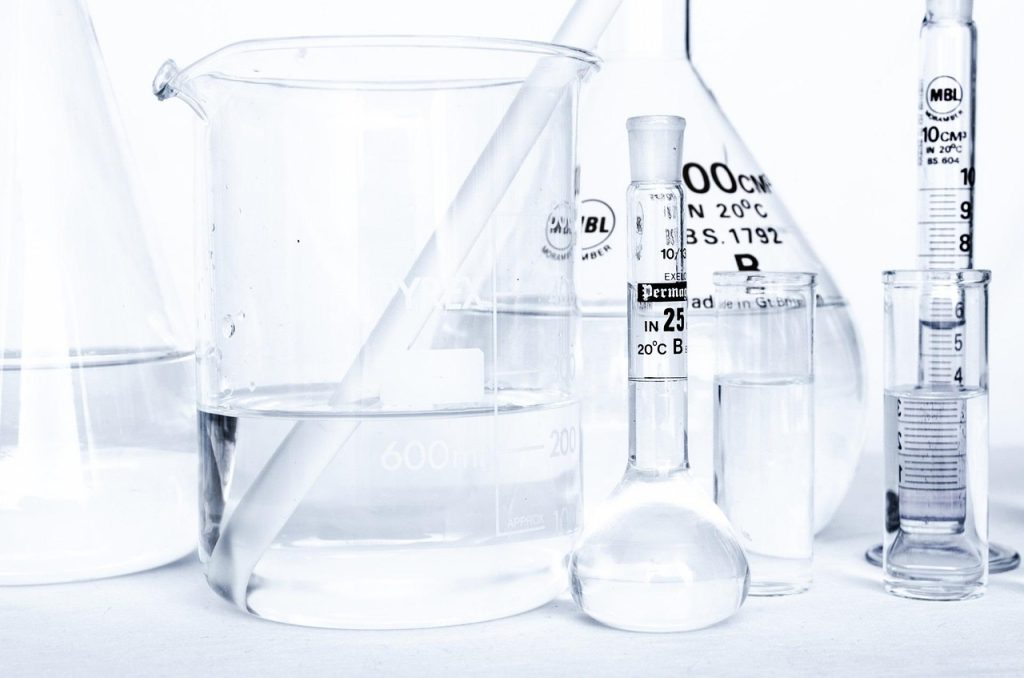
As industries strive for sustainability, ionic liquid solvents are emerging as a game-changing solution in green chemistry. These unique solvents offer a multitude of benefits, including reduced environmental impact, lower toxicity, and enhanced efficiency in various applications. Dive into our list of the top five applications for ionic liquid solvents and discover how they are revolutionizing chemical processes!
1. Extraction of Bioactive Compounds – Best For Eco-Friendly Sourcing
Ionic liquid solvents are extensively used in the extraction of bioactive compounds from natural resources, providing a greener alternative to traditional solvents. This method not only improves yield but also preserves the integrity of sensitive compounds.
Key Features:
- High selectivity for desired compounds
- Reduced solvent waste
- Ability to extract from complex matrices
Pros:
- Environmentally friendly
- Less toxic compared to conventional solvents
- Improves extraction efficiency
Cons:
- Higher initial costs
- Complex recovery methods
- Potential viscosity issues
2. Catalysis in Organic Synthesis – Best For Enhanced Reaction Efficiency
Ionic liquids serve as exceptional media for various catalytic reactions in organic synthesis. Their unique properties help facilitate faster reactions while minimizing by-products, making them ideal for sustainable manufacturing processes.
Key Features:
- Stability under extreme conditions
- High solubilizing ability
- Facilitates easy product separation
Pros:
- Reduces energy consumption
- Enhances product purity
- Reusable solvent system
Cons:
- Limited scalability
- Specific ionic liquid required for certain reactions
- Requires careful handling to avoid degradation
3. CO2 Capture and Separation – Best For Reducing Carbon Footprint
Ionic liquids offer a promising route for carbon dioxide capture and separation due to their ability to selectively absorb CO2. This application is crucial in addressing climate change while providing a sustainable solution for gas separation processes.
Key Features:
- High CO2 solubility
- Low volatility and toxicity
- Recyclable options available
Pros:
- Effective at low concentrations
- Minimizes energy requirements
- Promotes environmental sustainability
Cons:
- Potential for environmental contamination
- Recycling processes may be complex
- Initial investment costs can be high
4. Electrochemistry Applications – Best For Advanced Energy Storage
Ionic liquids are increasingly being employed in electrochemical devices such as batteries and supercapacitors. They provide high ionic conductivity and stability, resulting in improved energy efficiency and performance.
Key Features:
- Wide electrochemical window
- Non-flammable nature
- Enhanced thermal stability
Pros:
- Longer battery life
- Higher energy densities
- Reduced risk of leakage
Cons:
- Market availability is limited
- Higher costs compared to conventional solutions
- Need ongoing research for optimization
5. Green Solvents for Polymerization – Best For Sustainable Material Production
The use of ionic liquids as green solvents in polymerization processes enhances the eco-friendliness of producing various polymers. They allow for effective control over molecular weight and polymer properties, leading to better product performance.
Key Features:
- Facilitates high conversion rates
- Reduces hazardous waste
- Enables versatility in polymer types
Pros:
- Improves overall polymer quality
- Environmentally sustainable approach
- Reusable solvent system
Cons:
- Higher initial investment
- Complex processing requirements
- Potential for viscosity challenges
How to Choose the Right Ionic Liquid Solvent
When selecting an ionic liquid solvent for your application, consider the following factors:
- The specific chemical reaction or process
- Compatibility with other materials involved
- Environmental impact and sustainability goals
Incorporating ionic liquids in your projects can lead to groundbreaking advancements and significant benefits. Take the leap into a greener future!
#GreenChemistry #IonicLiquids #SustainableSolutions #EcoFriendly #ChemicalEngineering #GreenTechnology #EnvironmentallyFriendly #ChemicalInnovation