


Your core plays a vital role in heavy lifting, acting as a stabilizer for your body and transferring power efficiently. Without a strong core, you risk injury and compromised lifting techniques. Luckily, with the right stabilization drills, you can enhance your core strength and lifting safety.
In this article, we’re exploring the top five core stabilization drills that will not only improve your lifting safety but also boost your overall performance in the gym. Let’s get started!
1. Plank Hold – Best for Building Endurance
The plank hold is a classic core stabilization drill that targets your entire core. It helps build endurance, which is crucial for maintaining proper lifting techniques when handling heavy weights.
Key Features:
- Targets multiple muscle groups, including the abs, back, and shoulders.
- Improves overall stability and posture.
- Can be modified with various arm and leg positions.
Pros:
- Requires no equipment.
- Easily customizable for different fitness levels.
- Can be done anywhere, making it convenient.
Cons:
- Can strain the lower back if not done correctly.
- May involve discomfort if held for too long.
- Progress can be slow without variation.
2. Dead Bug Exercise – Best for Coordination
The Dead Bug exercise is superb for enhancing coordination and strength in your core. It requires you to stabilize your torso while moving your limbs, mimicking the stability required during heavy lifts.
Key Features:
- Focuses on maintaining core tension.
- Improves coordination between upper and lower body.
- Low impact, perfect for all fitness levels.
Pros:
- Engages multiple muscle groups synergistically.
- Easy to modify by adjusting limb movements.
- Great for rehabilitation and preventative training.
Cons:
- Can be challenging for beginners to master the form.
- Requires concentration to maintain proper technique.
- May not feel intense enough for advanced lifters.
3. Russian Twist – Best for Rotational Strength
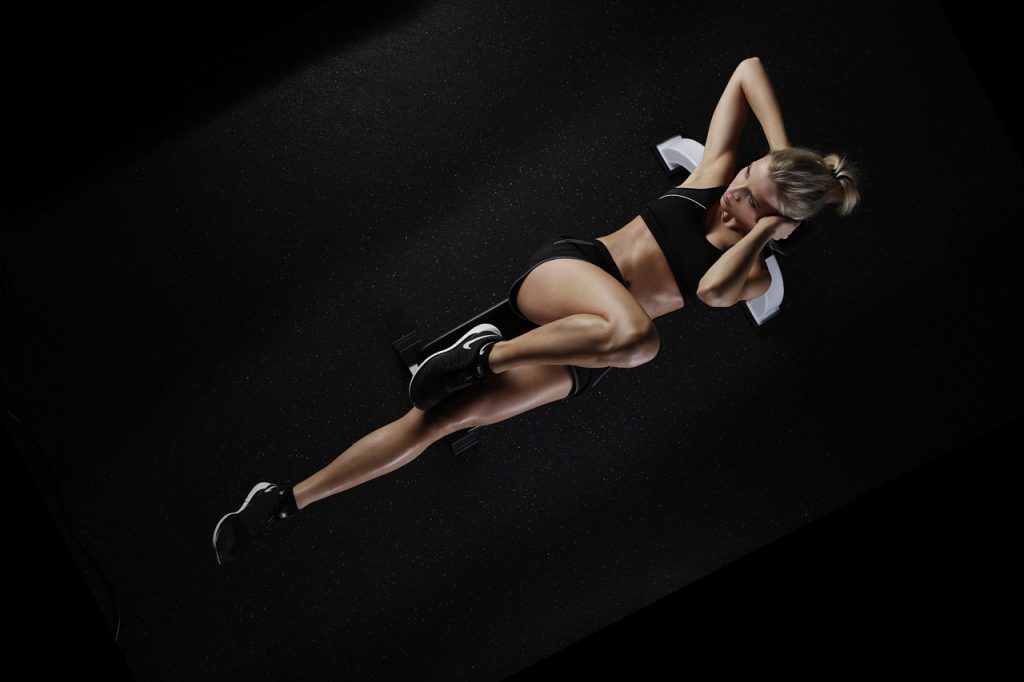
The Russian twist is excellent for developing rotational strength and stability, which is crucial for lifting heavy and preventing injury. This drill emphasizes a strong core during movements that require twisting.
Key Features:
- Engages obliques and entire core.
- Can be performed with or without weights.
- Enhances flexibility and balance.
Pros:
- Great for building core strength in a dynamic way.
- Can be easily incorporated into workouts.
- Improves performance in sports requiring rotational power.
Cons:
- Risk of improper form causing lower back strain.
- Requires a flat surface for optimal execution.
- May need weights to increase intensity over time.
4. Side Plank – Best for Lateral Stability
The side plank focuses on building lateral stability and strength, crucial for heavy lifting. It targets the obliques while also improving shoulder stability and balance.
Key Features:
- Challenges both the upper and lower body.
- Can be performed with variations for increased challenge.
- Enhances balance and stability.
Pros:
- Strengthens the entire core, particularly the sides.
- Minimal equipment needed; no gym required.
- A variety of modifications to accommodate fitness levels.
Cons:
- Can be difficult for those with wrist issues.
- Requires practice to achieve good form.
- Not suitable for everyone depending on current fitness level.
5. Stability Ball Rollout – Best for Advanced Stability
The stability ball rollout is a dynamic exercise that challenges your core stability in an advanced manner. Using a stability ball, this drill requires core engagement and control, making it perfect for heavy lifters looking for additional stability.
Key Features:
- Increases core strength and stability.
- Enhances flexibility in the hip flexors and shoulders.
- Promotes proper lifting posture.
Pros:
- Highly effective for advanced core training.
- Improves coordination and strength simultaneously.
- Can be performed in different variations.
Cons:
- Requires a stability ball, which may not be available to everyone.
- Can risk injury if done without proper form.
- May need supervision for beginners to ensure safety.
How to Choose the Right Core Stabilization Drill
Choosing the best core stabilization drill for heavy lifting safety should depend on your current fitness level, core strength, and lifting goals. Beginners should start with basic drills like planks or dead bugs before progressing to more advanced exercises like stability ball rollouts. Always prioritize form over quantity to avoid injury.
#CoreStabilization #HeavyLifting #FitnessDrills #StrengthTraining #WorkoutSafety #GymTips #FitFam