

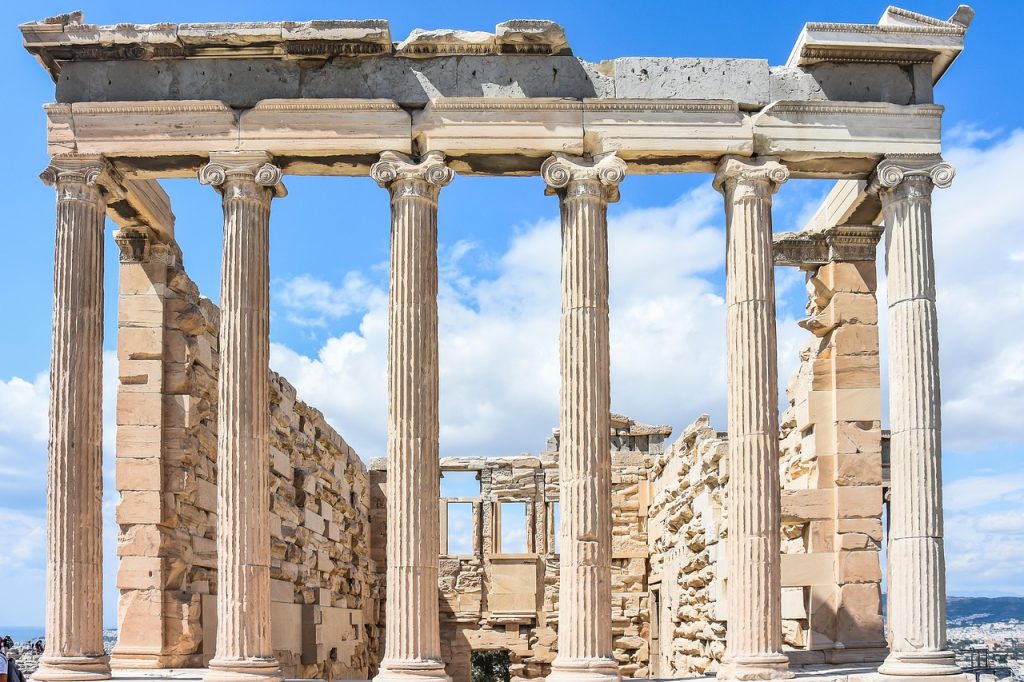
Classical Greek architecture is renowned for its impeccable proportions and harmonious design, serving as a benchmark for beauty and functionality in structures worldwide. Understanding the fundamental principles of Greek architectural orders—Doric, Ionic, and Corinthian—can elevate your appreciation of historical and modern buildings alike.
Whether you’re an architecture student, a history buff, or just someone curious about design, this list will guide you through the essential principles of Greek architectural proportion and order. Let’s dive into the top five guides that every architecture enthusiast should know!
1. The Doric Order – Best for Strength and Simplicity
The Doric order is the earliest and simplest of the Greek architectural styles, characterized by sturdy columns and minimal ornamentation. Ideal for structures requiring a robust aesthetic, the Doric order symbolizes strength and masculinity.
Key Features:
- Stout columns with no base and simple capitals.
- Frieze decorated with alternating triglyphs and metopes.
- Usually associated with temples dedicated to male gods.
Pros:
- Timeless elegance that embodies strength.
- Easier to construct due to its simple design.
- Less ornamentation allows for a strong visual impact.
Cons:
- Lacks decorative elements compared to other orders.
- Can appear too austere in certain contexts.
- May not convey the same level of sophistication as others.
2. The Ionic Order – Best for Elegance and Grace
Recognized for its scroll-like volutes on top of the columns, the Ionic order represents a more refined style that conveys elegance and grace. It is well-suited for structures that aim to invoke a sense of beauty and sophistication.
Key Features:
- Slender columns with a base and elegant volutes.
- Continuous frieze often suited for inscriptions or carvings.
- Traditionally associated with temples dedicated to female deities.
Pros:
- Elegant design enhances visual appeal.
- Versatile for both public and private architecture.
- Allows for decorative elements without overwhelming the structure.
Cons:
- More complex to construct than the Doric order.
- Scrolls may not appeal to all aesthetic preferences.
- Can sometimes appear less imposing than Doric structures.
3. The Corinthian Order – Best for Opulence and Detail
The Corinthian order is the most elaborate of the Greek styles, featuring ornate capitals with acanthus leaves and intricate detailing. This order is perfect for buildings that seek to impress and convey luxury.
Key Features:
- Tall, slender columns highly decorated at the top.
- Highly detailed frieze, often with ornate carvings.
- Typically found in grand public buildings and temples.
Pros:
- Produces a striking and opulent visual effect.
- Well-suited for monumental architecture.
- Allows for a variety of decorative opportunities.
Cons:
- Requires skilled craftsmanship for detailed construction.
- Can overwhelm simpler designs if not used appropriately.
- May appear excessive in smaller structures.
4. Proportion Principles in Greek Architecture – Best for Aesthetic Balance
The Greeks mastered the art of proportion, with the Golden Ratio being a fundamental guiding principle. Understanding how proportions influence beauty can elevate the design of any structure.
Key Features:
- Use of the Golden Mean to achieve balanced aesthetics.
- Architectural elements proportioned to their hierarchy and function.
- Proportions dictate overall harmony and appeal of the structure.
Pros:
- Creates a natural sense of balance and beauty.
- Timeless appeal that resonates across cultures.
- Enhances the functionality and flow of architectural spaces.
Cons:
- Requires careful planning and consideration during design.
- Can be challenging to adapt to modern materials and techniques.
- Not all designs may benefit from strict proportional rules.
5. The Elements of Greek Temples – Best for Sacred Architecture
Greek temples were designed with principles that emphasized their religious significance. Understanding the layout and primary elements can enhance appreciation for religious architecture.
Key Features:
- Orientation and symmetry are critical in temple design.
- Incorporates distinct architectural elements such as columns, pediments, and entablatures.
- Serves as a connection between the divine and the earthly realm.
Pros:
- Focuses on the purpose of worship and reverence.
- Visually compelling and architecturally coherent.
- Provides cultural and historical insights into ancient beliefs.
Cons:
- Limited to specific types of structures (temples).
- Can be expensive and labor-intensive to recreate.
- Less adaptive to modern architectural movements.
How to Choose the Right Architectural Order for Your Project
When selecting an architectural style for your project, consider the purpose and emotional response you want to evoke. Do you seek strength and simplicity (Doric), elegance and grace (Ionic), or opulence and detail (Corinthian)? Additionally, understanding the proportions and principles behind Greek architecture can greatly enhance your design’s overall appeal. Always remember to align your choice with the surrounding environment and functional requirements.
#GreekArchitecture #ArchitecturalOrders #DoricIonicCorinthian #ArchitecturalProportions #ClassicalDesign #ArchitectureLovers #AncientGreece #BuildingArt