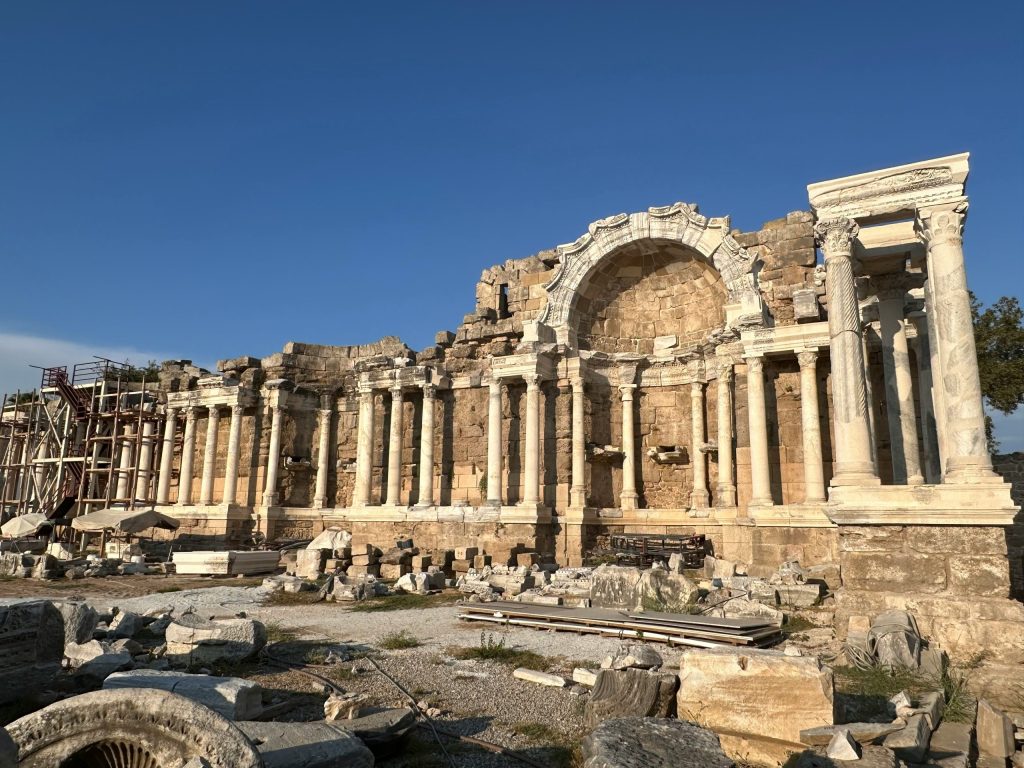
The Mediterranean is a treasure trove of history, and what better way to immerse yourself in ancient times than by exploring ancient Roman ruins? These cities are not just remnants of the past; they are vibrant stories waiting to be uncovered. Whether you’re a history buff or a curious traveler, these destinations offer rich insights into Roman architecture and culture.
Join us as we explore the top five cities that boast the most captivating Roman ruins, each offering unique experiences and breathtaking sights. From grand amphitheaters to intricately designed baths, these destinations promise unforgettable journeys into history.
1. Rome, Italy – Best for Iconic Landmarks
As the capital of the ancient Roman Empire, Rome is teeming with unparalleled historical landmarks. The Colosseum, Roman Forum, and Pantheon are just a few of the must-see sites that showcase Roman engineering and artistry.
Key Features:
- Home to the Colosseum, the largest ancient amphitheater ever built.
- Rich in museums and artifacts from the Roman era.
- Vibrant local culture intertwined with historical preservation.
Pros:
- Endless historical attractions.
- Culinary delights and vibrant street life.
- Accessible public transportation for easy exploration.
Cons:
- Crowded tourist spots, especially during peak season.
- Higher costs compared to other Mediterranean cities.
- Some historical sites may require entry fees.
2. Pompeii, Italy – Best for Volcanic Insights
Preserved under volcanic ash for centuries, Pompeii provides an extraordinary glimpse into everyday Roman life. Walking through this archaeological site feels like stepping back in time.
Key Features:
- Extensive ruins that include homes, shops, and public baths.
- The stunning view of Mount Vesuvius in the background.
- Detailed frescoes and mosaics that highlight Roman artistry.
Pros:
- Incredible preservation offers a unique perspective on ancient life.
- Guided tours available for deeper understanding.
- Visitor-friendly amenities and resources.
Cons:
- Can be overwhelming due to the vast area to cover.
- Limited shade, making summer visits uncomfortable.
- Some areas may be inaccessible due to preservation efforts.
3. Ephesus, Turkey – Best for Spectacular Ruins
Ephesus is renowned for its stunningly preserved ruins, including the magnificent Temple of Artemis and the impressive Library of Celsus. This site showcases the grandeur of Roman architecture.
Key Features:
- Stunning amphitheater that once held 24,000 spectators.
- Marble streets lined with intricate mosaics.
- Rich history as a significant trading center.
Pros:
- Less crowded than other famous sites.
- Rich archaeological finds and stories.
- Beautiful surrounding countryside to explore.
Cons:
- Can be hot in summer; necessary to stay hydrated.
- Limited English-speaking guides available.
- Some areas may be under ongoing excavation.
4. Carthage, Tunisia – Best for Unique Blend of Cultures
Carthage stands as a testament to the power of the ancient Phoenician civilization and its Roman conquerors. The rich mix of cultures makes this site particularly intriguing for visitors.
Key Features:
- Ruins that include ancient thermal baths and a Roman amphitheater.
- Strategic location with views of the Mediterranean Sea.
- Outstanding national museum showcasing artifacts.
Pros:
- Unique historical intersection of Phoenician and Roman cultures.
- Less tourist traffic allows for a more intimate experience.
- Beautiful coastal scenery enhances the exploration.
Cons:
- Some areas less well-preserved compared to other ruins.
- Transportation access can be tricky for some visitors.
- Limited English-language resources available.
5. Split, Croatia – Best for Coastal Roman Charm
Split is home to the well-preserved Diocletian’s Palace, a UNESCO World Heritage Site. The mixture of ancient and modern life in this city creates an enchanting atmosphere for exploration.
Key Features:
- Complex of structures that seamlessly blend into the city.
- Vibrant local markets and restaurants nestled within ancient walls.
- Beautiful coastal views and access to nearby islands.
Pros:
- Rich blend of history and contemporary life.
- Access to stunning Adriatic beaches.
- Welcoming locals and vibrant culture.
Cons:
- Can be crowded during the tourist season.
- Limited parking in the city center.
- Some sites may require entry fees.
How to Choose Your Destination
When selecting the ideal city for your ancient Roman exploration, consider the following: Evaluate your historical interests, accessibility, and seasonal weather. Opting for guided tours can enhance your understanding, and combining visits with local cuisine will elevate your experience immensely. No matter your choice, each city offers an unforgettable journey through time.
#AncientRome #RomanRuins #TravelEurope #MediterraneanExploration #HistoryTravel #CulturalHeritage #TravelDestinations