



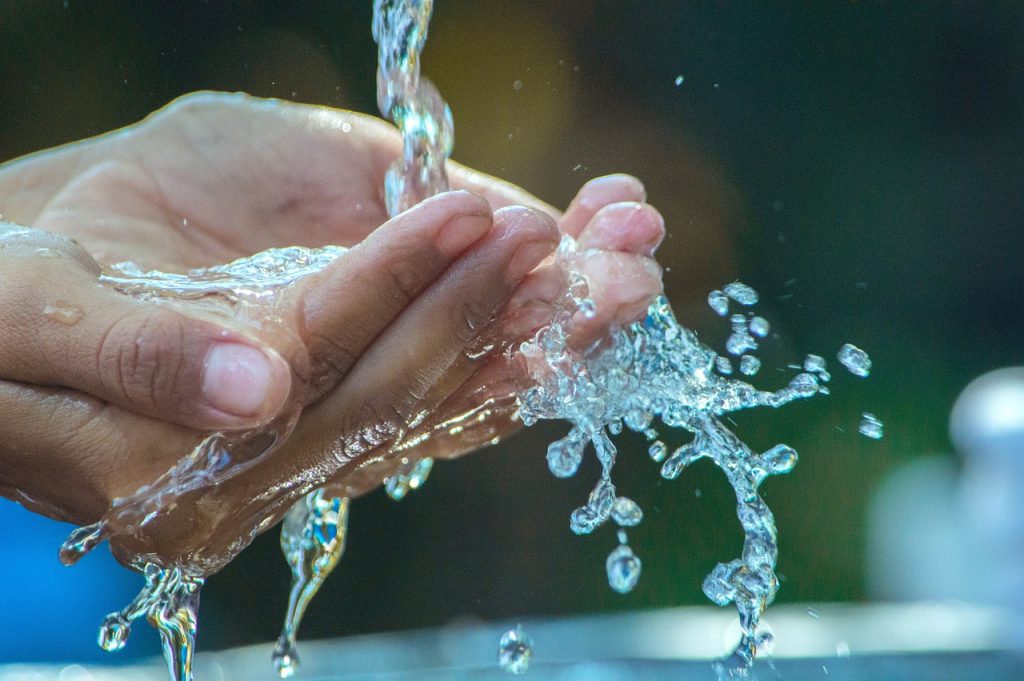
Access to clean water and effective sanitation is vital for a healthy community. Innovations in public health sanitation and clean water have emerged as transformative solutions to combat waterborne diseases and improve quality of life. Explore these groundbreaking innovations that are not only saving lives but also paving the way for a cleaner, healthier future.
From solar-powered water purification systems to smart toilets, these technologies are changing the landscape of public health. Dive in to discover the top innovations making a remarkable impact in communities around the globe!
1. Solar Water Purifier – Best For Sustainable Clean Water
The Solar Water Purifier utilizes solar energy to purify water, making it an eco-friendly solution for communities lacking access to clean water. Its efficient use of renewable energy tackles both water scarcity and environmental concerns.
Key Features:
- Solar-powered operation for eco-friendly purification.
- Portable design for easy transportation.
- Low maintenance with minimal running costs.
Pros:
- Environmentally friendly.
- Reduces dependence on traditional energy sources.
- Highly effective in remote areas.
Cons:
- Performance can be limited on cloudy days.
- Initial setup may require technical knowledge.
2. BioSand Filter – Best For Affordable Water Filtration
The BioSand Filter is a cost-effective, gravity-based system that removes pathogens and particulate matter from water. It is particularly beneficial in low-income regions where access to clean water is a significant challenge.
Key Features:
- Easy to construct using locally available materials.
- Requires no electricity or complex technology.
- Can filter up to 2,000 liters of water per day.
Pros:
- Inexpensive solution for communities.
- Long-lasting and easy to maintain.
- Empowers communities to build their own filters.
Cons:
- Initial training required for installation.
- Not effective for heavily contaminated water sources.
3. SMART Toilet – Best For Waste Management Innovation
The SMART Toilet system revolutionizes how waste is managed, using sensors and data to improve sanitation practices. Designed to enhance hygiene and reduce environmental impact, it is a game-changer in urban areas.
Key Features:
- Self-cleaning capabilities.
- Real-time data collection for efficient waste management.
- Automatic monitoring of usage and freshness.
Pros:
- Enhances public health by reducing disease transmission.
- Requires less water compared to traditional toilets.
- Promotes responsible waste use and recycling.
Cons:
- Higher cost and maintenance compared to conventional toilets.
- Technology may require regular updates.
4. UV Water Purification – Best For Safety and Efficiency
This innovative method utilizes ultraviolet light to kill bacteria and viruses in water, ensuring safety and purifying even the most contaminated sources. Its speed and effectiveness make it an essential tool for emergency water treatment.
Key Features:
- Fast purification process, often in minutes.
- No chemicals required for treatment.
- Energy-efficient technology.
Pros:
- Highly effective against a broad range of pathogens.
- Compact and easy to use in different settings.
- No residual taste in purified water.
Cons:
- Requires electricity or battery power.
- Not effective with turbid water without pretreatment.
5. Rainwater Harvesting Systems – Best For Resource Efficiency
Rainwater harvesting systems collect and store rainwater for various uses, including drinking, irrigation, and sanitation. This innovative approach maximizes water resources and helps communities become more self-sufficient.
Key Features:
- Collects and filters rainwater from roofs.
- Can be integrated into existing water systems.
- Cost-saving on water bills.
Pros:
- Reduces reliance on municipal water supplies.
- Alleviates local flooding issues through effective runoff management.
- Promotes water conservation efforts.
Cons:
- Dependent on rainfall patterns.
- Initial setup can be labor-intensive and costly.
6. Portable Water Purifier Straws – Best For On-The-Go Users
Portable water purifier straws provide a convenient solution for hikers, travelers, and emergency preparedness. They allow users to drink directly from a water source while filtering out harmful contaminants instantly.
Key Features:
- Ultra-lightweight and compact design.
- Removes bacteria, protozoa, and sediments.
- Filters up to 1,000 liters of water.
Pros:
- Perfect for outdoor adventures and emergency kits.
- Easy to use, just drink from the source.
- No need for chemicals or power supply.
Cons:
- Limited flow rate compared to larger systems.
- Requires frequent replacement depending on usage.
7. Community Composting Toilets – Best For Sustainable Waste Management
Community composting toilets transform human waste into compost, eliminating the need for sewer systems in rural areas. This innovative approach encourages sustainability while improving sanitation practices in underdeveloped regions.
Key Features:
- Uses natural composting processes for waste breakdown.
- Reduces environmental pollution.
- Produces valuable compost for agriculture.
Pros:
- Provides a clean sanitation solution without water use.
- Enhances local food production through nutrient recycling.
- Encourages community participation in hygiene practices.
Cons:
- Requires education and buy-in from the community.
- Maintenance of systems can be demanding.
8. Water Smart Sensors – Best For Intelligent Water Use
Water smart sensors help monitor water quality and usage, providing real-time data to ensure safe consumption. They can greatly enhance the efficiency of water management systems, ensuring optimal usage and contamination alerts.
Key Features:
- Real-time water quality monitoring.
- Alerts users to potential contamination issues.
- Data connectivity for improved management.
Pros:
- Enhances overall water safety.
- Promotes proactive maintenance of water systems.
- Empowers communities with data-driven insights.
Cons:
- Initial costs for installation and technology.
- Requires ongoing maintenance and software updates.
How to Choose the Right Innovation for Your Community
When selecting a sanitation or clean water innovation, consider factors like local water sources, community needs, budget, and long-term sustainability. Engage stakeholders to ensure the chosen solution is embraced and maintained effectively. The right choice can empower your community with healthier and more sustainable water practices!
#PublicHealth #CleanWater #SanitationInnovations #WaterPurification #SustainableLiving