



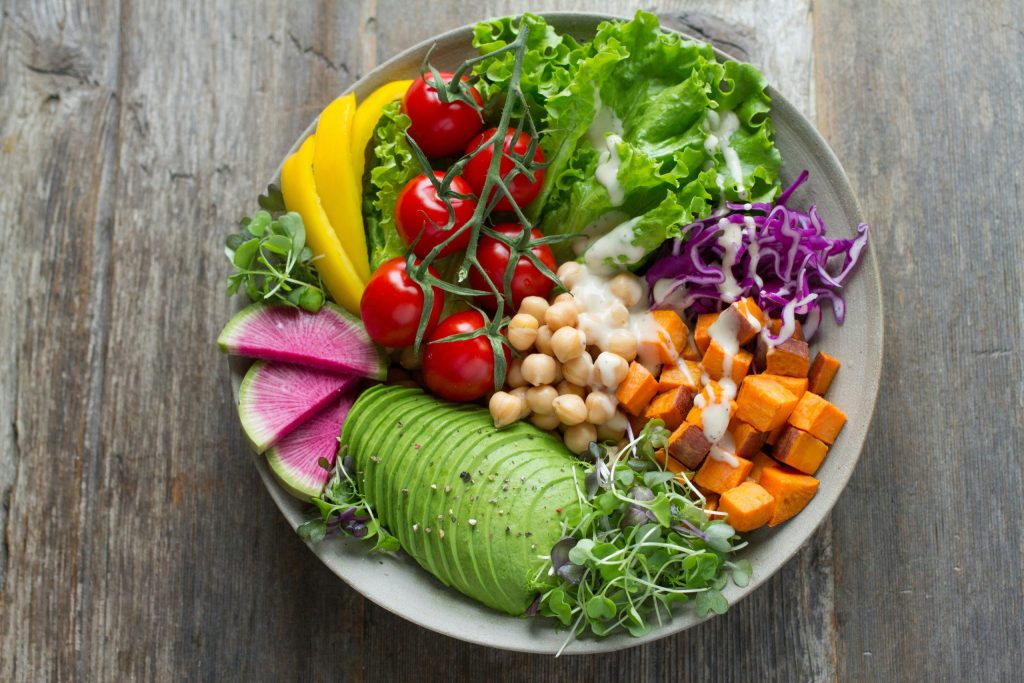
Are you looking to boost your longevity and overall health? Adopting a plant-centric diet could be the answer. These diets are not only rich in essential nutrients but have also been linked to longer lifespans and reduced risk of chronic diseases. Here’s a look at the eight best plant-centric diets that can help you live a vibrant and longer life.
Stay tuned as we delve into each diet’s unique benefits and discover which one could be the best fit for your lifestyle!
1. Mediterranean Diet – Best For Heart Health
The Mediterranean diet emphasizes whole foods, healthy fats, and plenty of fruits and vegetables. This approach is linked to a lower risk of heart disease and promotes longevity through its anti-inflammatory properties.
Key Features:
- Rich in olive oil, nuts, and seeds.
- Includes fish and poultry, with limited red meat.
- High in fruits, vegetables, and whole grains.
Pros:
- Promotes heart health.
- Encourages weight loss and maintenance.
- Delicious and diverse food options.
Cons:
- Can be expensive due to high-quality ingredients.
- Requires careful planning to balance meals.
2. Vegan Diet – Best For Weight Management
A vegan diet excludes all animal products, focusing solely on plant-based foods. This diet is associated with lower body weight, reduced obesity rates, and has been linked to increased lifespan.
Key Features:
- 100% plant-based, including fruits, vegetables, legumes, and grains.
- High in fiber and low in saturated fats.
- Rich in antioxidants and phytonutrients.
Pros:
- Supports weight loss efforts.
- Reduces risk of chronic diseases like diabetes.
- Ethical and environmentally friendly.
Cons:
- Potential nutritional deficiencies (B12, iron).
- Requires supplementation for some vitamins.
3. Whole Food Plant-Based Diet – Best For Overall Nutrition
This diet focuses on unprocessed and minimally processed foods. Whole foods allow individuals to get the most nutrients from their meals, supporting both health and longevity.
Key Features:
- Emphasizes fruits, vegetables, whole grains, and legumes.
- Avoids refined sugars, flours, and oils.
- Prioritizes nutrient-dense options.
Pros:
- Maximizes nutrient intake.
- Reduces inflammation and improves health markers.
- Can improve digestive health.
Cons:
- May be challenging to maintain when dining out.
- Requires commitment to meal preparation.
4. Flexitarian Diet – Best For Balanced Nutrition
Key Features:
- Focus on plant-based meals with occasional meat.
- Encourages whole foods and seasonal eating.
- Flexible and adaptable to individual preferences.
Pros:
- Easy to follow and customize.
- Provides a balanced approach to nutrition.
- Permits variety in food choices.
Cons:
- Might not work for those seeking strict diets.
- Quality of meat consumed may impact health benefits.
5. DASH Diet – Best For Blood Pressure Control
The Dietary Approaches to Stop Hypertension (DASH) diet promotes plant-based foods to support heart health and lower blood pressure. It emphasizes fruits, vegetables, and whole grains while minimizing salt intake.
Key Features:
- High in fruits, vegetables, and low-fat dairy.
- Limits saturated fat and sugar intake.
- Encourages whole grains and lean proteins.
Pros:
- Effective in lowering blood pressure.
- Promotes heart-healthy eating habits.
- Backed by scientific research.
Cons:
- Can be difficult to adhere to long-term.
- Requires careful calculation of salt intake.
6. Okinawan Diet – Best For Longevity
The Okinawan diet, inspired by the eating habits of the Okinawan people in Japan, emphasizes whole, nutrient-dense foods. This diet is low in calories and high in antioxidants, contributing to increased life expectancy.
Key Features:
- Rich in sweet potatoes, green vegetables, and soy products.
- Minimal consumption of red meat and processed foods.
- Focus on local, seasonal foods.
Pros:
- May promote longevity and wellness.
- Encourages a variety of nutritious foods.
- Low-calorie yet satisfying.
Cons:
- Less familiar to Western food culture.
- May require ingredient substitutions or sourcing.
7. Raw Food Diet – Best For Detoxification
The raw food diet emphasizes uncooked, unprocessed foods, which can enhance nutrient intake and promote detoxification. It’s believed that this can help improve overall health and support longevity.
Key Features:
- Focuses on fresh fruits, vegetables, nuts, and seeds.
- Avoids any heated food above 118°F.
- Rich in enzymes and nutrients.
Pros:
- Increases nutrient consumption.
- May lead to natural weight loss.
- Encourages clean eating habits.
Cons:
- Can be restrictive and challenging to follow.
- Potential nutrient deficiencies.
8. Paleo Diet – Best For Nutrient-Dense Foods
The Paleo diet takes inspiration from ancient human diets, focusing on whole foods similar to what early humans would have eaten. This includes fruits, vegetables, nuts, seeds, and lean meats, which can contribute to longevity.
Key Features:
- Emphasizes whole foods and avoids processed items.
- Includes high amounts of fruits and vegetables.
- Allows moderate protein intake from animal sources.
Pros:
- Promotes whole, unprocessed food consumption.
- Can lead to improved energy levels.
- May help with weight maintenance.
Cons:
- May not be sustainable long-term due to restrictions.
- Potentially higher food costs.
How to Choose the Right Plant-Centric Diet for You
Selecting the right plant-centric diet depends on various factors, including your health goals, personal preferences, and lifestyle. Consider starting with a flexible approach, like the Flexitarian diet, before gradually adopting stricter guidelines like veganism or whole food plant-based eating. Always consult with a healthcare provider before making significant dietary changes.
#PlantBasedDiet #HealthyEating #Longevity #Nutrition #WholeFoods #DietTips #HealthyLifestyle #WellnessJourney