



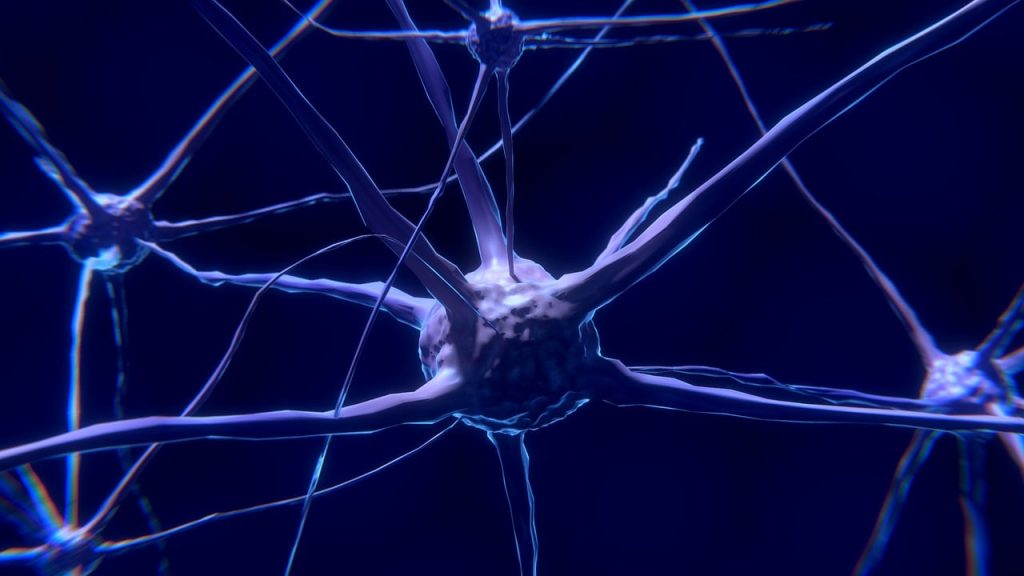
Are you fascinated by the complexities of the human brain and eager to deepen your understanding of neuroscience? Whether you’re a student, educator, or simply a curious mind, finding the right educational resources can be overwhelming. This list of the best neuroscience brain structure webinars will not only enhance your knowledge but also inspire your passion for this intricate field.
These webinars feature leading experts who simplify complex topics, making it easier for you to grasp the intricate structures of the brain. Dive in to discover the top choices that will elevate your learning experience!
1. Understanding Brain Anatomy – Best for Beginners
This comprehensive webinar breaks down the basic structures of the brain, offering visuals and simple explanations that make neuroscience accessible for newcomers.
Key Features:
- Engaging visual aids
- Interactive Q&A session
- Simple language for easy comprehension
Pros:
- Great introduction for novices
- Expert presenters
- Accessible recordings available
Cons:
- Limited depth for advanced learners
- Short duration
2. Advanced Neuroscience: Brain Regions & Their Functions – Best for Intermediate Learners
This engaging webinar dives deeper into the functional nuances of various brain regions, perfect for those with a foundational understanding who wish to expand their knowledge further.
Key Features:
- In-depth analysis of brain functions
- Case studies included
- Expert tips on further research
Pros:
- High-quality content and delivery
- Interactive discussion opportunities
- Resources for further reading
Cons:
- Requires basic neuroscience knowledge
- More complex terminology used
3. Brain Development Across the Lifespan – Best for Educators
This essential webinar focuses on how brain structure changes from childhood to old age, providing invaluable insights for those in teaching and caregiving roles.
Key Features:
- Focus on neuroplasticity
- Special guest speakers from various fields
- Research findings discussed
Pros:
- Applicable to various educational fields
- Encourages interdisciplinary collaboration
- Provides practical strategies for engagement
Cons:
- Lengthy session may lose some audience attention
- High demand could limit interaction
4. The Neuroscience of Learning and Memory – Best for Psychology Students
This informative webinar examines the critical relationship between neuroscience and psychological principles, ideal for students looking to tie their theories to brain structure.
Key Features:
- Integration of psychological theories
- Real-life implications discussed
- Innovative teaching methods highlighted
Pros:
- Rich in research-backed insights
- Great for discussion and debate
- Free supplementary materials
Cons:
- Advanced concepts may overwhelm some
- Limited interactive elements
5. Neuroimaging Techniques in Brain Research – Best for Aspiring Neuroscientists
This webinar introduces the latest neuroimaging technologies and how they are transforming our understanding of brain structures and functions.
Key Features:
- Covers fMRI, PET, and CT scans
- Recent studies and findings highlighted
- Hands-on demonstrations via video
Pros:
- Cutting-edge information
- Engagement with leading researchers
- Networking opportunities
Cons:
- Technical jargon may be confusing
- Requires some existing knowledge of imaging techniques
6. Neurodegenerative Diseases and Their Impact on Brain Structure – Best for Healthcare Professionals
This insightful session focuses on how diseases like Alzheimer’s and Parkinson’s affect brain structure, making it a vital resource for those in the healthcare field.
Key Features:
- Detailed breakdown of diseases
- Current research and treatment options discussed
- Patient case studies examined
Pros:
- Highly relevant for practitioners
- Strong emphasis on emerging therapies
- Interactive audience involvement
Cons:
- Content may be too specific for general audiences
- Fast-paced delivery
7. The Role of Environment in Brain Development – Best for Social Scientists
This thought-provoking webinar emphasizes the influence of environmental factors on brain structure, incorporating themes of social science into neuroscience.
Key Features:
- Discussion of socio-economic impacts
- Emphasis on early childhood development
- Policy implications reviewed
Pros:
- Enriching interdisciplinary approach
- Actionable insights for policy-making
- Hosts conversation among experts
Cons:
- Requires some base knowledge in social sciences
- Limited technical depth for neuroscientists
8. Cutting-edge Research in Neuroscience – Best for General Audience
Key Features:
- Highlights of innovative studies
- Approachable language used
- Variety of topics covered
Pros:
- Accessible to everyone interested
- Incorporates current trends in neuroscience
- Encourages curiosity and inquiry
Cons:
- Lacks depth for specialized learners
- Limited time for Q&A
How to Choose the Right Webinar for You
When selecting the best neuroscience webinar, consider your current knowledge level, specific interests, and how the webinar’s focus aligns with your goals. Identify whether you’re seeking a fundamental understanding or in-depth knowledge on specific subjects. Don’t forget to check for interactive opportunities or additional resources that may enhance your learning experience.
#NeuroscienceWebinars #BrainStructure #EducationalWebinars #Neuroscience #OnlineLearning #BrainAnatomy #LearningAndMemory #Neuroimaging