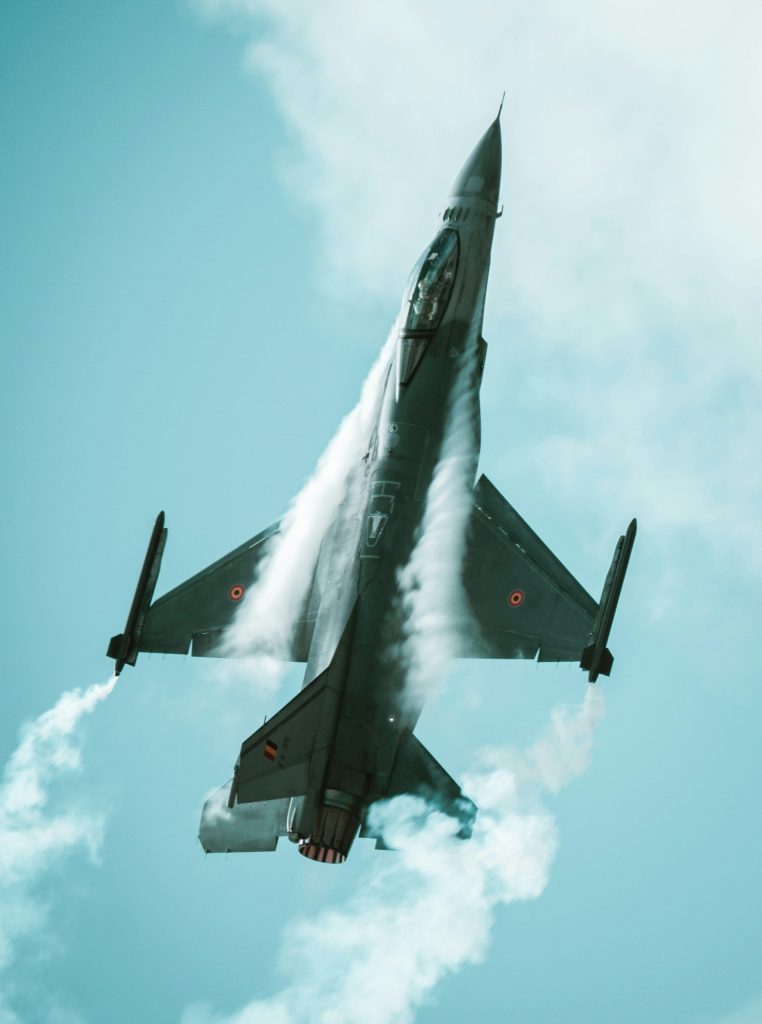
Scramjet technology represents the pinnacle of hypersonic travel. With efficiency and speed capabilities beyond traditional engines, these flight tests have pushed the boundaries of aerospace engineering. In this article, we’ll explore the eight most significant scramjet engine flight tests that have shaped the future of aerospace travel and research.
From groundbreaking innovations to record-setting speeds, this list highlights the importance of scramjets in revolutionizing how we approach high-speed flight. Get ready to dive into the world of scramjet technology!
1. NASA’s X-43A – Record-Breaking Speeds
The NASA X-43A program is a trailblazer in hypersonic test flights, with the unmanned vehicle achieving speeds of Mach 9.6 during its test flights. This remarkable achievement marked a pivotal moment in aerospace engineering.
Key Features:
- First scramjet-powered flight to exceed Mach 9.
- Utilized air-breathing engine technology.
- Demonstrated feasibility for hypersonic cruise flight.
Pros:
- Validated theoretical models of scramjet performance.
- Provided crucial data for future hypersonic vehicles.
- Inspiration for advanced aerospace engineering designs.
Cons:
- Limited to a few test flights.
- High cost of development and testing.
- Technical challenges in scaling the technology.
2. DARPA’s HTV-2 – Hypersonic Technology Demonstrator
The DARPA HTV-2 was designed to demonstrate hypersonic flight capabilities, reaching speeds over Mach 20. Although the mission faced telemetry loss, the data gathered was invaluable for future developments.
Key Features:
- Targeted speeds beyond Mach 20.
- Developed to explore flight dynamics at extreme velocities.
- Innovative thermal protection systems.
Pros:
- Significant data on atmospheric re-entry characteristics.
- Focus on stealth capabilities for military applications.
- Contributed to advancements in thermal management technologies.
Cons:
- Initial flights faced data transmission issues.
- Public debate over military applications.
- High levels of complexity with limited testing windows.
3. Boeing/SNASA’s X-51A Waverider – Successful Scramjet Flight
The X-51A Waverider brought scramjet technology to the forefront, achieving successful flight tests with an operational engine. With flights reaching up to Mach 5.1, it revolutionized hypersonic research.
Key Features:
- Utilized a fuel-efficient air-breathing engine.
- Completed several successful altitude tests.
- Established foundations for future scramjet development.
Pros:
- Demonstrated reliable scramjet operation over extended periods.
- Significant funding from the U.S. government.
- Facilitated collaborations between private companies and NASA.
Cons:
- Limited number of test flights.
- Complex integration with launch platforms.
- Challenges in scaling for commercial applications.
4. India’s BrahMos-II – Hypersonic Cruise Missile Test
The BrahMos-II represents a significant step in hypersonic missile technology with its scramjet engine. Though still in the testing phase, its development has garnered international attention and strategic interest.
Key Features:
- Combines advanced missile technology with scramjet propulsion.
- Targets speeds exceeding Mach 7.
- Aims for precision and stealth in military applications.
Pros:
- Enhances strategic military capabilities.
- Potential for dual-use technology applications.
- Increased national security measures.
Cons:
- Geopolitical concerns and debates regarding military use.
- Ongoing development may delay operational deployment.
- Technical complexities could lead to program delays.
5. NASA’s X-60A – Expanding Hypersonic Research
The X-60A is a recent addition designed to facilitate hypersonic research with an air-breathing scramjet engine. It aims to improve our understanding of hypersonic flight dynamics.
Key Features:
- Focuses on flight testing in a controlled environment.
- Equipped with innovative scramjet technology.
- Designed for a wide range of hypersonic applications.
Pros:
- Advances fundamental research on scramjet engines.
- Potential for civilian applications in space travel.
- Encourages collaboration between NASA and private industry.
Cons:
- Still in the early stages of testing.
- Requires extensive funding and resources.
- Uncertain timeline for operational capability.
6. Russia’s Yu-71 – Advanced Missile Testing
The Yu-71 is a state-of-the-art hypersonic vehicle being developed by Russia, which utilizes scramjet technology for strategic military purposes. Its successful test flights have implications for global defense.
Key Features:
- Designed for fast and agile maneuvering during flight.
- Targets advanced military capabilities.
- State-funded with high military significance.
Pros:
- Represents a major leap in missile technology.
- Potential to change defense and political balances.
- Collaborative engineering efforts within the military sector.
Cons:
- Secrecy surrounding specific technologies used.
- Concerns over increasing arms race dynamics.
- Pressure from international treaties and agreements.
7. Australia’s HIFiRE Program – Research Collaboration
The HIFiRE program represents a joint research initiative aiming to explore hypersonic and scramjet technologies. Through a series of tests, it focuses on basic principles of flight and engine performance.
Key Features:
- Multiple test flights focused on key performance metrics.
- Partnerships across universities and government agencies.
- Aims to provide a platform for further innovation in hypersonic technology.
Pros:
- Encourages international collaboration in aerospace research.
- Progress in knowledge of hypersonic physics.
- Potential applications in both military and civilian sectors.
Cons:
- Rely on funding and political support for continuation.
- Results may take time for practical application.
- Vulnerability to budget cuts due to shifting political priorities.
8. China’s WU-14 – Strategic Development
The WU-14 is China’s foray into hypersonic flight, showcasing advanced scramjet technology aimed at enhancing military capabilities. Its development underscores the ongoing global race in hypersonic technologies.
Key Features:
- Achieved impressive velocity targets during test flights.
- Focus on maneuverability and precision strikes.
- State-backed with strategic implications.
Pros:
- Demonstrates China’s technological advancements.
- Enhances national security and defense readiness.
- Broad investment in aerospace innovation.
Cons:
- Increased global tension regarding military advancements.
- Challenges in international cooperation.
- Potential for isolation in the hypersonic arena.
How to Choose the Right Scramjet Technology
When evaluating the significance of scramjet engine flight tests, consider the following factors: the engine’s operational speed capabilities, the versatility of applications (military vs. civilian), and the data retrieval efficiency during test flights. Assess the funding and partnerships involved as well as the strategic implications of the technology to understand its potential impact on future aerospace developments.
#Scramjet #HypersonicTravel #AerospaceEngineering #FlightTests #AerospaceInnovation #TechForGood #EngineeringResearch