



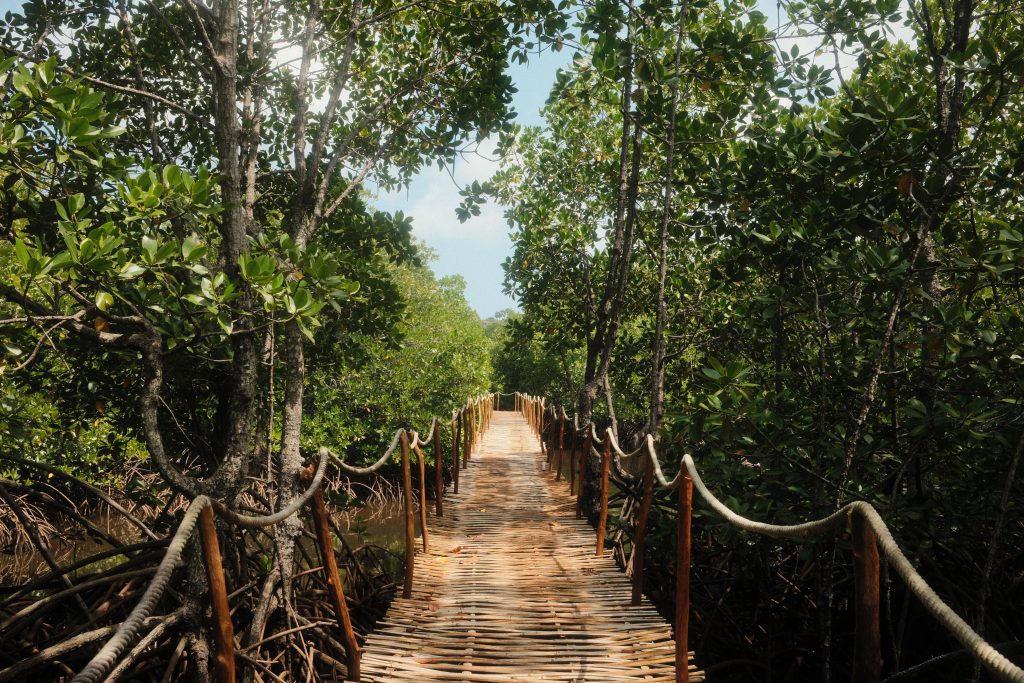
Are you looking to plan an eco-friendly getaway that leaves a positive impact on the environment? Sustainable eco-tourism conservation reserves offer the unique opportunity to explore breathtaking landscapes while contributing to wildlife preservation and local communities. This list features the best places where adventure meets sustainability, ensuring that your travel footprint is as light as possible.
With natural beauty, rich biodiversity, and responsible practices, these conservation reserves not only provide a rejuvenating escape but also teach invaluable lessons about the importance of environmental stewardship. Read on to discover your next travel destination that combines leisure with conservation!
1. Costa Rica’s Corcovado National Park – Best For Biodiversity
Corcovado National Park is a gem of biodiversity, home to numerous rare species including tapirs and scarlet macaws. The park promotes responsible tourism and environmental education.
Key Features:
- Rich in wildlife and flora
- Guided tours that educate on conservation
- Support for local indigenous communities
Pros:
- Stunning landscapes
- Variety of outdoor activities
- Committed to conservation efforts
Cons:
- Limited accessibility
- Weather can be unpredictable
- Entry fees can be high
2. Galápagos Islands – Best For Unique Wildlife
The Galápagos Islands offer a once-in-a-lifetime experience to see unique species that inspired Charles Darwin. Eco-tourism here is strictly regulated to ensure the preservation of its natural habitats.
Key Features:
- Home to endemic species like the blue-footed booby
- Strict eco-regulations for all visitors
- Opportunities for volunteer conservation work
Pros:
- Exceptional wildlife viewing
- Educational guided experiences
- Great snorkeling and diving
Cons:
- Expensive travel costs
- Limited cellular coverage
- High tourist demand
3. Yellowstone National Park, USA – Best For Natural Wonders
Yellowstone is renowned for its geothermal features and vast wilderness. This national park champions conservation through sustainable tourism initiatives.
Key Features:
- Home to the world’s first national park
- Extensive network of eco-friendly lodges
- Programs to protect local wildlife
Pros:
- Stunning natural beauty
- Variety of hiking trails
- Rich cultural history
Cons:
- Can be crowded during peak season
- Limited amenities in remote areas
- Wildlife encounters can be unsafe
4. Borneo Rainforest, Malaysia – Best For Rainforest Exploration
The Borneo Rainforest is one of the world’s oldest tropical rainforests and provides eco-tourists with unforgettable experiences exploring lush ecosystems and discovering diverse wildlife.
Key Features:
- Home to orangutans and proboscis monkeys
- Community-based eco-lodges
- Education programs focused on biodiversity
Pros:
- Rich biodiversity
- Cultural experiences with indigenous peoples
- Opportunities for sustainable activities
Cons:
- Weather can be humid and rainy
- Inconsistent infrastructure
- Potential for insect bites
5. Amboseli National Park, Kenya – Best For Wildlife Safari
Known for its elephant herds and stunning views of Mount Kilimanjaro, Amboseli offers an eco-tourism experience that supports wildlife conservation and local communities.
Key Features:
- Wildlife corridors support natural migration
- Local guides provide insights into conservation
- Community partnerships enhance visitor experiences
Pros:
- Breath-taking landscapes
- Close-up wildlife encounters
- Unique cultural experiences
Cons:
- Limited public transport options
- Can be pricey
- Invasive species are a concern
6. Madagascar’s Andasibe-Mantadia National Park – Best For Endemic Flora and Fauna
This national park is a treasure trove of unique species and offers the chance to witness the incredible biodiversity of Madagascar while supporting eco-tourism initiatives.
Key Features:
- Rich ecosystems with lemurs and baobabs
- Engagement with local communities through conservation
- Educational guided tours available
Pros:
- Exceptional wildlife viewing opportunities
- Commitment to sustainable practices
- Accessible for all adventure levels
Cons:
- Limited accommodations
- Travel to Madagascar can be complex
- Local infrastructure in need of improvement
7. The Great Barrier Reef, Australia – Best For Marine Life
The Great Barrier Reef offers unrivaled marine biodiversity experiences. Eco-tourism here focuses on responsible diving and snorkeling to protect this natural wonder.
Key Features:
- World’s largest coral reef system
- Strict visitor regulations to protect biodiversity
- Collaborative conservation programs
Pros:
- Amazing snorkeling and diving opportunities
- Stunning underwater photography
- Educational marine conservation programs
Cons:
- Threat from climate change and pollution
- High tourist footfall in some areas
- Weather disruptions can occur
8. Komodo National Park, Indonesia – Best For Adventure Seekers
Komodo National Park is famous for its sea dragons and beautiful aquatic ecosystems. The park’s ecotourism programs directly support conservation efforts.
Key Features:
- Unique wildlife experiences like diving with mantas
- Community-based conservation projects
- Stunning volcanic landscapes
Pros:
- Epic dive locations
- Strong commitment to conservation
- Amazing hiking opportunities
Cons:
- Accessibility can be challenging
- Prices for tours can be high
- Limited amenities on some islands
9. Banff National Park, Canada – Best For Scenic Landscapes
Banff National Park is a haven for outdoor enthusiasts, providing ways to enjoy nature while emphasizing sustainability in tourism practices.
Key Features:
- Stunning mountain vistas and pristine lakes
- Eco-lodges that blend into the landscape
- Partners with local conservation efforts
Pros:
- Diverse recreational activities
- Excellent access to the Canadian Rockies
- Commitment to responsible tourism
Cons:
- Busy during tourist season
- Limited access to certain remote areas
- Weather can change rapidly
10. Kruger National Park, South Africa – Best For Traditional Safari
Kruger National Park is a prime safari destination that balances tourism with conservation efforts, allowing visitors to learn and experience Africa’s wildlife up close.
Key Features:
- Wide variety of wildlife
- Educational wildlife programs available
- Strong emphasis on anti-poaching initiatives
Pros:
- Thrilling safari experience
- In-depth conservation learning opportunities
- Accessible from major cities
Cons:
- Popular areas can be crowded
- Self-driving can necessitate navigating complex rules
- Weather can vary significantly by season
How to Choose the Right Eco-Tourism Conservation Reserve
When selecting a conservation reserve for your trip, consider factors like the type of wildlife you want to see, the kind of activities you enjoy, and your desired level of sustainability. Look for reserves that actively contribute to local conservation efforts and community engagement, allowing your visit to make a genuine impact.
#EcoTourism #SustainableTravel #ConservationReserves #WildlifeConservation #TravelGreen #EcoFriendlyTravel #AdventureAwaits