

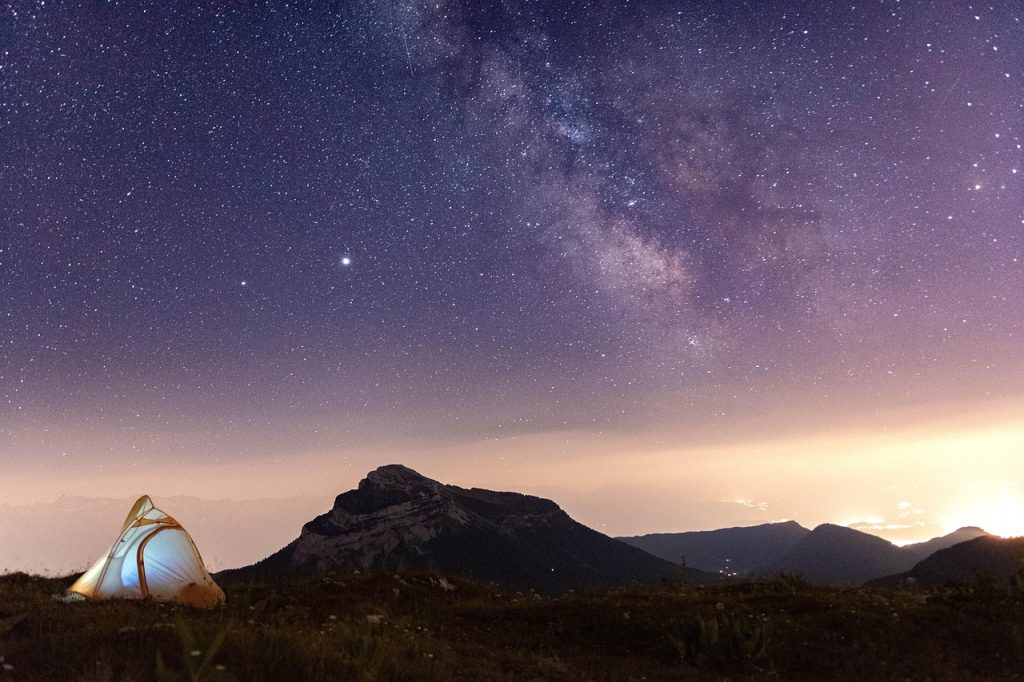
If you’re an astrophotography enthusiast or simply love stargazing, capturing the breathtaking beauty of the Milky Way is an experience like no other. However, the key to getting that perfect shot lies in choosing the right location. That’s why we’ve curated a list of the top ten camping spots that not only provide stunning views but also offer the ideal conditions for your photography adventures.
Each of these locations is renowned for its dark skies, clear visibility, and unique landscapes, making them perfect for capturing the Milky Way in all its glory. So grab your camera, pack your gear, and prepare for an unforgettable camping experience under the stars!
1. Big Bend National Park, Texas – Best For Dark Sky Enthusiasts
Big Bend National Park is a haven for stargazers, with some of the darkest skies in the continental United States. Its remote location provides minimal light pollution, allowing for brilliant views of the Milky Way.
Key Features:
- Over 1,200 square miles of protected land
- Vast desert landscapes
- Year-round camping facilities
Pros:
- Stunning vistas with contrasting landscapes
- Great hiking opportunities
- Multiple campgrounds available
Cons:
- Remote access requires planning
- Limited amenities
- Hot summers can be uncomfortable
2. Death Valley National Park, California – Best For Unique Landscapes
Known for its otherworldly landscapes, Death Valley is also one of the best places for astrophotography. The lack of light pollution combined with drastic topography offers numerous photo opportunities.
Key Features:
- Lowest point in North America
- Diverse geological features
- Dark sky certifications
Pros:
- Incredible geological formations
- Variety of photography settings
- Cool night temperatures
Cons:
- Extreme daytime heat
- Limited water resources
- Remote camping locations
3. Jasper National Park, Alberta – Best For Accessibility
As part of the Dark Sky Preserve, Jasper National Park is easily accessible and offers great opportunities for astrophotography. Its stunning mountain backdrops and clear skies create magical Milky Way captures.
Key Features:
- Dark Sky Festival held annually
- Accessible from major cities
- Wide range of camping options
Pros:
- Stunning mountain scenery
- Guided astronomy events
- Family-friendly camping facilities
Cons:
- Higher visitor traffic during festivals
- Possible higher lodging rates
- Cold winters limit access
4. Crater Lake National Park, Oregon – Best For Scenic Views
Crater Lake offers photographers a stunning blue lake surrounded by steep cliffs, ideal for unique Milky Way shots. The park’s elevated terrain provides perfect opportunities for long-exposure photography.
Key Features:
- Deepest lake in the U.S.
- High elevation camping sites
- Year-round accessibility
Pros:
- Unique scenery for diverse shots
- Quiet and serene atmosphere
- Wildlife spotting opportunities
Cons:
- Limited camping facilities
- Weather can be unpredictable
- Altitude sickness possible
5. Acadia National Park, Maine – Best For Coastal Photography
Acadia National Park not only offers incredible vistas along the coastline but also some of the best stargazing spots in the Northeast. It’s especially beautiful during early summer when the Milky Way arcs over the ocean.
Key Features:
- Coastal and mountainous terrain
- Easy access from nearby towns
- Diverse ecosystems
Pros:
- Stunning sunrises and sunsets
- Variety of landscapes to explore
- Accessibility via multiple trails
Cons:
- Crowded during peak tourist season
- Limited campground space
- Weather can be unpredictable
6. Organ Pipe Cactus National Monument, Arizona – Best For Desert Photographs
This unique desert landscape features stunning cacti and clear skies, perfect for capturing the Milky Way. Organ Pipe Cactus offers numerous camping options among its striking scenery.
Key Features:
- Rich biodiversity
- Isolated dark skies
- Scenic drives and hiking trails
Pros:
- Excellent visibility for night sky photography
- Rich desert flora to complement nighttime shots
- Variety of camping options
Cons:
- High summer temperatures
- Limited facilities
- Remote location may require extra planning
7. Lassen Volcanic National Park, California – Best For Unique Geological Features
Lassen Volcanic National Park showcases fascinating geothermal features and a wealth of natural beauty, providing a unique backdrop for Milky Way photography. Its dark skies are perfect for viral-worthy captures.
Key Features:
- Active geothermal areas
- Peaceful camping sites
- Rich wildlife observations
Pros:
- Stunning contrast between lights and shadows
- Less crowded than other parks
- Varied landscapes enhance rising photographs
Cons:
- Limited services in winter
- Some trails may be challenging
- Weather can vary dramatically
8. Grand Canyon National Park, Arizona – Best For Iconic Landmarks
There’s nothing like capturing the Milky Way over the breathtaking Grand Canyon. With its wide-open spaces and elevation, it’s a favored location for night sky photography.
Key Features:
- Iconic viewpoints
- Multiple camping sites
- Year-round photogenic scenery
Pros:
- Iconic landscapes for rich photographs
- Various hiking and camping options
- Wildlife spotting opportunities
Cons:
- Large crowds during peak season
- Long hikes may be needed for remote locations
- Limited amenities on-site
9. Great Basin National Park, Nevada – Best For Seclusion
Great Basin offers seclusion and some of the darkest skies in the country. It’s perfect for those looking to escape the hustle and bustle for optimal night sky photography.
Key Features:
- Dark Sky Reserve designation
- Unique bristlecone pine trees
- Multiple camping options available
Pros:
- Zipline of stars visible
- Quiet and pristine environment
- Easy access to hiking trails
Cons:
- Limited services and supplies
- Long drive from major cities
- Severe weather can affect access
10. Glacier National Park, Montana – Best For Majestic Mountains
Glacier National Park provides an awe-inspiring setting with its towering peaks and rugged wilderness. It’s a paradise for photographers eager to capture the Milky Way amid dramatic backdrops.
Key Features:
- Beautiful alpine lakes
- Numerous trails for exploration
- Rich wildlife and flora
Pros:
- High elevations provide clear visibility
- Diverse camping experiences
- Incredible photographic opportunities
Cons:
- Access may be limited in winter
- Crowds can be an issue in summer
- Wildlife encounters can be unpredictable
How to Choose the Best Milky Way Camping Location
When choosing your perfect camping spot for Milky Way photography, consider factors such as light pollution, accessibility, timing, and terrain. Always check the weather forecast, give yourself ample time to set up your equipment, and be prepared for changing conditions. Most importantly, enjoy the beauty of the night sky!
#MilkyWayPhotography #Astrophotography #CampingLocations #StarGazing #OutdoorAdventure #NationalParks #NaturePhotography #ExploreTheNightSky