



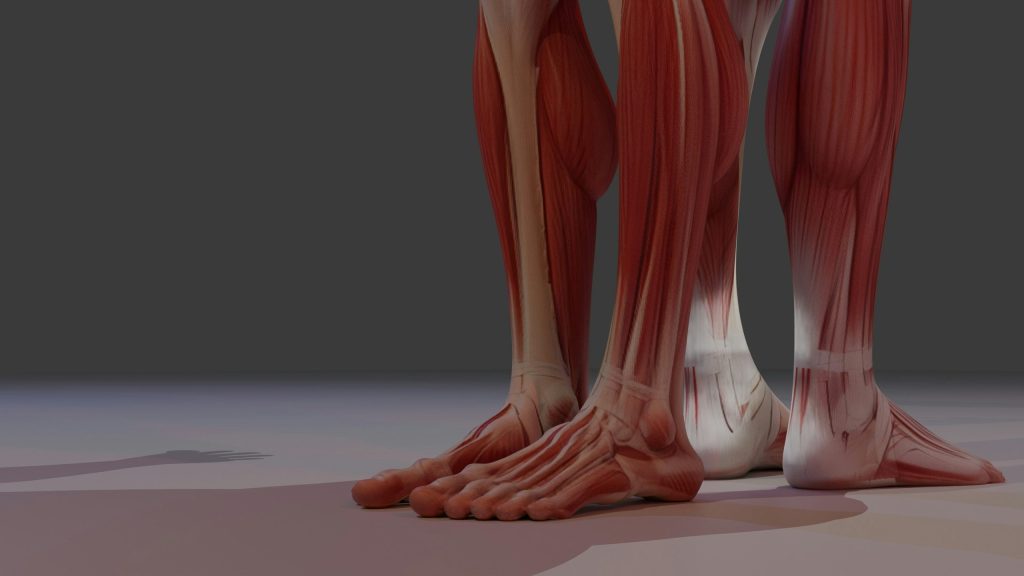
If you’re tired of dealing with knee pain or want to prevent injuries before they happen, strengthening your lower body is crucial! These exercises target the muscles around your knees, offering better support and stability.
Whether you’re a seasoned athlete or just starting, these workouts will help you build strength and resilience. Let’s dive into the best lower body exercises for knee injury prevention!
1. Squats – Best for Building Lower Body Strength
Squats are excellent for strengthening the quadriceps, hamstrings, and glutes—essential muscles for knee support.
Key Features:
- Engages multiple lower body muscles
- Can be done with or without weights
- Improves core stability
Pros:
- Enhances mobility and flexibility
- Easy to modify for different fitness levels
- Helps in weight management
Cons:
- Can cause strain if done improperly
- May aggravate existing knee issues
2. Lunges – Best for Balance and Coordination
Lunges not only strengthen the legs but also improve balance, which can be vital for knee support during various activities.
Key Features:
- Targets all major leg muscles
- Can be performed in multiple directions
- Improves functional movement
Pros:
- Boosts lower body endurance
- Great for hip flexibility
- Adaptable for all skill levels
Cons:
- Requires good balance and technique
- Risk of knee discomfort if performed incorrectly
3. Glute Bridges – Best for Hip and Glute Strength
This exercise focuses on the glutes and hamstrings, which are essential for maintaining knee alignment and reducing injury risk.
Key Features:
- Isolates glute muscles effectively
- Improves back stability
- Requires no equipment
Pros:
- Simple to perform anywhere
- Enhances overall strength
- Safe for most injury levels
Cons:
- Effectiveness may decrease if overused
- Can be challenging for some beginners
4. Step-Ups – Best for Functional Strength
Step-ups mimic real-world movements and are fantastic for developing strength in the legs while promoting knee stability.
Key Features:
- Targets quadriceps and glutes
- Encourages coordination
- Can be performed with weights
Pros:
- Improves agility and speed
- Versatile and adaptable
- Easily adjustable step height
Cons:
- May strain knees if done incorrectly
- Requires a sturdy platform
5. Deadlifts – Best for Full-Body Engagement
Deadlifts are perfect for increasing overall body strength while particularly focusing on the posterior chain, beneficial for knee support.
Key Features:
- Engages several muscle groups
- Improves posture and core strength
- Can be performed with dumbbells or barbells
Pros:
- Increases hip strength
- Enhances functional fitness
- Versatile exercise options
Cons:
- Requires proper technique to avoid injury
- Can be challenging for beginners
6. Calf Raises – Best for Lower Leg Strength
Calf raises are essential for developing the muscles in the lower leg, which help stabilize the knee during movement.
Key Features:
- Focuses on calf muscles
- Simple and effective movement
- Can be performed anywhere
Pros:
- Improves ankle strength and flexibility
- Easy to integrate into any routine
- Low impact on joints
Cons:
- Limited strength gains compared to compound lifts
- May be overlooked by gym-goers
7. Clamshells – Best for Hip Abduction Strength
Clamshells target the hip muscles, particularly the gluteus medius, playing a vital role in knee joint stability.
Key Features:
- Strengthens hip abductors
- Can be performed with resistance bands
- No special equipment needed
Pros:
- Ideal for rehab and preventative workouts
- Improves pelvic stability
- Simple but effective isolation exercise
Cons:
- May lack intensity for advanced lifters
- Can easily be done incorrectly
8. Wall Sits – Best for Isometric Strength
Wall sits are a fantastic way to build isometric strength in the quads, enhancing endurance without stressing the knees.
Key Features:
- Engages core and lower body simultaneously
- No equipment required
- Great for building muscular endurance
Pros:
- Easy to incorporate into any routine
- Can be done at home
- Good for improving stamina
Cons:
- May cause discomfort if held too long
- Limited range of motion can be tedious
9. Bulgarian Split Squats – Best for Leg Strength Imbalance
This advanced exercise is fantastic for isolating each leg, which helps correct any strength imbalances around the knees.
Key Features:
- Targets quads, hamstrings, and glutes
- Requires balance and coordination
- Can be done with or without weights
Pros:
- Improves unilateral strength
- Enhances flexibility and balance
- Effective for building muscle
Cons:
- Challenging for beginners
- Risk of knee strain if done incorrectly
10. Side Leg Raises – Best for Lateral Stability
Side leg raises primarily target the outer thigh and glute muscles, contributing to better lateral stability for the knees.
Key Features:
- Focuses on hip abductor strength
- No equipment necessary
- Simple motion that aids mobility
Pros:
- Great for improving lateral strength
- Easily adjustable for any fitness level
- Helps in injury prevention
Cons:
- May not provide enough challenge for advanced trainees
- Can be overlooked in routines
How to Choose the Right Exercise for You
When selecting exercises for knee injury prevention, consider your current fitness level, any existing injuries, and your ultimate goals. Always ensure proper form, start with lighter resistance, and gradually increase intensity. Consult a healthcare professional or a certified trainer if unsure which exercises are best for you.
#KneeInjuryPrevention #LowerBodyExercises #FitnessForAll #StrongLegs #HealthyKnees #WorkoutRoutine #InjuryRecovery #SafeTraining