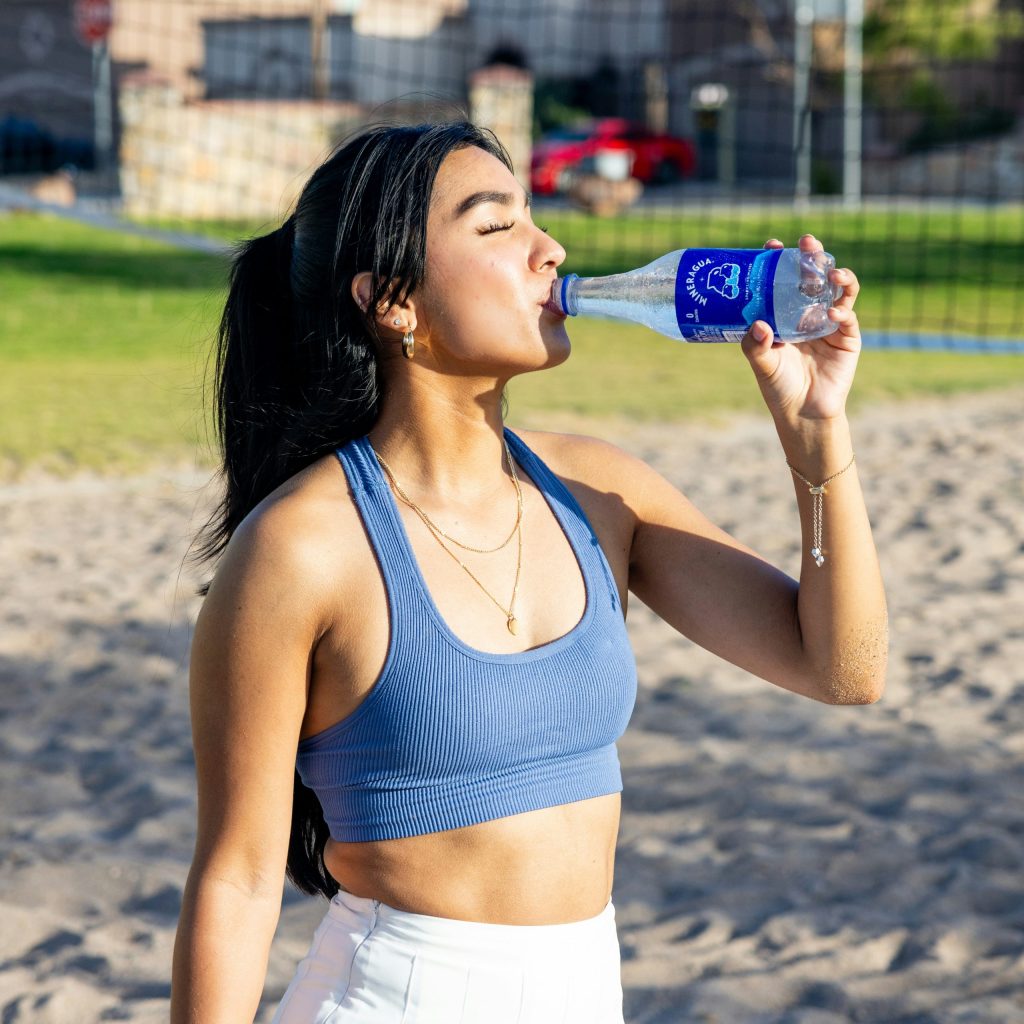
Are you tired of feeling sluggish and low on energy? Proper hydration plays a crucial role in maintaining your metabolic function. Staying hydrated keeps your bodily systems running efficiently, enhances your workouts, and aids in weight management. Discover the best hydration practices to elevate your metabolism and boost your overall health!
From understanding your body’s fluid needs to the timing of your water intake, this guide covers essential hydration practices. Let’s get you on the path to optimal metabolic function!
1. Drink Plenty of Water Daily – Best For Overall Hydration
Nothing beats plain water for hydration. Ensuring that you’re drinking enough water each day is the first step toward maintaining a healthy metabolism.
Key Features:
- Promotes proper digestion
- Flushes out toxins
- Aids in nutrient absorption
Pros:
- Inexpensive and accessible
- Zero calories
- Easy to track intake
Cons:
- Can be bland for some
- Requires regular replenishment
2. Incorporate Electrolytes – Best For Balanced Hydration
Electrolytes like sodium, potassium, and magnesium help regulate hydration levels in your body. Including them can enhance your metabolic function, especially after intense workouts.
Key Features:
- Supports nerve function
- Aids in hydration retention
- Boosts athletic performance
Pros:
- Enhances recovery time
- Improves exercise endurance
- Variety of tasty options available
Cons:
- Some products may contain sugar
- Excessive intake can be harmful
3. Consume Water-Rich Foods – Best For Convenient Hydration
Adding foods with high water content such as watermelon, cucumbers, and oranges can support your hydration efforts while providing essential nutrients.
Key Features:
- Naturally low in calories
- Rich in vitamins and minerals
- Offers additional fiber
Pros:
- Delicious and versatile options
- Promotes fullness
- Enhances nutrition
Cons:
- Less effective than plain water
- Not portable for all meals
4. Drink Before Meals – Best For Appetite Control
Having a glass of water before eating can aid digestion and help control appetite, contributing to better weight management.
Key Features:
- Boosts metabolism slightly
- Reduces overeating
- Preps stomach for digestion
Pros:
- Easy habit to implement
- Supports satiety
- Promotes healthy eating behavior
Cons:
- May cause discomfort if overdone
- Not suitable if consuming high-sodium meals
5. Limit Sugary Drinks – Best For Energy Management
Curbing your intake of sugary beverages can reduce calorie intake and maintain stable energy levels, improving metabolic function.
Key Features:
- Reduces excess calorie intake
- Supports better hydration
- Decreases risk of metabolic syndrome
Pros:
- Improves overall health
- Enhances energy levels
- Promotes weight management
Cons:
- Requires habit change
- May lead to cravings initially
6. Monitor Your Color – Best For Hydration Awareness
Paying attention to the color of your urine can give you valuable insights into your hydration status. A pale yellow indicates adequate hydration.
Key Features:
- Simple self-assessment method
- Immediate feedback on hydration
- Encourages regular water intake
Pros:
- Quick and easy to check
- Noninvasive method
- Increases hydration awareness
Cons:
- May be influenced by diet
- Not a foolproof method
7. Temperature Matters – Best For Comfort
Drinking water at a preferred temperature can increase your likelihood of consuming enough fluids throughout the day.
Key Features:
- Encourages higher consumption
- Improves comfort level
- May enhance digestion
Pros:
- Personalized drinking experience
- Helps customize hydration habits
- Encourages consistent intake
Cons:
- Preference can vary significantly
- Requires experimentation
8. Set Reminders – Best For Consistent Hydration
Using alarms or apps to remind you to drink water can help foster a routine and ensure you’re meeting your hydration goals each day.
Key Features:
- Improves hydration habits
- Makes tracking intake easier
- Reminds you to drink regularly
Pros:
- Promotes mindfulness about hydration
- Adaptable to your schedule
- Accessible through smartphone technology
Cons:
- Can become annoying
- Requires initial setup
9. Stay Hydrated During Exercise – Best For Performance
Hydration is crucial during workouts as it helps sustain performance and speed up recovery. Drinking water during and after exercise is essential.
Key Features:
- Prevents dehydration during workouts
- Enhances physical performance
- Aids post-exercise recovery
Pros:
- Improves endurance
- Supports metabolic functions
- Minimizes fatigue
Cons:
- May lead to gastrointestinal discomfort if overdone
- Requires planning for longer workouts
10. Make Water Convenient – Best For Accessibility
Keeping water accessible, whether it be in your car, at your desk, or in your gym bag, encourages you to drink more throughout the day.
Key Features:
- Facilitates regular consumption
- Encourages hydration habits
- Reduces effort to hydrate
Pros:
- Supports consistent intake
- Reduces chances of forgetting
- Builds a hydration routine
Cons:
- Requires planning ahead
- Can lead to waste if not finished
How to Choose the Right Hydration Practices
Selecting the best hydration practices for your lifestyle involves assessing your daily activities, physical exertion levels, and personal preferences. Pay attention to your body’s signals, integrate tips that feel easy to adopt, and track your progress to find what suits you best. Remember, the key is consistency!
#Hydration #MetabolicHealth #WellnessJourney #HealthyLiving #WaterIntake #NutritionTips #FitnessGoals #StayHydrated