


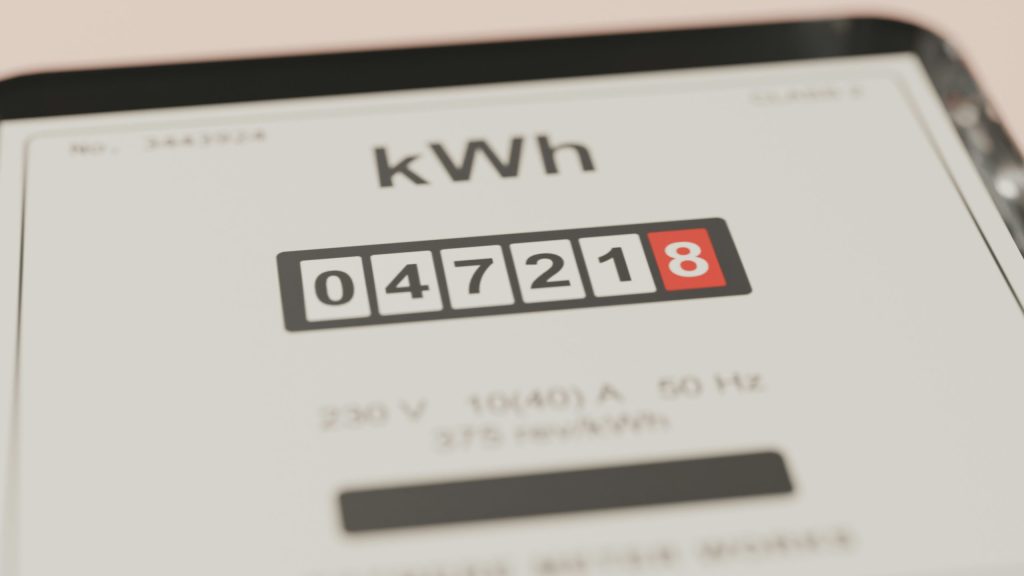
Are rising utility bills draining your wallet? Discover simple energy-saving habits that can significantly cut costs without sacrificing comfort. With a few mindful changes to your daily routine, you can save money and help the planet!
This listicle reveals ten powerhouse habits that anyone can adopt to reduce their energy consumption and lower those pesky utility bills. Let’s dive in!
1. Unplug Devices When Not in Use – Best For Immediate Savings
Many electronic devices continue to draw power even when they’re turned off. Unplugging chargers, appliances, and electronics can lead to immediate savings on your utility bill.
Key Features:
- Reduces phantom energy consumption.
- Easy to implement with power strips.
- Minimal effort for significant savings.
Pros:
- Immediate reduction in electricity usage.
- Encourages mindful habits.
- Low-cost or no-cost solution.
Cons:
- Inconvenient for frequently used devices.
- May require habit adjustments.
2. Switch to LED Bulbs – Best For Long-Term Savings
Replacing traditional incandescent bulbs with LED bulbs will drastically lower your energy bills as LEDs consume 75% less energy and last much longer.
Key Features:
- Lasts up to 25 times longer than incandescent bulbs.
- Uses significantly less energy.
- Dimmable options available for ambiance.
Pros:
- Reduces switching frequency and costs.
- Available in various styles and colors.
- Environmentally friendly choice.
Cons:
- Higher initial cost compared to incandescent bulbs.
- Some may find the brightness too intense.
3. Use a Programmable Thermostat – Best For Maximum Comfort
A programmable thermostat allows you to set your heating and cooling systems to run only when needed, ensuring you don’t waste energy.
Key Features:
- Adjusts temperature automatically based on a schedule.
- Can be controlled remotely via smartphone.
- Energy usage statistics help track savings.
Pros:
- Greatly reduces heating and cooling costs.
- Easy to program and set to personal preferences.
- Potentially eligible for utility rebates.
Cons:
- Initial cost can be high.
- May require some learning curve for use.
4. Seal and Insulate Your Home – Best For Year-Round Savings
Air leaks and inadequate insulation can lead to significant energy loss. Sealing gaps and adding insulation can keep your home comfortable and lower energy bills.
Key Features:
- Reduces drafts significantly.
- Improves heating and cooling efficiency.
- Offers long-term cost-saving benefits.
Pros:
- Enhanced overall home comfort.
- Lower energy bills year-round.
- Increases home value.
Cons:
- Initial investment can be substantial.
- May require professional assistance for best results.
5. Wash Clothes in Cold Water – Best For Laundry Savings
Heating water for laundry is one of the biggest energy drains. Washing clothes in cold water can save substantial energy without compromising cleanliness.
Key Features:
- Cold water washing reduces electricity use.
- Gentler on fabric, prolonging clothing life.
- Works well with modern detergents designed for cold water.
Pros:
- Significantly lowers energy consumption.
- Your clothes stay vibrant and last longer.
- Convenient for everyday laundry.
Cons:
- May not be suitable for heavily soiled clothes.
- Some stains may require warm water for removal.
6. Optimize Your Refrigerator Temperature – Best For Food Preservation
Setting your refrigerator to the optimal temperature (usually between 35°F and 38°F) can improve energy efficiency and extend the life of your food.
Key Features:
- Maintains food at ideal freshness.
- Reduces the energy needed for cooling.
- Simple adjustment for immediate savings.
Pros:
- Enhances food preservation.
- Saves you money on electricity.
- Improves appliance longevity.
Cons:
- Requires regular monitoring for optimal settings.
- Minor adjustments might need testing.
7. Air Dry Clothes and Dishes – Best For Eco-Conscious Homeowners
Using air drying for laundry and dishes not only saves energy but also reduces wear and tear on these items, ultimately saving you money.
Key Features:
- Avoids energy costs for drying appliances.
- Eco-friendly option to reduce carbon footprint.
- Gentle on fabric and dishware.
Pros:
- Requires no additional equipment.
- Efficient in summer months.
- Maintains quality of your items.
Cons:
- Can take longer than using machines.
- May not be practical in colder, humid weather.
8. Limit Heat Usage in Heating Seasons – Best For Consistent Comfort
Lowering your thermostat by just a few degrees during winter can lead to significant heating cost savings without compromising comfort.
Key Features:
- Creates cozy indoor atmosphere even at lower temps.
- Allows for consistent energy consumption tracking.
- Works well with layered clothing strategies.
Pros:
- Can save hundreds per year on heating bills.
- Encourages better personal comfort habits.
- Less strain on heating systems.
Cons:
- Requires adjustment for some individuals.
- May be uncomfortable for some during extreme temperatures.
9. Go Solar – Best For Long-Term Sustainability
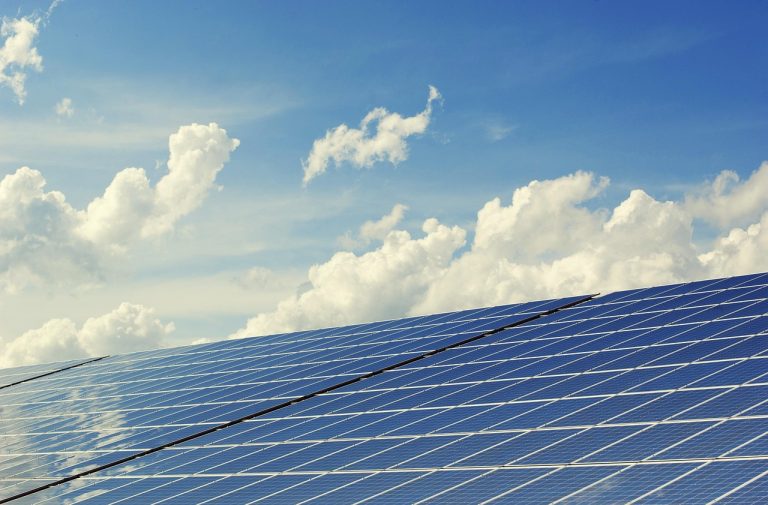
Investing in solar panels can drastically reduce your dependence on grid energy, thereby slashing those utility bills for years to come.
Key Features:
- Generates own electricity from renewable source.
- Can increase home value significantly.
- Often comes with tax incentives and rebates.
Pros:
- Substantial long-term savings on bills.
- Environmentally friendly choice.
- Offered in various financing options for budget flexibility.
Cons:
- High initial investment cost.
- Dependent on sunlight availability.
10. Practice Smart Landscaping – Best For Natural Energy Efficiency
Strategically planting trees or shrubs can create natural windbreaks and shade, which in turn can reduce heating and cooling needs and save money.
Key Features:
- Supports energy-efficient cooling in summer.
- Enhances the aesthetics of your home.
- Can increase property value.
Pros:
- Long-term energy savings potential.
- Environmental benefits including improved air quality.
- Enhances outdoor living spaces.
Cons:
- Requires time for trees and plants to mature.
- Initial landscaping costs can be significant.
How to Choose the Right Energy-Saving Habit
When selecting energy-saving habits, consider your daily routines, the initial costs, and practical implementation. Start small with a few adaptable habits, then gradually incorporate additional strategies as you become more comfortable with energy-saving practices. Over time, you’ll notice significant savings and a positive impact on the environment!
#EnergySaving #UtilityBills #SmartHome #EcoFriendly #SustainableLiving #CostSaving #HomeImprovement