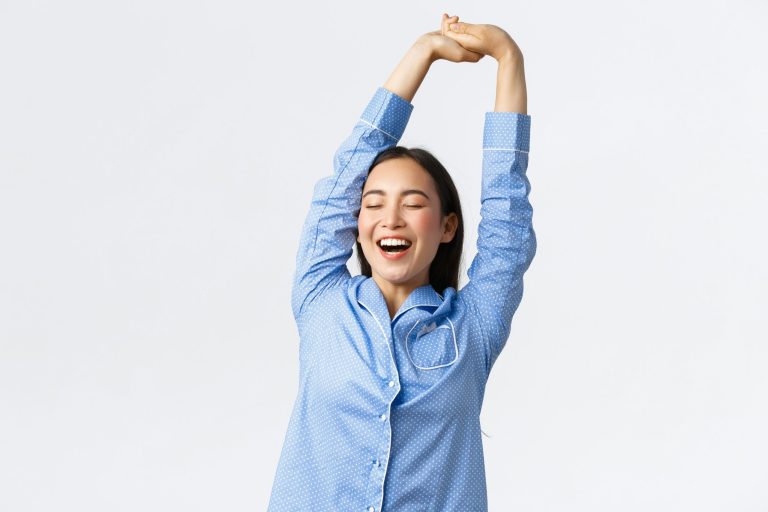

Are you tired of feeling sluggish on your rest days? It’s essential to allow your body time to recover, but that doesn’t mean you have to be inactive! Discover the best active rest day activities that promote healing and rejuvenation, allowing you to stay fit and ready for your next workout. Here’s how to keep your body moving while ensuring optimal recovery.
From gentle stretching to leisurely walks, these activities not only aid in faster healing but also keep your mind engaged and your body refreshed. Let’s dive in!
1. Yoga – Best For Flexibility and Relaxation
Yoga is not just a physical exercise; it’s a holistic approach to enhancing flexibility while calming the mind. Incorporating gentle yoga poses can significantly aid in muscle recovery and help reduce soreness.
Key Features:
- Improves flexibility
- Enhances mental clarity
- Reduces stress levels
Pros:
- Accessible for all fitness levels
- Promotes deep breathing techniques
- Can be done anywhere
Cons:
- Not intensive enough for some
- May require guidance for beginners
2. Walking – Best For Low-Impact Cardio
One of the simplest yet most effective activities, walking promotes circulation and helps flush out toxins in the muscles. It’s easy to do and can be enjoyed solo or with friends.
Key Features:
- Boosts cardiovascular health
- Enhances muscle recovery
- Low risk of injury
Pros:
- Free and accessible
- Can help clear your mind
- Adjustable pace for all fitness levels
Cons:
- May feel too easy for high-level athletes
- Requires a good walking area
3. Swimming – Best For Total Body Recovery
Swimming is a fantastic full-body workout that is easy on the joints. It promotes healing by providing resistance and supporting your body, making it ideal for recovery days.
Key Features:
- Builds endurance
- Enhances muscle tone
- Great for joint mobility
Pros:
- Cooling effect on the body
- No weight-bearing stress
- Can improve lung capacity
Cons:
- Access to a pool may be required
- Can be challenging to stay motivated alone
4. Pilates – Best For Core Strengthening
Pilates focuses on core stability and flexibility, providing a perfect balance of strength training and stretching on your rest days. It helps strengthen muscles while being low-impact.
Key Features:
- Focuses on core muscles
- Increases body awareness
- Improves posture
Pros:
- Can be practiced at home
- Beneficial for athletes and non-athletes
- Variety of exercises available
Cons:
- Initial learning curve
- Potential equipment cost for home practice
5. Light Cycling – Best For Leg Recovery
Light cycling helps maintain cardiovascular fitness without putting excess strain on your legs. It’s an excellent way to stimulate blood flow and promote healing.
Key Features:
- Active low-impact exercise
- Improves circulation
- Strengthens leg muscles
Pros:
- Can be done outdoors or indoors
- Adjustable resistance
- Great for socializing with friends
Cons:
- Requires access to a bike or stationary bike
- May cause discomfort if done too intensely
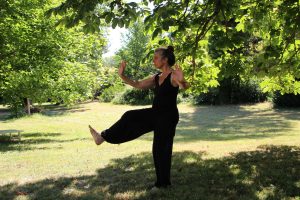
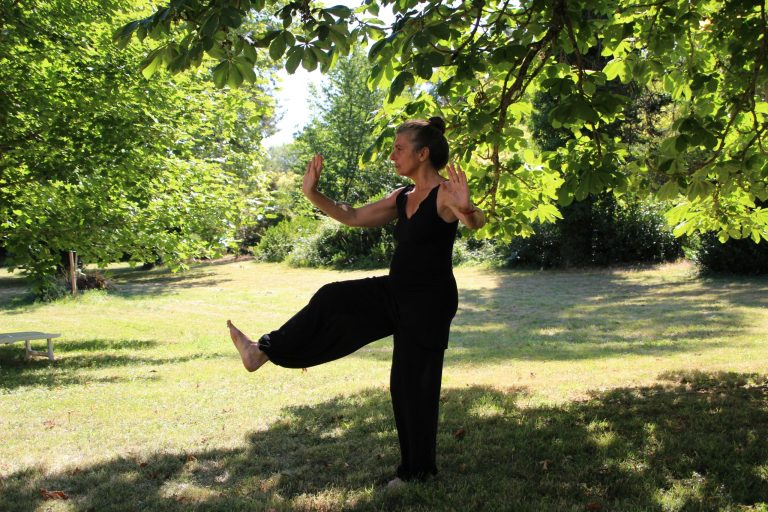
6. Tai Chi – Best For Balance and Mindfulness
Tai Chi is a gentle form of martial arts that emphasizes slow, controlled movements. It helps improve balance, coordination, and relaxation, making it perfect for active rest days.
Key Features:
- Enhances balance and coordination
- Reduces stress and anxiety
- Improves flexibility
Pros:
- Suitable for all ages
- No equipment needed
- Promotes mindfulness and mental clarity
Cons:
- May feel slow for active individuals
- Requires practice to master techniques
7. Foam Rolling – Best For Muscle Recovery
Foam rolling is an excellent self-myofascial release technique that helps release muscle tightness and promote blood flow. It’s an essential part of recovery that can be done at home.
Key Features:
- Reduces muscle soreness
- Improves flexibility
- Enhances blood circulation
Pros:
- Easy to incorporate into your routine
- Can be done anywhere
- Affordable equipment
Cons:
- Can be uncomfortable at first
- Requires proper technique for effectiveness
8. Light Hiking – Best For Nature Lovers
If you love the outdoors, light hiking is a perfect way to stay active while enjoying nature. It’s great for achieving a mental break and improving your mood as well.
Key Features:
- Promotes cardiovascular health
- Connects you to nature
- Can improve leg strength
Pros:
- Accessible in various locations
- Adjustable intensity levels
- Can be a social activity
Cons:
- Weather dependent
- Requires access to trails
9. Dance – Best For Enjoyment and Cardiovascular Health
Dancing is a fun way to stay active without it feeling like a chore. Whether alone or in a class, dancing can boost your mood while providing a great cardiovascular workout.
Key Features:
- Increases heart rate
- Enhances coordination and rhythm
- Boosts endorphin levels
Pros:
- No special equipment needed
- Can be enjoyed alone or with friends
- Variety of styles
Cons:
- May lead to overexertion if done too vigorously
- Requires space for movement
10. Gardening – Best For Physical Activity
Gardening is often overlooked as a form of active rest, yet it involves various movements that enhance flexibility, strength, and cardiovascular health. Plus, it gives you the satisfaction of nurturing plants.
Key Features:
- Provides physical engagement
- Connects you with nature
- Improves mental well-being
Pros:
- Therapeutic benefits
- Can be done at your own pace
- Yield beautiful results
Cons:
- May cause strain if overdone
- Time-consuming
How to Choose Your Active Rest Day Activities
When selecting activities for your rest days, consider your personal fitness level, preferences, and what benefits you aim to achieve. Focus on low-impact exercises that allow for recovery but still engage your body. Mix and match these activities to keep things fresh and enjoyable for your mind and body!
#ActiveRestDays #RecoveryActivities #FitnessJourney #MindfulMovement #HealthyLiving #WellnessTips #HealingThroughMovement #StayActive