



Are you ready to elevate your travel photography game? Understanding composition is the key to transforming ordinary snapshots into stunning visual storytelling. No matter your skill level, these essential tips will help you capture the beauty of the world around you more creatively and effectively.
From framing your shots to the importance of light, these tips are designed with beginners in mind. Grab your camera, and let’s dive into the art of composition!
1. Rule of Thirds – Best For Making Your Photos More Balanced
By using the Rule of Thirds, you can create a more dynamic photo composition that draws viewers’ eyes to the most important elements. Imagine your image divided into a 3×3 grid; placing subjects along these lines creates balance.
Key Features:
- Divides the image into thirds for balance
- Encourages the placement of focal points
- Helps create leading lines
Pros:
- Improves visual interest
- Easy to apply
- Applicable to various types of photography
Cons:
- Can feel restrictive at times
- May require cropping
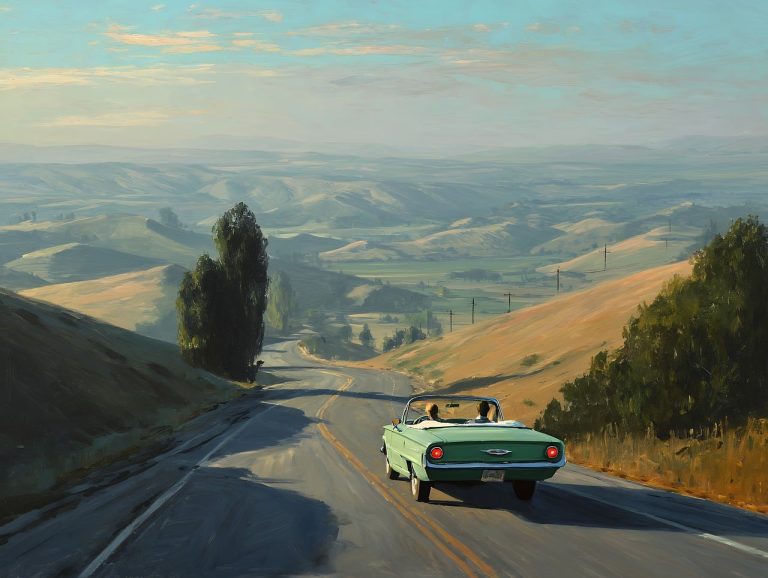
2. Leading Lines – Best For Guiding the Viewer’s Eye
Utilizing natural lines in your surroundings (like roads, bridges, or rivers) helps guide viewers toward the main subject. This technique enhances depth and perspective, making your travel images more engaging.
Key Features:
- Creates a strong path for the viewer’s eye
- Adds depth to your photography
- Enhances storytelling in photos
Pros:
- Boosts the aesthetic appeal
- Creates focal points
- Highlights the journey aspect of travel
Cons:
- Can be challenging to find in some settings
- May require specific angles
3. Framing – Best For Focusing Attention on the Subject
Framing involves creating a ‘frame’ inside your photograph using elements such as trees, windows, or arches. This technique draws attention to your subject, making it stand out against its surroundings.
Key Features:
- Focuses attention on subjects
- Adds layers to images
- Encourages exploration of the surroundings
Pros:
- Enhances depth and context
- Makes compositions feel more complete
- Increases engagement
Cons:
- Requires careful planning
- May create busy images if overdone
4. Symmetry – Best For Creating Stunning and Striking Images
Symmetrical compositions can create a sense of balance and harmony. Look for symmetrical elements such as buildings, natural landscapes, or even reflections in water to create visually striking images.
Key Features:
- Creates visually pleasing images
- Communicates a sense of order
- Perfect for architectural photography
Pros:
- Inherently attractive to viewers
- Easy to create and recognize
- Works well in a variety of contexts
Cons:
- Can feel repetitive
- Must avoid dull compositions
5. Negative Space – Best For Highlighting Your Main Subject
Using negative space can help isolate your subject and allow it to shine. By surrounding your focal point with empty areas, you emphasize its importance and create a minimalist aesthetic.
Key Features:
- Enhances focus on the subject
- Creates a clean, modern look
- Helps reduce clutter in images
Pros:
- Encourages creativity
- Makes images feel airy and light
- Often leads to striking visuals
Cons:
- May appear too simple to some
- Requires a good eye for balance
6. Contrast – Best For Adding Depth and Interest
High contrast can make your images pop and grab the attention of viewers. Use contrasting colors, light, and dark, or textures to create a more striking composition.
Key Features:
- Enhances visual drama
- Makes elements stand out
- Encourages emotional response
Pros:
- Creates eye-catching images
- Allows for creative exploration
- Works in a variety of settings
Cons:
- Can be overwhelming if overused
- Requires careful consideration of light
7. Perspective – Best For Creating Unique and Engaging Shots
Experimenting with different perspectives can dramatically change the impact of your images. Try shooting from high above, ground level, or even through objects to add a fresh twist to your travel photos.
Key Features:
- Encourages creative exploration
- Adds uniqueness to your photos
- Can convey emotions effectively
Pros:
- Creates striking visual narratives
- Inspires viewers’ curiosity
- Enhances storytelling potential
Cons:
- May require extra effort and time
- Your subjects may appear less relatable
8. Depth of Field – Best For Professional-Looking Images
Controlling depth of field can create a professional look in your photos. Use a wide aperture to blur backgrounds and emphasize your subject, giving your images a three-dimensional feel.
Key Features:
- Adds emphasis to the subject
- Creates a beautiful bokeh effect
- Enhances depth
Pros:
- Achieves a high-end photography look
- Highlights important elements
- Great for portrait and macro photography
Cons:
- Requires understanding of camera settings
- Can be challenging for beginners
9. Lighting – Best For Setting the Mood and Tone
Good lighting can make all the difference in your photos. Always be aware of how natural and artificial light affects your subject. Golden hour lighting, for example, can add warmth and drama to your images.
Key Features:
- Enhances the quality of your photos
- Sets mood and tone
- Can change the perception of colors
Pros:
- High potential for beautiful effects
- Dramatic impact on the story
- Easily accessible with practice
Cons:
- Requires planning and timing
- Can sometimes be unpredictable
10. Tell a Story – Best For Meaningful and Memorable Impressions
Every photo has the power to tell a story. Focus on creating images that convey an experience, emotion, or message to engage viewers beyond just the visual appeal.
Key Features:
- Creates a deeper connection with viewers
- Encourages curiosity and engagement
- Can transform ordinary moments into memorable experiences
Pros:
- Nurtures creative expression
- Enhances the narrative of your travels
- Makes photos more relatable
Cons:
- Requires thoughtful planning
- Can be subjective to interpretation
How to Choose the Right Composition Tips
When starting with travel photography, it’s best to familiarize yourself with various composition techniques. Experiment with each one to see what resonates most with your style. Consider the type of scenes you’re capturing and the emotions you want to convey. Over time, you’ll intuitively know which techniques to apply in different scenarios to achieve your desired results.
#TravelPhotography #PhotographyTips #CompositionTips #BeginnerPhotographers #TravelInspo #PhotoComposition #ExploreTheWorld #VisualStorytelling