


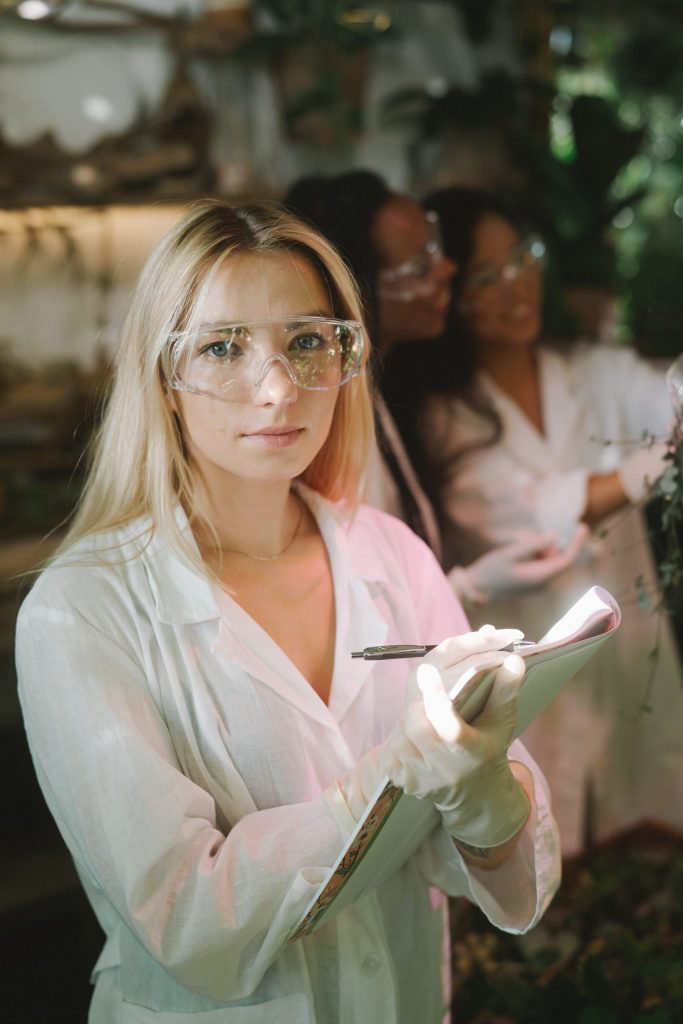
Are you ready to dive into the fascinating world of plant adaptations? Bringing life into your classroom, these investigation labs will not only engage your students but also ignite their curiosity about botany. From understanding how plants thrive in varying environments to hands-on experimental activities, these labs are perfect for sparking discussions about the science of nature.
With these top 7 labs, you’ll discover innovative ways to teach plant adaptation concepts effectively. Let’s explore the best hands-on investigations suitable for any classroom setting!
1. Seed Dispersal Mechanisms – Best For Understanding Movement
This lab focuses on how seeds spread for optimal growth. Students will investigate various seed types and their dispersal methods, simulating wind, water, and animal dispersal techniques.
Key Features:
- Hands-on investigation of seed types.
- Simulations of natural dispersal methods.
- Creative student presentations on findings.
Pros:
- Encourages teamwork and collaboration.
- Enhances understanding of plant biodiversity.
- Promotes critical thinking and problem-solving skills.
Cons:
- Requires outdoor space for some activities.
- May need additional resources for simulations.
2. Photosynthesis Experiment – Best For Demonstrating Energy Conversion
This classic lab enables students to observe photosynthesis in real-time. By using aquatic plants like Elodea, the effects of light intensity on oxygen production can be visualized.
Key Features:
- Visual evidence of oxygen production.
- Low-cost materials (e.g., water plants, light sources).
- Proven methodology in science education.
Pros:
- Engaging visual results in real-time.
- Encourages questions about plant energy sources.
- Easy to replicate in different classroom settings.
Cons:
- Dependent on proper light exposure.
- Requires time for setup and monitoring.
3. Adaptation Survival Challenge – Best For Interactive Learning
In this exciting and interactive challenge, students create adaptations for a plant species based on hypothetical environmental changes. They work in groups to devise adaptations that would ensure survival, leading to a lively class discussion.
Key Features:
- Fosters creativity and imagination.
- Interactive role-play learning experience.
- Enables peer-to-peer teaching and feedback.
Pros:
- Promotes deeper understanding of adaptive traits.
- Encourages collaboration and teamwork.
- Highly engaging and fun for students.
Cons:
- Requires careful planning for effective execution.
- Time-consuming for large classrooms.
4. Plant Growth in Varying Conditions – Best For Experimental Science
This lab investigates how environmental factors like light, water, and temperature affect plant growth. Students set up their own experiments, making predictions and recording observations over time.
Key Features:
- Customizable experiments based on available resources.
- Longitudinal study promoting patience and observation.
- Data collection and presentation practices.
Pros:
- Hands-on experience fosters a scientific mindset.
- Encourages personal responsibility and accountability.
- Develops analytical skills through observation and reporting.
Cons:
- Requires longer time frames for measurable results.
- Pest control and maintenance may be necessary.
5. Plant Hormone Effects – Best For Understanding Growth Regulation
This lab allows students to explore how plant hormones (like auxins) influence growth patterns. By performing experiments on plant cuttings and observing changes in growth direction, students gain insights into the role of hormones.
Key Features:
- Illustrates complex biological processes simply.
- Utilizes common garden plants for investigations.
- Encourages critical evaluation of experimental design.
Pros:
- Hands-on learning with tangible outcomes.
- Provides a basis for discussions on plant biology.
- Fosters curiosity about internal and external factors.
Cons:
- May need additional explanation of plant biology.
- Requires careful handling of plant specimens.
6. Drought Resistance Studies – Best For Real-World Applications
In this lab, students explore how different plants adapt to drought conditions. By analyzing xerophyte species and their strategies for water conservation, students connect scientific concepts to real-world issues such as climate change.
Key Features:
- Focuses on current environmental challenges.
- Relates plant biology to global concerns.
- Promotes empathy and critical thinking about conservation.
Pros:
- Engaging and relevant to students’ lives.
- Encourages collaboration with environmental science.
- Stimulates discussions about biodiversity impacts.
Cons:
- Access to diverse plant species may be limited.
- Some students may require more context on drought issues.
7. Tropical vs. Desert Plant Adaptations – Best For Comparative Analysis
This comparative lab examines differing adaptations of plants from tropical versus desert environments. Students analyze characteristics such as leaf structure, water storage, and reproductive strategies, highlighting their significance to survival.
Key Features:
- Emphasizes biodiversity and adaptation strategies.
- Hands-on visual comparisons inspired by real habitats.
- Encourages critical observation and data interpretation.
Pros:
- Fosters appreciation for diverse ecosystems.
- Encourages teamwork through group presentations.
- Reinforces key scientific concepts of adaptation.
Cons:
- May necessitate access to varied plant samples.
- Time-intensive to gather and present data.
How to Choose the Right Lab for Your Classroom
Selecting the perfect lab for your students should depend on their learning styles, available resources, and the specific adaptations you want them to explore. Consider whether your focus is on hands-on activities, discussion-based learning, or long-term observation. Ultimately, aligning the lab with your curriculum goals will foster the best educational outcomes and enhance the learning experience.
#PlantAdaptations #BotanicalScience #ClassroomLabs #ScienceEducation #HandsOnLearning #Educators #PlantBiology