

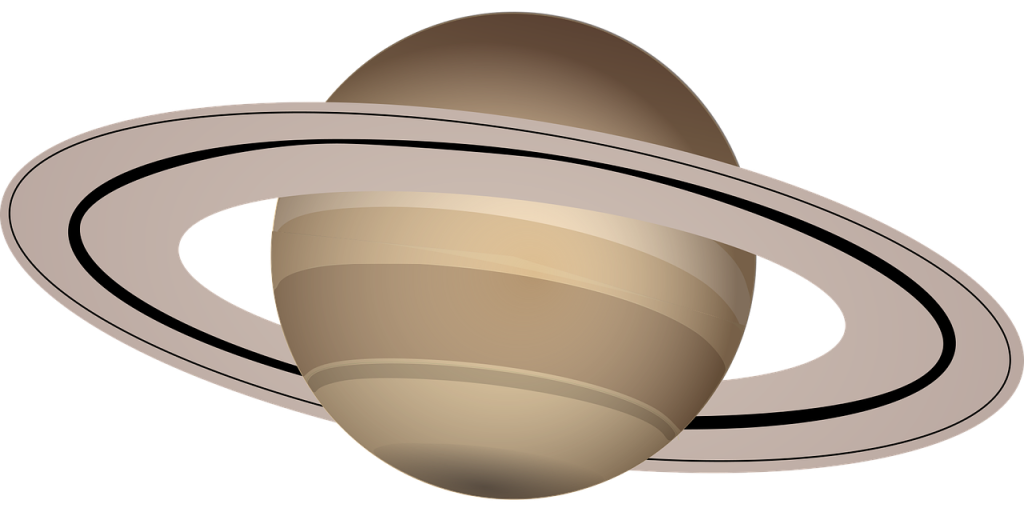
Are you ready to launch your science fair project into the stars? Astronomy is a fascinating field that offers a plethora of engaging and educational opportunities, especially for students eager to explore celestial bodies. From planets to stars, these projects will ignite your curiosity and provide hands-on experiences with the wonders of the universe.
This article will guide you through the top eight astronomy science fair projects that focus on tracking celestial bodies. Each project is designed to be both fun and informative, ensuring you’ll impress your teachers and classmates!
1. Solar System Model – Best for Understanding Planetary Motion
Create a scale model of the solar system to visualize the distances and sizes of various planets. This project helps learners grasp how celestial bodies orbit the sun and the relative distances between them.
Key Features:
- Interactive model to visualize orbits
- Educational insights into scale and distance
- Engaging for all age groups
Pros:
- Hands-on and creative
- Enhances understanding of planetary orbits
- Can be displayed easily
Cons:
- Time-consuming to construct
- Materials may be costly
- Requires research on planetary data
2. Star Tracking App – Best for Modern Technology Integration
Design an app that allows users to track the movement of stars in real-time using GPS. This project combines programming skills with astronomy, providing a modern twist on tracking celestial bodies.
Key Features:
- User-friendly interface
- Real-time star tracking
- Integration with GPS technology
Pros:
- High-tech and innovative
- Enhances tech skills
- Appealing to younger audiences
Cons:
- Requires programming knowledge
- Time-intensive development process
- Need for a reliable device to operate
3. Craters on the Moon – Best for Hands-On Experimentation
Simulate lunar craters using different objects dropped into a flour and cocoa mix. This project helps to illustrate how impacts create craters and provides insight into the moon’s surface.
Key Features:
- Visual demonstration of crater formation
- Simple materials needed
- Engaging and fun to replicate
Pros:
- Easy to set up and perform
- Visually appealing results
- Great for collaborative work
Cons:
- Might create a mess
- Limited scope of learning
- Results can be subjective
4. Solar Observation – Best for Direct Engagement with the Sun
Set up a solar observation experiment using a solar filter and telescope. This project allows participants to track sunspots and solar flares while promoting safe sun viewing practices.
Key Features:
- Hands-on astronomy experience
- Use of specialized equipment
- Educational on solar dynamics
Pros:
- Direct observation of the sun
- In-depth study of solar phenomena
- Develops observational skills
Cons:
- Requires expensive equipment
- Safety concerns without proper filters
- Limited observation opportunities
5. Planetarium Software – Best for Digital Education Tools
Develop a simple digital planetarium using software and a projector to simulate the night sky. This project transforms any space into an educational tool to explore stars and constellations.
Key Features:
- Interactive and immersive experience
- Customizable night sky views
- Educational programming included
Pros:
- Brings astronomy to life
- Engaging for large audiences
- Fosters interest in star-gazing
Cons:
- Potentially requires technical skills
- Need for projection equipment
- Time-consuming to set up
6. Meteor Showers Tracker – Best for Observational Studies
Track and document meteor showers over time using a simple logbook. This project encourages careful observation and fosters a greater understanding of celestial phenomena.
Key Features:
- Simple yet effective data collection
- Enhances observational skills
- Accessible to all ages
Pros:
- Great for teamwork
- Encourages scientific inquiry
- Requires minimal investment
Cons:
- Weather-dependent observations
- Limited time frame for active tracking
- Data analysis can be challenging
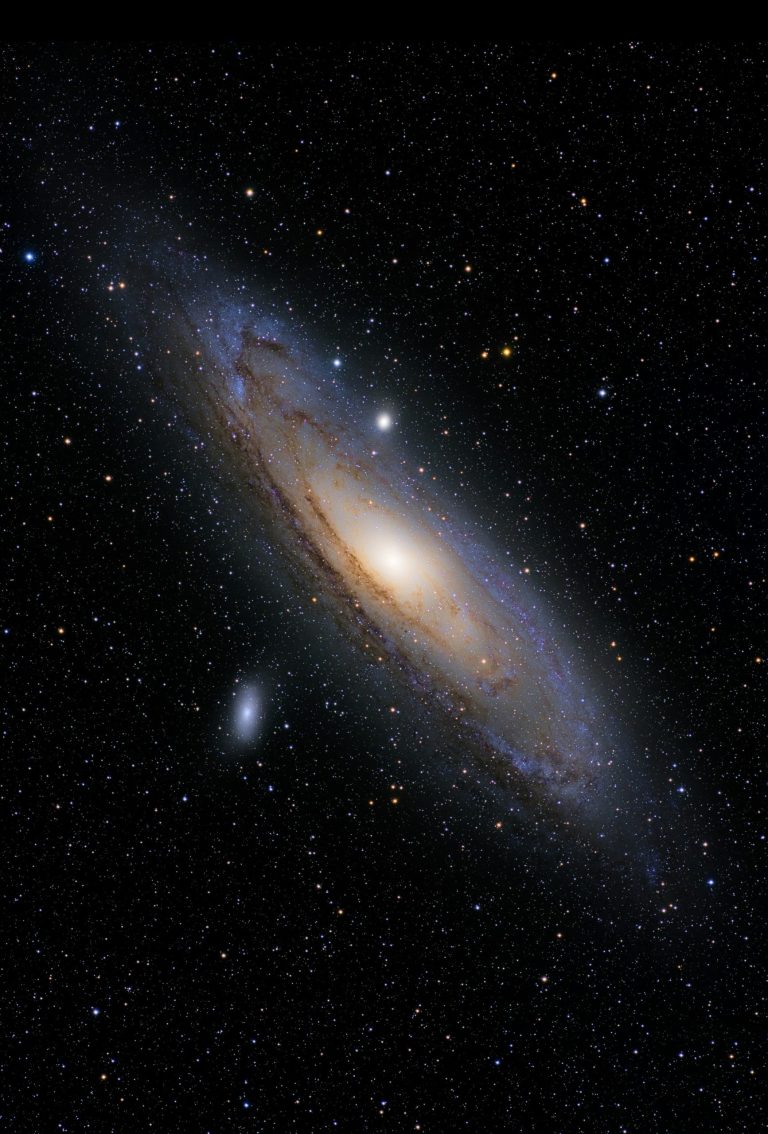
7. Galaxy Formation Model – Best for Visual Learners
Create a 3D model that illustrates the process of galaxy formation. This project demonstrates the beauty of cosmic evolution and helps to explain complex astronomical concepts visually.
Key Features:
- Visually compelling and informative
- Promotes creativity in presentation
- Educational content on galactic structures
Pros:
- Great visual aid for presentations
- Encourages creative thinking
- Easily shareable with peers
Cons:
- Construction can be intricate
- Material costs may add up
- Requires background research
8. Tracking Exoplanets – Best for Advanced Students
Research and simulate the detection of exoplanets using data analysis techniques. This project combines astronomy with math and physics, challenging students to think critically and apply their knowledge.
Key Features:
- Engagement with current astronomical research
- Hands-on data interpretation
- Applicable for advanced study
Pros:
- Innovative approach to learning
- Encourages analytical thinking
- Provides real-world applications
Cons:
- Requires advanced knowledge in science
- Data sets may be complex
- Equipment could be costly
How to Choose the Right Astronomy Project
When selecting an astronomy science fair project, consider your interests, available resources, and the age group of participants. Ensure the project challenges your knowledge while remaining fun and engaging. Think about whether you prefer hands-on activities, digital tools, or observational studies to find the project that excites you the most!
#AstronomyProjects #ScienceFairIdeas #CelestialBodies #STEMEducation #SpaceScience #AstronomyForKids #DIYScienceProjects #NASA