



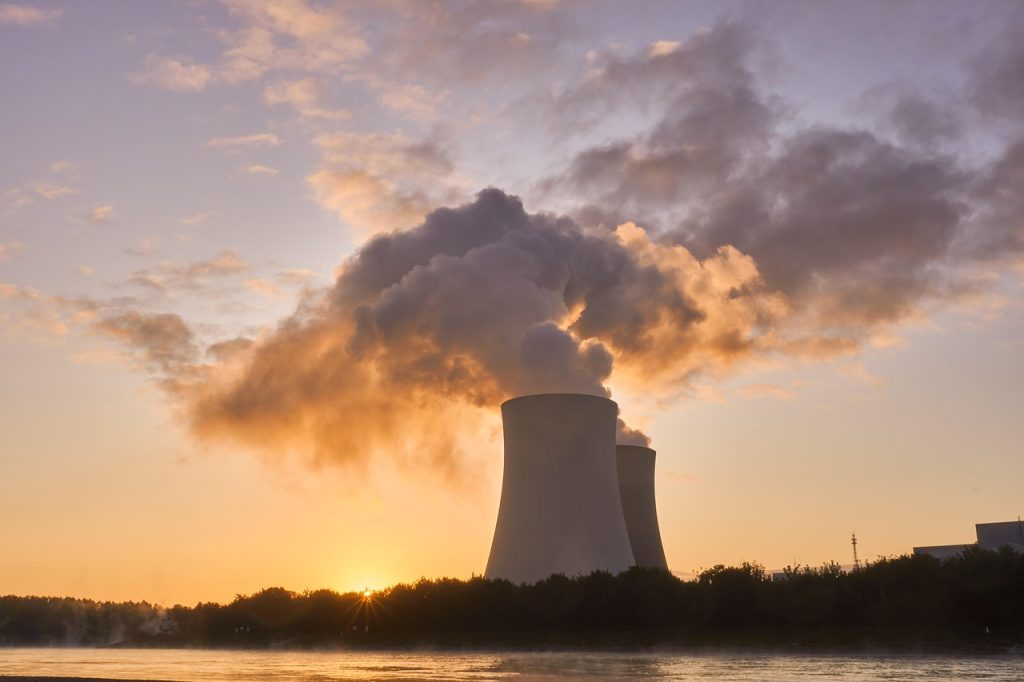
Are you curious about how nuclear physics is shaping the future of clean energy? Understanding the complex concepts behind nuclear energy can illuminate how this powerful source can help us combat climate change. This listicle explores ten critical nuclear physics concepts that are paving the way for cleaner, sustainable energy solutions.
From fusion to fission and beyond, these concepts are not just theoretical; they represent innovations that could transform our energy landscape. Let’s dive into the essentials!
1. Nuclear Fusion – Clean Power from the Stars
Nuclear fusion, the process that powers the sun, is hailed as the ultimate clean energy source. By fusing light atomic nuclei, it produces vast amounts of energy without the harmful waste that comes from fission.
Key Features:
- Produces minimal radioactive waste.
- Abundant fuel supply from isotopes like deuterium.
- Inherently safe, with no risk of meltdown.
Pros:
- High energy yield per reaction.
- Low environmental impact.
- Potential for virtually limitless energy.
Cons:
- Technological challenges in achieving stable reactions.
- High initial investment costs.
- Still in experimental stages for commercial use.
2. Nuclear Fission – Powering Our Present
Nuclear fission involves splitting heavy atomic nuclei, releasing significant energy. While fission reactors are currently used for electricity generation, improving their safety and waste management is crucial for a sustainable future.
Key Features:
- Proven technology in power generation.
- Efficient energy production.
- Generates large amounts of energy from small amounts of fuel.
Pros:
- Reliable base-load power generation.
- Low carbon emissions.
- Can complement renewable sources.
Cons:
- Long-lived radioactive waste.
- Risk of accidents and instances of public fear.
- High decommissioning costs.
3. Critical Mass – The Threshold for Reactions
Understanding critical mass is vital in nuclear physics. It’s the minimum amount of fissile material needed to maintain a nuclear chain reaction, which is essential for both nuclear reactors and nuclear weapons.
Key Features:
- Determines the efficiency of fission reactors.
- Essential for reactor design and safety.
- Affects fuel enrichment processes.
Pros:
- Critical for maximizing energy output.
- Informs safety protocols in reactors.
- Foundational concept in nuclear physics.
Cons:
- Misunderstanding can lead to safety risks.
- Limits fuel options in some reactors.
- Requires precise calculations and control.
4. Radioisotope Thermoelectric Generators (RTGs) – Small Scale, Big Impact
Used in space missions and remote installations, RTGs convert heat released by radioactive decay into electricity, showcasing how nuclear energy can be harnessed even in extreme environments.
Key Features:
- Long-lasting power sources.
- Minimal maintenance requirements.
- Compact and lightweight design.
Pros:
- Reliable in harsh conditions.
- Operates for decades without fuel replacement.
- Enables deep-space exploration.
Cons:
- Limited to specific applications.
- High initial cost for materials.
- Potential safety concerns regarding radioactive materials.
5. Breeder Reactors – Making Fuel from Waste
Breeder reactors generate more fissile material than they consume, utilizing uranium or thorium resources more efficiently and reducing nuclear waste significantly.
Key Features:
- Converts fertile isotopes into fissile isotopes.
- Extends the use of nuclear fuel.
- Reduces the volume of high-level waste.
Pros:
- Enhanced sustainability of nuclear energy.
- Potential to utilize existing waste as fuel.
- Helps to alleviate fuel supply concerns.
Cons:
- Complex technology with high costs.
- Limited operating experience globally.
- Public perception challenges.
6. Control Rods – The Heart of Nuclear Safety
Control rods are crucial for regulating the fission process in reactors. By absorbing neutrons, they ensure the reaction remains stable and safe, aiding in the control of nuclear reactors.
Key Features:
- Critical for safety in nuclear reactors.
- Adjust fuel neutron absorption.
- Prevent overheating and reactor meltdown.
Pros:
- Pivotal in reactor safety measures.
- Rapid response to potential issues.
- Enhances operational efficiency.
Cons:
- Reliance on mechanical systems can have failures.
- Need for regular maintenance and checks.
- This system has complexity in design and implementation.
7. Radiation Shielding – Protecting Our Environment
The importance of radiation shielding cannot be overstated. It protects both workers and the environment from harmful radiation in nuclear facilities, ensuring safe operations.
Key Features:
- Reduces exposure to ionizing radiation.
- Utilizes materials like lead, concrete, and water.
- Involves advanced engineering designs.
Pros:
- Enhances safety in nuclear energy production.
- Mitigates environmental risks.
- Essential for developing nuclear technologies.
Cons:
- High costs of construction and materials.
- Requires continuous monitoring.
- Complexity in design can lead to additional challenges.
8. Neutron Activation – Harnessing the Power of Neutrons
Neutron activation makes use of neutrons to produce isotopes for various applications, including medical and industrial uses, while also uncovering pathogenesis in materials.
Key Features:
- Produces useful radioactive isotopes.
- Identifies materials in various fields.
- Enables non-destructive testing methods.
Pros:
- Versatile applications beyond energy.
- Drives advancements in medical technology.
- Scientific understanding of materials enhances.
Cons:
- Requires sophisticated technology and infrastructure.
- Potential radiation hazards if mismanaged.
- Public acceptance challenges remain.
9. Thermal Neutron Reactors – Utilization of Lower Energy Neutrons
These reactors utilize thermal neutrons to sustain the fission process, which allows lower-grade fuels to be used efficiently, making them an important player in the nuclear energy sphere.
Key Features:
- Operates on slow-moving neutrons.
- Utilizes a variety of fuels, including unenriched uranium.
- Structured for maximum efficiency.
Pros:
- Lower operation costs due to fuel flexibility.
- Improved fuel efficiency.
- Widely used and understood technology.
Cons:
- Requires precise moderation of neutrons.
- Dependent on available water resources for moderation.
- Risk of pile-up of undesirable isotopes.
10. High-Temperature Gas-Cooled Reactors (HTGRs) – The Future of Safety and Efficiency
HTGRs use helium gas as a coolant, allowing for higher operational temperatures that result in greater efficiency and safety, positioning them as a strong candidate for future nuclear power generation.
Key Features:
- Produces steam at high temperatures for improved efficiency.
- Using inert gas as a coolant minimizes chemical reactions.
- Enhanced safety features including passive cooling systems.
Pros:
- Improved thermal efficiency.
- Increases safety margins significantly.
- Versatile for different applications, including hydrogen production.
Cons:
- Development and construction are costly.
- Technology still needs extensive validation.
- Public perception can be challenging.
How to Choose a Nuclear Physics Concept for Clean Energy
Choosing the right nuclear physics concept for clean energy depends on various factors:
- Assessing the existing technology and infrastructure available.
- Evaluating environmental impacts and safety measurements.
- Considering the economic feasibility and potential returns on investment.
Researching each concept’s benefits and challenges will guide informed decisions toward sustainable energy solutions.
#NuclearEnergy #CleanEnergy #SustainableLiving #Physics #RenewableEnergy #EnergyInnovation #FutureOfEnergy #EnergyEfficiency