


Are you looking to jump into the renewable energy sector or enhance an existing project? Understanding the various subsidies available for renewable energy grid integration can significantly boost your financial support and project feasibility. This list highlights the best subsidies that can help optimize your renewable energy solutions.
From state-specific grants to federal programs, we’ve compiled the essential financial aids that facilitate renewable energy integration into the existing grids. Dive in and discover how these subsidies can transform your energy project!
1. Federal Investment Tax Credit (ITC) – Best For Solar Energy Projects
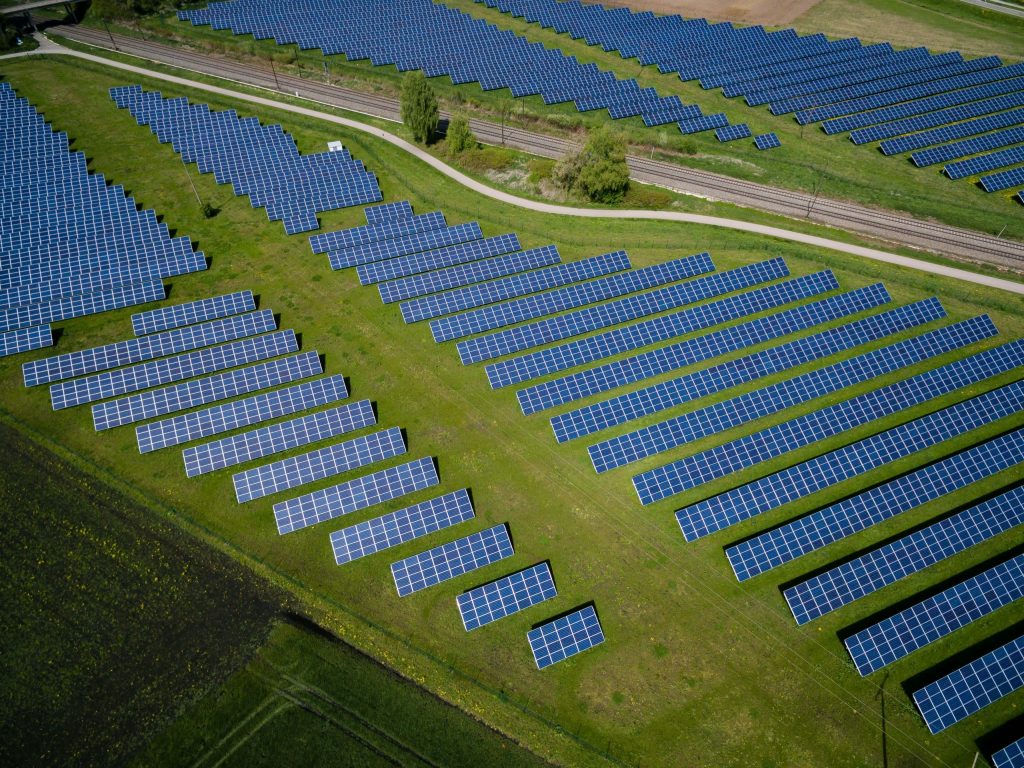
The Federal Investment Tax Credit (ITC) is a popular choice among solar energy developers. It offers a substantial tax credit, making solar projects far more affordable and attractive to investors.
Key Features:
- Tax credit of up to 30% for solar installations.
- No cap on the amount of the credit available.
- Applicable to both residential and commercial installations.
Pros:
- Significant savings on tax bills.
- Encourages widespread adoption of solar energy.
- Increases ROI on solar projects.
Cons:
- Requires tax liability to benefit.
- Complexity in application and eligibility procedures.
- Gradual phase-out in coming years.
2. Renewable Energy Certificates (RECs) – Best For Diversification of Revenue
Renewable Energy Certificates (RECs) are tradable commodities that represent proof that energy has been generated from renewable sources. Participating in REC markets can help energy producers diversify their revenue streams.
Key Features:
- Tradable certificates for each megawatt-hour produced.
- Market-based pricing allows for potential profit.
- Supports sustainability initiatives.
Pros:
- Additional income stream for renewable energy projects.
- Encourages increased renewable energy generation.
- Flexible market participation.
Cons:
- Market prices can be volatile.
- Requires active management and understanding of market regulations.
- Complex to navigate for newcomers.
3. State-Level Solar Incentive Programs – Best For Local Project Support
Many states offer their solar incentive programs to promote local renewable energy development. These programs vary in benefits and structure, providing tailored support for local developers.
Key Features:
- Incentives such as rebates, grants, or performance-based incentives.
- Specific eligibility criteria based on local policies.
- Encourages local job creation.
Pros:
- Localized support tailored to regional needs.
- Can be combined with federal incentives.
- Directly benefits the community and local economy.
Cons:
- Varies greatly by state.
- Limited funding availability.
- Changes in local legislation can impact incentives significantly.
4. Green Energy Grants – Best For Innovative Research Projects
Green energy grants are typically awarded by governmental and non-governmental organizations aimed at promoting innovation in renewable technologies. These grants help fund creative solutions in energy integration.
Key Features:
- No need for repayment as it is funding, not a loan.
- Encourages research and development.
- May cover project costs, equipment, and manpower.
Pros:
- Provides non-repayable funding for creative projects.
- Supports novel technology development.
- Can significantly reduce project costs.
Cons:
- Highly competitive application process.
- Stringent reporting requirements after funding is received.
- Time-consuming application procedures.
5. Power Purchase Agreements (PPAs) – Best For Long-Term Energy Revenue
Power Purchase Agreements (PPAs) are contracts between energy producers and buyers defining terms for energy sales. It is a great way to secure long-term revenue while boosting renewable energy project viability.
Key Features:
- Fixed pricing for energy sold.
- Guaranteed revenue stream for 15-25 years.
- Customizable terms based on project needs.
Pros:
- Hedges against market price fluctuations.
- Attracts investors due to predictable cash flow.
- Facilitates financing for new projects.
Cons:
- Requires negotiation and can be complex.
- Energy buyer’s creditworthiness affects agreements.
- Long-term commitment may deter flexibility.
6. The Department of Energy’s Loan Programs – Best For Large Nationwide Projects
The U.S. Department of Energy offers various loan programs designed to facilitate larger renewable energy projects. These loans can help cover developed technologies that support grid integration.
Key Features:
- Substantial financial support for large-scale projects.
- Long repayment terms to aid cash flow.
- Supports various renewable sources, including wind and solar.
Pros:
- Lower interest rates compared to traditional financing.
- Adequate funds for expansive projects.
- Aids in technology development and deployment.
Cons:
- Lengthy approval process.
- Requires thorough eligibility assessments.
- May require collateral or additional guarantees.
7. Investment in Grid Modernization Initiatives – Best For Infrastructure Support
Many states and local governments are now investing in grid modernization to support renewable energy integration effectively. These initiatives often come with financial incentives for developers participating in modernizing the grid.
Key Features:
- Financial support aimed at updating grid systems.
- Collaboration with technological firms for new solutions.
- Encourages reliability and efficiency improvements in energy distribution.
Pros:
- Aims to increase overall grid reliability.
- Can result in lower operational costs.
- Enhances efficiency in energy transfers.
Cons:
- Requires substantial upfront investment.
- May not include all regions equally.
- Requires coordination between multiple stakeholders.
8. Feed-in Tariffs (FiTs) – Best For Smaller Developers
Feed-in Tariffs (FiTs) guarantee fixed payments for energy produced from renewable sources. This program is ideal for smaller-scale renewable energy developers seeking a stable revenue model.
Key Features:
- Fixed rates for energy fed into the grid.
- Long-term contracts that encourage investment.
- Support for diverse energy sources.
Pros:
- Provides financial stability to emerging developers.
- Encourages small-scale renewable projects.
- Reduces entry barriers for new entrants in the market.
Cons:
- Differing rates and program availability by region.
- Longer waiting times for payment collection.
- Potential oversupply of smaller projects can lower tariffs.
How to Choose the Right Subsidy for Your Renewable Energy Project
When selecting a subsidy for your renewable energy venture, consider the following factors:
- Your project’s scale and type (solar, wind, etc.).
- Eligibility requirements and application processes.
- Potential for combining multiple subsidies for enhanced benefits.
- Long-term financial planning and market conditions.
By thoroughly evaluating your options and understanding the benefits and limitations, you can effectively navigate the variety of renewable energy grid integration subsidies available to you.
#RenewableEnergy #EnergySubsidies #SolarIncentives #SustainableDevelopment #GreenEnergy #FeedInTariffs #InvestmentTaxCredit #CleanEnergyInitiatives