



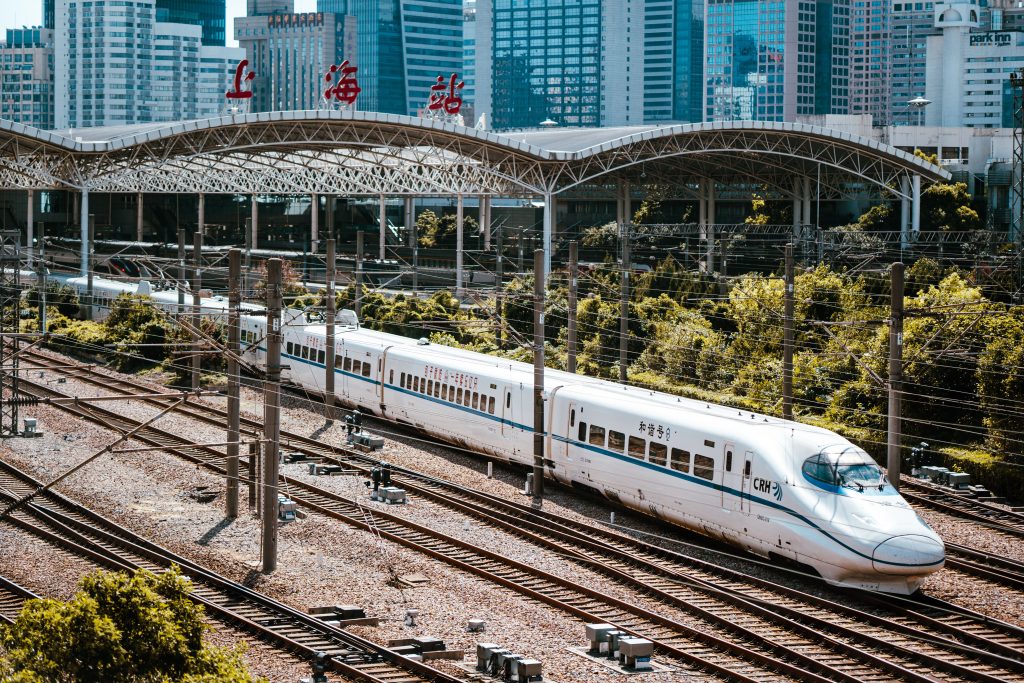
As cities expand and populations grow, the demand for efficient public transit options increases. High-speed rail and innovative public transportation policies can greatly enhance mobility and reduce carbon footprints. In this article, we explore seven groundbreaking policies that are reshaping transit across the globe.
Whether you’re an urban planner, a traveler, or just someone interested in how cities move people, these policies can inspire change in your community. Let’s dive into the top high-speed rail and public transit development policies driving progress today!
1. California High-Speed Rail – Best for Reducing Travel Time
The ambitious California High-Speed Rail project aims to connect major cities with high-speed trains, significantly decreasing travel time and promoting eco-friendly transportation.
Key Features:
- Designed to connect San Francisco and Los Angeles in under 3 hours
- Utilizes cutting-edge technology for energy efficiency
- Land acquisition encourages economic growth along the route
Pros:
- Reduces traffic congestion
- Decreases pollution levels
- Boosts local economies
Cons:
- Significant construction costs
- Political and public opposition at times
- Potential delays in project completion
2. United Kingdom’s Integrated Transport Strategy – Best for Seamless Connections
This strategy integrates train, bus, and bicycle systems to create a unified transit experience, making it easier for commuters to switch modes of transport.
Key Features:
- Offers real-time information across all transport services
- Encourages multimodal travel through coordinated schedules
- Invests in infrastructure improvements
Pros:
- Enhances commuter convenience
- Encourages use of public transit
- Reduces reliance on personal vehicles
Cons:
- Requires substantial investment
- Potential resistance from individual transport providers
- Implementation can be time-consuming
3. Japan’s Shinkansen System – Best for Speed and Efficiency
Renowned for its punctuality and safety, Japan’s Shinkansen provides a model for high-speed rail systems worldwide, demonstrating how investment in infrastructure pays off.
Key Features:
- Trains travel up to 200 mph
- Robust safety protocols
- Extensive coverage across major regions
Pros:
- Minimizes travel stress
- Cuts down on carbon emissions
- Attracts tourism
Cons:
- High initial construction costs
- Maintenance requires ongoing investment
- Limited flexibility in routing
4. Germany’s Deutsche Bahn – Best for Comprehensive Coverage
Germany’s national railway service offers effective public transit solutions and plays a pivotal role in integrating high-speed rail into the existing transportation framework.
Key Features:
- Extensive rail network connecting urban and rural areas
- High-speed trains reduce intercity travel time
- Innovative fare structures to encourage use
Pros:
- Accessible to a wide range of travelers
- Encourages sustainable transportation
- Increases tourism potential
Cons:
- Some areas underserved by public transit
- Regular maintenance can cause delays
- High operational costs
5. France’s TGV System – Best for Climate-Conscious Travelers
The TGV (Train à Grande Vitesse) demonstrates how high-speed rail can serve as an environmentally friendly alternative to air travel between major cities in France.
Key Features:
- Extensive network linking key urban centers
- Focus on reducing transit emissions
- Integrates seamlessly with local transit systems
Pros:
- Fast and reliable service
- Encourages corporate travel by rail
- Lower environmental impact compared to flights
Cons:
- High ticket prices during peak times
- Some routes face congestion
- Limited service in less-populated regions
6. Spain’s AVE High-Speed Train – Best for Regional Connectivity
Spain’s AVE high-speed trains connect major cities, providing efficient and comfortable travel options that have revitalized regional connections.
Key Features:
- Service speeds of over 190 mph
- Clean and modern train interiors
- Multiple connections to local transport
Pros:
- Encourages tourism between cities
- Improves economic development in rural areas
- Promotes the use of public transit
Cons:
- Expensive infrastructure development
- High operational costs
- Route planning can be limited
7. The Toronto Transit Commission (TTC) – Best for Urban Public Transport
The TTC focuses on enhancing urban public transport, providing a comprehensive network of buses, streetcars, and subways to meet the needs of a growing metropolitan area.
Key Features:
- Extensive coverage of the Greater Toronto Area
- Investment in electric buses for a cleaner fleet
- Accessibility initiatives for all riders
Pros:
- Integrated service across multiple modes of transport
- Support for local economies
- Improved air quality from reduced vehicle emissions
Cons:
- Challenging funding and budget constraints
- Service delays during peak hours
- Infrastructure aging issues
How to Choose the Right Transit Development Policy
When selecting transit development policies for your area, consider your specific needs, existing infrastructure, and community feedback. Successful transit policies should focus on sustainability, efficiency, and connectivity to ensure long-term viability and public acceptance.
#HighSpeedRail #PublicTransit #TransitPolicies #SustainableTransport #UrbanPlanning #EcoFriendlyTravel #TransportationInnovation