


Are you looking to improve your overall well-being and balance your mind and body? The practices listed here can help you achieve holistic health by reducing stress, enhancing mindfulness, and boosting your emotional and physical resilience. Dive into these effective mind-body techniques that anyone can incorporate into their daily routine!
Whether you’re a beginner or looking to deepen your existing practice, these mind-body practices offer profound benefits. Explore the best approaches that can transform your wellness journey!
1. Yoga – Best For Stress Relief
Yoga combines physical poses, breathing techniques, and meditation, making it an excellent practice for reducing stress and promoting relaxation. Its versatility accommodates different skill levels and can be done almost anywhere.
Key Features:
- Improves flexibility and strength
- Reduces anxiety and promotes mindfulness
- Enhances breath control and awareness
Pros:
- Accessible to all ages and fitness levels
- Can be practiced in a group or solo
- Encourages a deeper mind-body connection
Cons:
- Some poses may be challenging for beginners
- Requires consistency to see significant benefits
- Choosing the right style can be confusing
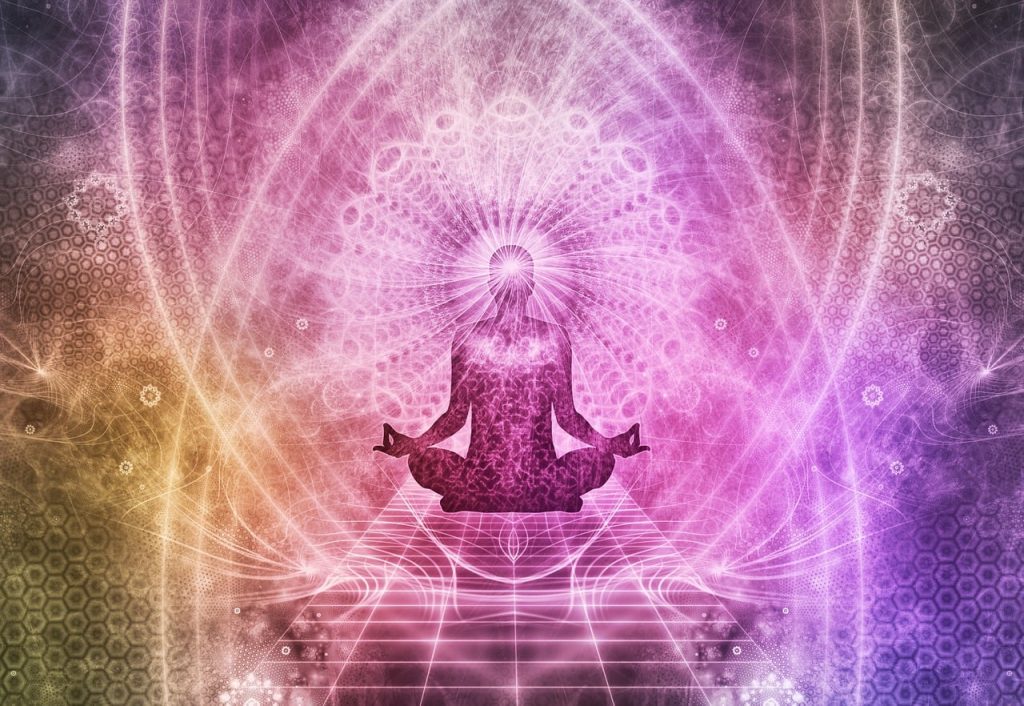
2. Meditation – Best For Mental Clarity
Meditation is a powerful tool for mental clarity and emotional stability. By focusing the mind and eliminating distractions, practitioners can achieve a heightened state of awareness and reduce stress effectively.
Key Features:
- Enhances focus and attention
- Promotes emotional well-being
- Can be done in short sessions
Pros:
- Improves emotional resilience
- Supports mindfulness in daily life
- Requires no special equipment or location
Cons:
- Can be difficult for beginners to settle the mind
- Requires practice to achieve deeper states
- Not all styles suit everyone
3. Tai Chi – Best For Balance and Coordination
Tai Chi is a gentle form of martial arts that is excellent for enhancing balance, coordination, and flexibility. With its flowing movements and emphasis on breathing, it’s especially beneficial for older adults.
Key Features:
- Improves balance and mobility
- Boosts mental tranquility
- Can be practiced indoors or outdoors
Pros:
- Low impact and suitable for all ages
- Promotes relaxation and reduces stress
- Encourages social connections in group settings
Cons:
- Can take time to learn the forms
- Requires consistent practice to see improvements
- May be hard to find local classes
4. Qigong – Best For Energy Flow
Qigong, an ancient Chinese practice, blends movement, meditation, and controlled breathing to cultivate and balance energy (qi). This practice offers remarkable benefits for stress reduction and overall vitality.
Key Features:
- Enhances energy and vitality
- Reduces tension and anxiety
- Improves mental focus
Pros:
- Accessible and easy to learn
- Can be practiced alone or in a group
- Great for people of all fitness levels
Cons:
- Variability in teaching quality
- May require patience to see notable benefits
- Less mainstream than other practices
5. Mindful Walking – Best For Active Meditation
Mindful walking incorporates conscious awareness into the act of walking, helping practitioners connect with their surroundings and reduce stress. It’s a simple yet effective practice that can be done anywhere.
Key Features:
- Improves mental clarity
- Encourages appreciation for nature
- Can boost physical fitness
Pros:
- No special training or equipment required
- Flexible and can be done anywhere
- Combines movement with mindfulness
Cons:
- May be easier in quiet environments
- Requires practice to build mindfulness
- Can be difficult in busy areas
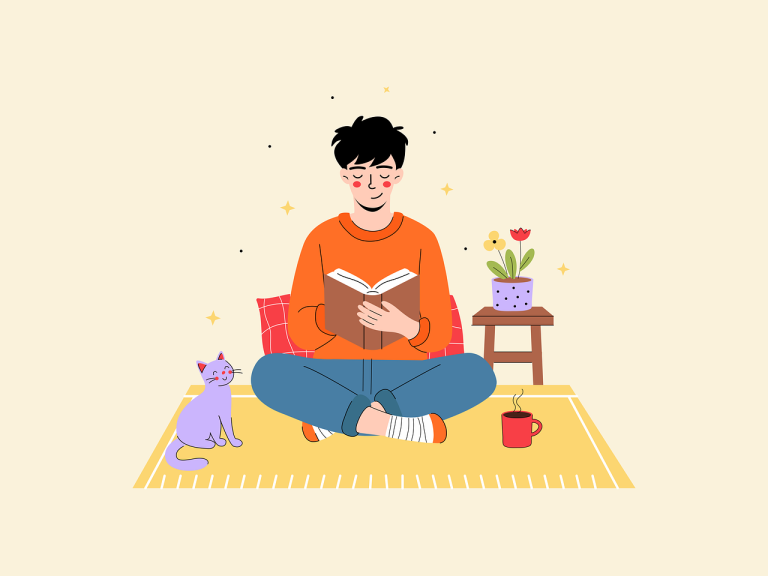
6. Journaling – Best For Emotional Expression
Journaling serves as a powerful tool for self-reflection and emotional expression, allowing individuals to process thoughts and feelings. This practice can enhance mental clarity and reduce anxiety.
Key Features:
- Fosters self-discovery
- Improves emotional health
- Encourages creativity
Pros:
- Low-cost or free practice
- Flexible timing and length
- Can help track personal growth
Cons:
- May feel daunting for beginners
- Consistency is key for benefits
- Finding the right format can be tricky
7. Breathwork – Best For Instant Relaxation
Breathwork encompasses various techniques focused on controlling breath patterns to enhance emotional, mental, and physical health. It can induce immediate relaxation and is perfect for stress-release on the go.
Key Features:
- Quick and effective stress relief
- Enhances lung capacity and oxygen flow
- Can improve focus and clarity
Pros:
- Can be practiced in any location
- Requires minimal time commitment
- Great for calming anxiety or panic attacks
Cons:
- May require guidance for some techniques
- Effects vary among individuals
- Doesn’t replace professional advice for serious conditions
8. Aromatherapy – Best For Mood Enhancement
Aromatherapy uses essential oils to promote emotional and physical well-being. By incorporating scent into your routine, you can help relieve stress, boost mood, and improve mental clarity.
Key Features:
- Supports relaxation and reduces stress
- Enhances mood through sensory experiences
- Can improve sleep and focus
Pros:
- Simple to incorporate into daily life
- Variety of scents to suit different preferences
- Can create a calming environment
Cons:
- Quality of oils can vary significantly
- Some may have allergies or sensitivities
- Requires storage and proper usage of oils
9. Pilates – Best For Core Strength
Pilates focuses on building core strength, flexibility, and overall body alignment. This practice is perfect for those looking to improve physical fitness while also enhancing their mind-body connection.
Key Features:
- Strengthens core muscles
- Improves posture and alignment
- Enhances overall body awareness
Pros:
- Low-impact, suitable for various fitness levels
- Encourages mindfulness throughout movements
- Can aid in rehabilitation and injury prevention
Cons:
- Requires proper guidance for best results
- Classes can be expensive
- May not deliver rapid results
10. Guided Imagery – Best For Deep Relaxation
Guided imagery uses visualization to promote relaxation, reduce stress, and inspire healing. This technique helps practitioners harness the power of their imagination for wellness.
Key Features:
- Induces deep relaxation
- Enhances creativity and problem-solving
- Can aid in pain management
Pros:
- Accessible through apps, videos, or classes
- No special skills required
- Highly customizable to individual needs
Cons:
- Can be challenging for those with busy minds
- Effectiveness varies by individual
- Requires a quiet space for best results
How to Choose the Right Mind-Body Practice for You
Choosing the right mind-body practice depends on your goals, preferences, and lifestyle. Consider factors such as the time you can commit, whether you prefer indoor or outdoor activities, and how comfortable you feel with different practices. Experiment with various techniques to discover what resonates with you and aligns best with your holistic health goals.
#MindBodyHealth #HolisticWellness #Meditation #Yoga #StressRelief #WellnessJourney #SelfCare #Mindfulness