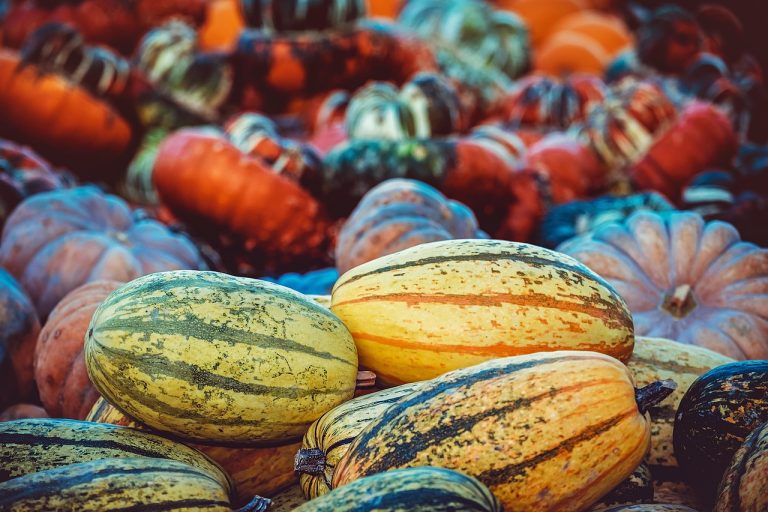


Eating seasonally not only benefits your health but also supports local farmers and reduces your carbon footprint. By embracing the natural shifts in food availability, you can nourish your body with the right nutrients at the right time. Ready to learn how to make your meals more aligned with the rhythms of nature? Let’s dive into the seven best ways to adapt your diet to the changing seasons!
1. Embrace Fresh, Seasonal Produce – Best For Nutritional Variety
One of the most significant benefits of seasonal eating is access to fresh produce at its peak flavor and nutrient density. By focusing on what’s in season, you can enhance your meals while getting the most nutrients possible.
Key Features:
- Higher nutrient levels
- Better taste and freshness
- Supports local agriculture
Pros:
- Variety of flavors and textures
- Improves overall health
- Encourages creativity in cooking
Cons:
- Limited availability outside the season
- Potentially higher costs for out-of-season products
- Requires more planning for meal prep
2. Incorporate Whole Grains – Best For Sustained Energy
As the seasons change, so do our energy needs. Whole grains provide a great source of slow-releasing energy, perfect for keeping you fueled throughout the day. Switching to seasonal whole grains can also diversify your diet.
Key Features:
- Rich in fiber and nutrients
- Helps regulate blood sugar
- Versatile for many dishes
Pros:
- Supports digestive health
- Available in various forms like rice, quinoa, and oats
- Can be sourced locally
Cons:
- Requires longer cooking times
- Some people may have gluten sensitivities
- Possibly less convenient than refined grains
3. Go for Local Proteins – Best For Supporting Sustainability
Incorporating local proteins, whether they’re plant-based or animal-based, helps you connect with the community and remain adaptable to seasonal changes. This approach also encourages sustainable farming practices.
Key Features:
- Fresher and often healthier options
- Supports local economies
- Less environmental impact from transportation
Pros:
- Encourages a strong local food network
- Promotes seasonally appropriate eating habits
- Allows for discovering new protein sources
Cons:
- Limited options depending on the season
- Can be more expensive than mass-produced proteins
- Requires hunting for local suppliers
4. Experiment with Seasonal Herbs and Spices – Best For Flavor Enhancement
Seasonal herbs and spices can elevate your meals and introduce new flavors that resonate with the time of year. Using fresh herbs not only enhances taste but also provides added health benefits.
Key Features:
- Boosts nutrient intake
- Adds diversity and flavor
- Enhances the aroma of dishes
Pros:
- Easy to grow at home
- Can be used in various cuisines
- Enhances overall culinary experience
Cons:
- May be less potent in winter months
- Some herbs might not be available year-round
- Requires knowledge of pairing flavors
5. Plan Your Meals Around Seasonal Events – Best For Building Community
Aligning your meal planning with local seasonal events and festivals creates a sense of community while celebrating what nature offers. This approach not only enriches your meals but also fosters connections with others.
Key Features:
- Encourages communal eating
- Supports local traditions
- Promotes awareness of seasonal availability
Pros:
- Enhances cultural experiences
- Shelters a sense of belonging
- Inspires new culinary ideas
Cons:
- Events may be sporadic or limited
- Can lead to overindulgence
- Requires effort to participate
6. Use Seasonal Preservation Techniques – Best For Long-Term Enjoyment
Preserving seasonal fruits and vegetables via canning, freezing, or drying allows you to enjoy them year-round. Marking the changing seasons through preservation makes for delicious additions to meals, no matter the time of year.
Key Features:
- Extends the shelf life of seasonal produce
- Retains nutritional value
- Allows creativity in preserving methods
Pros:
- Reduces food waste
- Provides a taste of seasons past
- Can save money in the long run
Cons:
- May need learning to master techniques
- Requires time and equipment
- Storage space can be a challenge
7. Tune into Your Body’s Needs – Best For Personal Health
As seasons change, so do our bodies’ nutritional requirements. Listening to your body and adapting your diet accordingly can lead to better health, immune function, and overall well-being.
Key Features:
- Personalized nutrition
- Supports mental and physical health
- Encourages mindfulness
Pros:
- Promotes better food relationships
- Helps identify food sensitivities
- Fosters healthier eating habits
Cons:
- Can be challenging to identify needs
- Requires inner awareness and reflection
- May lead to confusion about nutrition
How to Choose the Right Seasonal Foods
When aligning your diet with natural seasonal changes, consider factors like local availability, personal health requirements, and your culinary preferences. Visiting farmer’s markets will offer insights into what’s fresh and in season, and experimenting with different recipes will help broaden your palate.
#SeasonalEating #HealthyLiving #SustainableDiet #FreshProduce #MindfulEating #LocalFood #NutritionTips #FoodSeasonality